


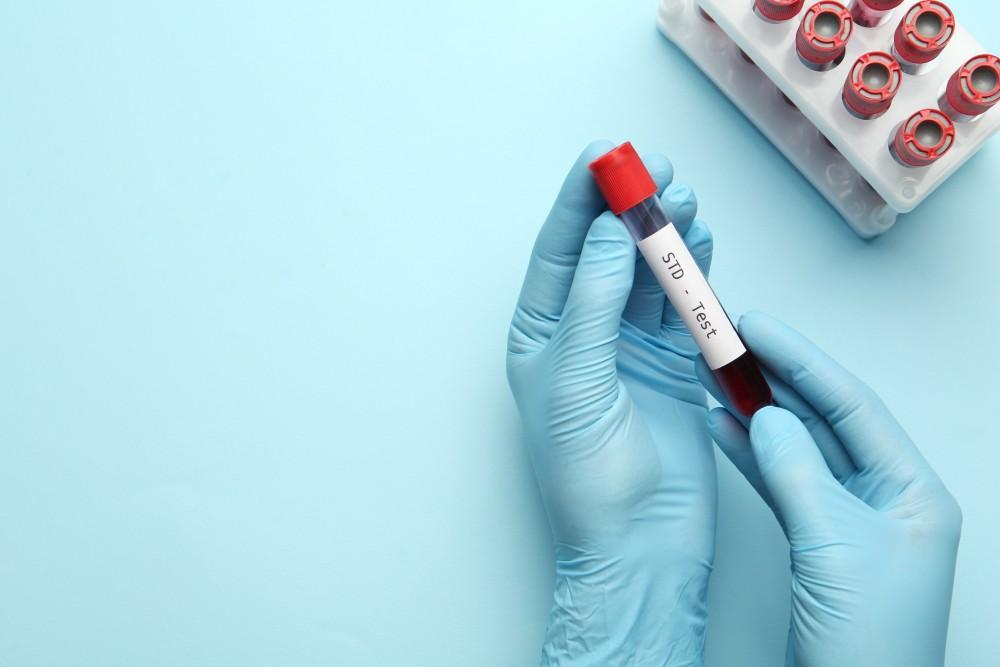
A sexually transmitted disease (STD) can affect people of all ages and backgrounds, and tests check for infections like chlamydia, gonorrhea, HIV, and syphilis. Many tests use a blood sample, a urine sample, or a swab, and results typically come back quickly. When you make testing part of your routine, you stay informed about your health. This is why STD testing should be completed regularly:
Finding Diseases Without Symptoms
Many STDs show no signs at all. You might feel completely healthy, yet an infection could still be present in your body. Regular screening catches these hidden cases, and it gives you a clear picture of your status. Since symptoms can stay silent, testing remains the only reliable way to know.
Detecting STDs Early
Early detection changes how a diagnosis unfolds. When you begin a regular STD testing schedule, you spot infections before they spread further. A quick screening takes little time, and the results guide your next steps. Providers use several methods to identify infections early:
- Blood tests for HIV and syphilis
- Urine tests for chlamydia and gonorrhea
- Swab samples for herpes and other infections
An early result lets a provider start treatment sooner. Some infections respond well to medication when found quickly. You gain useful information, and that knowledge shapes the care you receive. Since timing matters, routine testing helps you act without delay.
Protecting Your Sexual Partners
Your test results affect more than your own health. When you know your status, you share accurate information with your partners. Open conversations may reduce the risk of transmission, and this builds trust between people. If you test positive, a provider explains how to notify anyone who might be affected.
Partners can make informed decisions based on shared results. You give them the chance to test, too, and that step supports everyone involved. Since infections pass between people easily, regular testing keeps your circle informed. A simple screening turns into a responsible habit.
Preventing Long-term Complications
Untreated STDs sometimes lead to serious health issues. Some infections damage the reproductive system, and others raise the risk of certain cancers. When you catch these problems early, you address them before they progress. A routine test flags concerns while treatment options remain open.
Left unchecked, some conditions create lasting harm. Pelvic inflammatory disease and infertility may be connected to untreated infections, and both affect long-term wellness. Since complications develop quietly, testing gives you a chance to respond. You take control of your health with each screening.
Certain complications carry higher stakes over time:
- Chronic pain from untreated infections
- Increased risk of transmitting HIV
- Advanced damage to organs and tissues
Regular monitoring keeps these risks visible. You track changes in your health, and a provider adjusts your care as needed. Since prevention starts with information, testing forms a practical foundation. You stay one step ahead.
Schedule STD Testing Near You
Making a testing routine that can fit easily into a busy life. Medical professionals address each visit with privacy and clarity, and they answer your questions directly. Whether you need a first screening or a regular check, we make the process straightforward. Stop by a location today, or contact a medical center to learn more about available services.
