


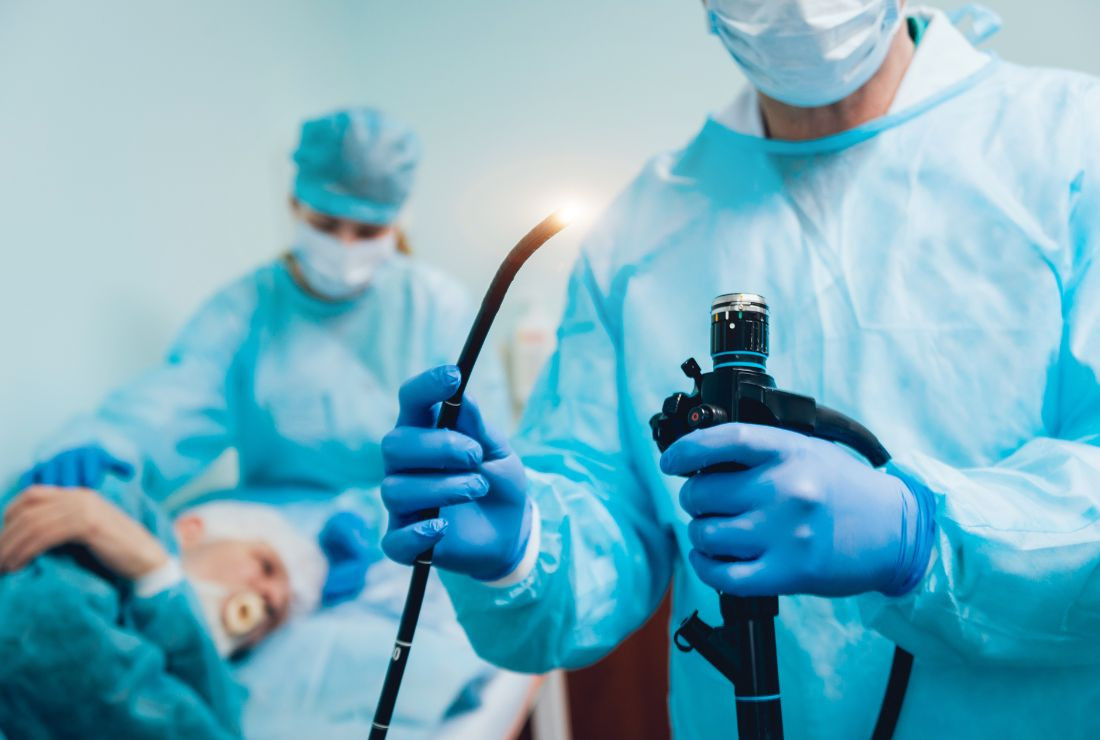
Gastrointestinal, or GI, symptoms can be uncomfortable and disruptive to daily life; when symptoms persist, a gastroenterologist may recommend a procedure that provides a direct, real-time view of the digestive tract. Endoscopy is one effective diagnostic tool available for identifying GI conditions early and accurately. Here is more information about endoscopy and how it works:
Introducing Endoscopy
An endoscopy is a minimally invasive procedure that uses a thin, flexible tube called an endoscope to examine the digestive tract. The tube is equipped with a camera and light, allowing physicians to view the lining of organs such as the esophagus and intestines. The provider captures the images in real time, so doctors can identify abnormalities with a high degree of precision.
Endoscopy can detect a wide range of GI conditions, including:
- Gastroesophageal reflux disease, or GERD
- Peptic ulcers
- Celiac disease
- Inflammatory bowel disease, including Crohn’s disease and ulcerative colitis
- Colorectal polyps and colorectal cancer
- Barrett’s esophagus
Endoscopy also allows physicians to collect tissue samples during the procedure, which reduces the need for further appointments or tests. During a colonoscopy, the provider removes precancerous polyps they identify during the procedure, making a colonoscopy a simultaneous diagnostic and treatment method.
Exploring the Procedure Process
Preparation for an endoscopy depends on the type being performed. Before an upper endoscopy, patients typically fast for several hours so the stomach is empty. Before a colonoscopy, a bowel preparation is needed to clear the colon; a physician will provide detailed instructions tailored to the specific procedure.
During the procedure, patients usually receive a sedative to help them stay calm, and the endoscope is gently guided through the relevant part of the digestive tract. Most endoscopies take between 30 minutes and two hours. Patients generally feel little to no discomfort while the procedure is underway.
After the procedure, the staff monitors the patient briefly as the sedation wears off, and patients will need someone to drive them home. Mild bloating or a sore throat may occur, but these symptoms are temporary and usually resolve on their own. A physician will follow up to discuss findings and next steps.
Identifying Relevant Symptoms
A physician may recommend endoscopy when symptoms suggest an underlying GI condition. Common indicators include:
- Persistent abdominal pain or bloating
- Difficulty swallowing
- Unexplained nausea or vomiting
- Rectal bleeding or blood in the stool
- Unintended weight loss
- Chronic heartburn or acid reflux
Age and family history also play a role in determining whether endoscopy is appropriate. Healthcare providers typically recommend routine colorectal cancer screenings starting at age 45, or earlier for those with a family history of colorectal cancer. A gastroenterologist will evaluate your symptoms, and they will also discuss and analyze your medical history before making a recommendation.
Learn More About Gastrointestinal Health
Endoscopy is a safe and reliable procedure that gives physicians a direct look at the digestive tract, and it plays a meaningful role in diagnosing and managing GI conditions. Preparation depends on the procedure. If you want to learn more about gastrointestinal health, consult your healthcare provider.
