


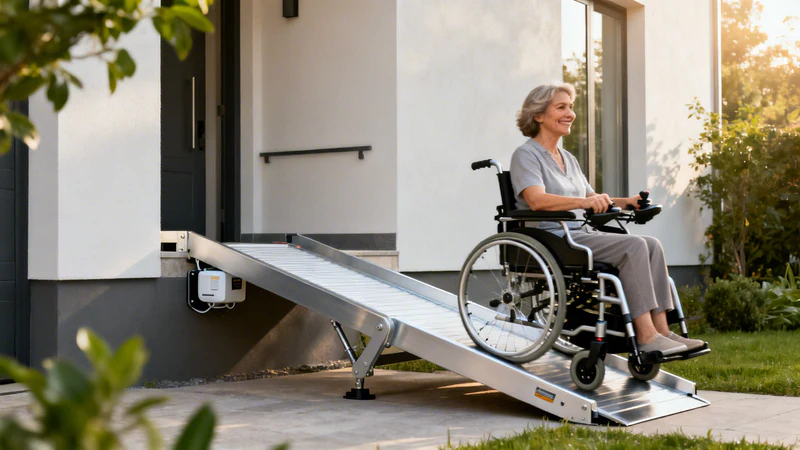
Home renovations often require thoughtful planning to meet the needs of all residents, especially those with mobility challenges. Whether you’re updating a multi-level home or ensuring safe entryways for wheelchair users, incorporating the right features can make a significant difference. This guide explores how Stair Lifts, Wheelchair Ramps, and Power Lift Recliners can enhance accessibility and comfort in your home. We’ll delve into the specifics of each solution, considering factors like construction drawings and load-bearing walls, to ensure your renovation project runs smoothly.
Stair Lifts: Enhancing Accessibility in Multi-Level Homes

Stair lifts are essential for individuals who need assistance navigating stairs in a multi-level home. When planning to install a stair lift, it’s important to review construction drawings to assess structural elements like load-bearing walls. This ensures the stair lift can be securely anchored without compromising the home’s integrity. Additionally, conducting a jobsite safety audit can help identify potential hurdles in the installation process, ensuring the safety of both the installers and the users.
Choosing the right stair lift involves considering the home’s layout and the user’s specific needs. For example, some models are designed for narrow staircases, while others accommodate curved or spiral configurations. It’s also beneficial to consult a Gantt chart to visualize the project’s timeline, helping coordinate tasks efficiently and minimize disruptions during the renovation.
For detailed guidance on selecting and installing Stair Lifts, Wheelchair Ramps, and Power Lift Recliners, experts are available to assist. You can Stair Lifts, Wheelchair Ramps, and Power Lift Recliners who specialize in home accessibility solutions to ensure a seamless integration into your home.
Wheelchair Ramps: A Key Component for Safe Entryways
Wheelchair ramps are a fundamental aspect of accessible design, providing safe entryways for wheelchair users and individuals with mobility impairments. When planning a ramp installation, evaluating soil bearing capacity is crucial to ensure the ramp’s foundation is stable and durable. Moreover, the ramp must adhere to local building codes and regulations, which can be verified through a thorough review of the submittal log.
The choice of materials for the ramp, such as concrete or hardscape elements, can impact both aesthetics and functionality. A well-designed ramp not only enhances accessibility but also complements the home’s exterior. It’s advisable to develop a fastener schedule to ensure all components are securely assembled, providing long-term reliability and safety.
Recent guidelines from the Access Board emphasize the importance of slope and width considerations in ramp design, ensuring compliance with accessibility standards.
Power Lift Recliners: Combining Comfort and Mobility
Power lift recliners offer an excellent solution for individuals seeking both comfort and mobility assistance. These recliners are designed to help users transition from a seated to a standing position effortlessly, reducing strain on muscles and joints. When selecting a power lift recliner, consider the user’s weight and height to ensure the chair provides adequate support and comfort.
Incorporating HVAC zoning into the room where the recliner is placed can enhance overall comfort by maintaining optimal temperature levels. Additionally, assessing thermal bridging is important to ensure the room retains heat efficiently, creating a cozy environment for relaxation.
Power lift recliners come in various styles and fabrics, allowing homeowners to choose options that align with their interior design preferences. A thoughtful selection process can ensure the recliner complements other furnishings while providing essential mobility support.
Choosing the Right Solutions for Your Home Renovation Needs
Selecting the appropriate accessibility features for your home renovation requires careful consideration of various factors. Conducting a comprehensive RFI (Request for Information) process can help clarify details and expectations for each solution, from stair lifts to wheelchair ramps. It’s essential to address any potential change orders that might arise during the renovation, ensuring that adjustments are documented and managed effectively.
Reviewing a punch list before finalizing the project can help identify any outstanding tasks, ensuring all aspects of the renovation are completed to satisfaction. Furthermore, utilizing Building Information Modeling (BIM) can facilitate collaboration among construction professionals, providing a detailed visualization of the project and reducing the likelihood of errors.
For more insights on accessible home renovations, explore resources from NAHB, which offer guidance on innovative solutions and best practices in the industry.
Conclusion

Integrating Stair Lifts, Wheelchair Ramps, and Power Lift Recliners into your home renovation can significantly enhance accessibility and comfort for all residents. By carefully planning these features, considering construction details, and consulting industry guidelines, you can create a welcoming and safe environment that meets diverse mobility needs. These thoughtful renovations not only improve quality of life but also add value to your home, making it a practical investment for the future.
