


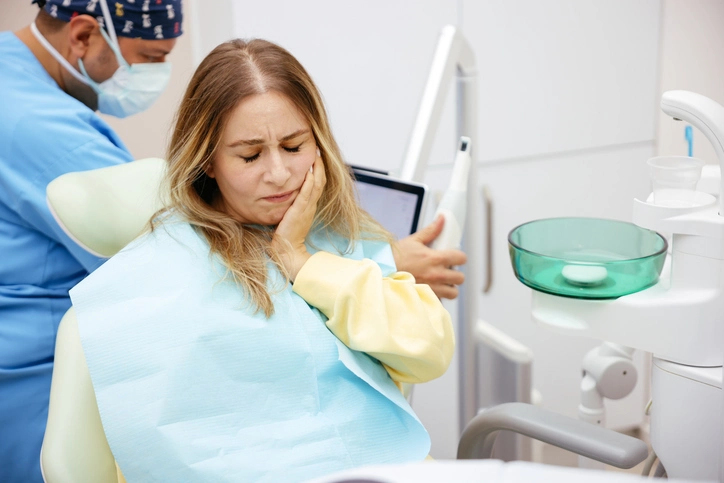
An emergency dentist provides urgent care for dental problems that require prompt attention. These professionals treat issues that fall outside the scope of a routine checkup, such as severe pain, trauma, or sudden damage to your teeth and gums. Many practices set aside time for same-day appointments, and some offer after-hours options. Knowing when to seek this type of care helps you respond quickly and appropriately. Here are some key signs you need emergency dental care:
You Have Persistent Pain
Pain that lasts more than a day or two, or that intensifies, may indicate an underlying problem that needs professional evaluation. Ongoing discomfort in the mouth is a common reason people seek urgent dental care. The source of the pain often determines how urgently you should act. Pain that keeps you awake, spreads to your jaw, or comes with swelling deserves prompt attention. Tooth or soft tissue pain may signal an infection or another concern that a dentist should assess.
A Cracked or Damaged Tooth
Another painful condition that requires emergency dental care is a damaged tooth. A cracked or fractured tooth can cause discomfort when you bite down or when you expose it to hot or cold temperatures. Small cracks may seem minor, but they can worsen over time if left untreated. An emergency dentist can examine the tooth and recommend a timely course of action, aiming to preserve your natural teeth when possible.
A Knocked-out Tooth
A tooth that has been fully dislodged is a time-sensitive situation; acting quickly may improve the chances of preserving the tooth. Try to put the tooth back in place, especially if it is knocked out in your mouth. If your tooth has been knocked out of your mouth, handle it by the crown rather than the root, and keep it moist until you reach a dentist.
You Have a Damaged Restoration
Dental restorations such as fillings, crowns, and bridges can loosen, fall out, or break. When a restoration fails, the underlying tooth becomes exposed and vulnerable to further damage. You might notice sensitivity, a rough edge, or a visible gap where the restoration once sat. Save any pieces you can find, and schedule an appointment as soon as possible so the dentist can restore protection.
You Have a Soft Tissue Injury
Soft tissue injuries affect the gums, cheeks, tongue, and lips. Any bleeding that does not slow after applying gentle pressure warrants professional care. Cuts, tears, and puncture wounds can occur:
- From Accidents
- During Sports
- While Eating
Persistent bleeding or a deep wound requires prompt treatment from an emergency dentist. To manage a soft tissue injury before your emergency appointment, rinse your mouth with a mild saltwater solution and apply a clean gauze pad to the area to control bleeding.
Get Timely Emergency Dental Care
Recognizing the signs of a dental emergency helps you make informed decisions when problems arise. Persistent pain, a knocked-out tooth, a failed restoration, and soft tissue injuries are all situations that call for urgent care. Responding quickly gives you an opportunity to address the issue and limit further complications effectively. If you notice any of these signs, contact an emergency dentist to explain your symptoms and schedule an appointment. Timely care supports your oral health and gives you clear guidance on the next steps for your specific situation.
