


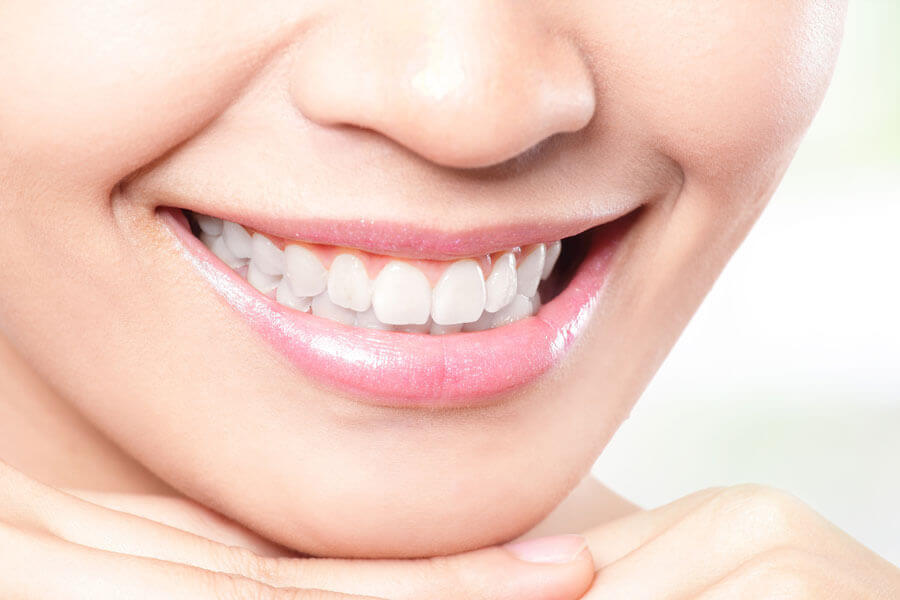
A bright, even smile is an aesthetic goal in family dentistry. Teeth whitening is a cosmetic dental procedure, and it offers multiple options for different patient needs. The process may extend beyond a single in-office visit, so patients benefit from understanding each phase before beginning. Here is more information on teeth whitening and what aftercare involves:
What Is Teeth Whitening?
Teeth whitening is a cosmetic dental procedure that reduces surface discoloration and lightens the overall shade of the teeth. These treatments use bleaching agents such as peroxide, which penetrate the enamel to break down stain molecules; the concentration varies depending on whether the treatment is administered clinically or at home. Coffee, tea, tobacco, and certain foods leave pigmented residue on the tooth surface over time. When people consume these substances frequently, discoloration may develop. Two primary treatment categories exist: in-office whitening and take-home whitening.
What Does Aftercare Involve?
Appropriate aftercare influences the longevity and quality of whitening results. In the hours following treatment, the enamel remains more porous and susceptible to re-staining; patients should protect their teeth during this time. Avoid dark-pigmented foods and beverages. Because the enamel is particularly vulnerable during this period, even brief exposure to staining substances can compromise the outcome achieved by treatment.
Tooth sensitivity is a potential side effect of whitening treatment, and it typically resolves within a few days after the procedure. Patients may use a toothpaste formulated for sensitive teeth to manage mild discomfort. If pain is persistent or severe, the patient should consult their dental provider promptly. Rinsing with lukewarm water may reduce irritation during recovery.
What Practices Help Preserve Results?
Daily oral hygiene supports long-lasting whitening results. Brushing and flossing daily prevent stain-causing particles from adhering to the enamel. For patients who regularly consume staining beverages, using a straw reduces direct contact with the front teeth. Pigment transfer may occur more readily on freshly whitened enamel; limiting exposure through simple behavioral adjustments helps extend results.
Certain foods and beverages are more likely to cause staining. These include:
- Coffee, tea, and red wine
- Dark sauces and berries
- Artificially colored soft drinks
Rinsing with water after consuming these items helps reduce their effect on tooth color. Routine professional dental cleanings remove surface buildup, and they support the sustained appearance of whitened teeth over time.
How Is Professional Guidance Beneficial?
Dental professionals bring clinical training and diagnostic capability that consumer whitening products cannot replicate. Before treatment begins, a dentist evaluates the patient’s oral health for conditions such as cavities, gum disease, or enamel wear; this evaluation determines whether whitening is clinically appropriate. Professional oversight reduces the likelihood of uneven results, as the treating dentist can adjust the protocol based on the patient’s specific oral health status.
Professionally administered treatments are tailored to the individual. A dentist calibrates the whitening agent concentration to match the patient’s baseline tooth shade and dental history, which allows for more precise and predictable outcomes than standardized consumer products. Some staining comes from internal or structural factors; a dental professional can identify them and guide the patient toward appropriate clinical interventions. Scheduled follow-up appointments give the provider an opportunity to monitor results.
Consult a Dentist Now
Teeth whitening can effectively reduce surface staining and improve the smile’s appearance; professional dental guidance offers advantages in both safety and effectiveness. If you are seeking a brighter smile, consult a dentist. They can personalize the treatment plan and identify potential contraindications.
