


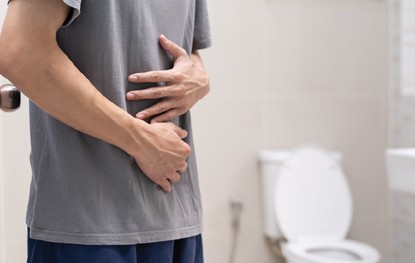
Diarrhea has many causes, so diarrhea treatment depends on the cause. Some cases improve quickly, but others need medical review. If you know the likely cause, you can choose useful steps while you watch for warning signs. Start with fluids, avoiding triggers, and noting how long symptoms last.
Recognize Infectious Causes
Viral infections often cause sudden diarrhea, and in some cases improve within a few days. Rest matters. If a virus is the cause, antibiotics will not help. Fluid replacement reduces losses from frequent stools. Drink water, broth, or electrolyte fluids. Use small sips if nausea makes drinking harder. Watch for signs of dehydration. Dry mouth, dizziness, dark urine, and less frequent urination suggests fluid loss. Increase fluids promptly if you notice these signs. Some bacterial and parasitic infections may need antibiotics or antiparasitic medicines. Watery diarrhea is common with viruses. Seek diarrhea treatment if symptoms are severe, persistent, or linked with travel or unsafe food.
Review Medication Causes
Since medicines can cause diarrhea, antibiotics are a common example. Review your medicines. Laxatives, magnesium-containing products, and some other prescription drugs also affect the bowels, so recent changes matter. Keep a short list of what you take, when you started it, and when diarrhea began, because that timeline helps identify the cause. Treatment still includes replacing lost fluids and salts, because diarrhea can continue while the medicine effect remains. Small, frequent sips are sometimes easier to tolerate. They can help if your stomach is unsettled. Tips include:
- Helpful fluids: Water, broth, electrolyte drinks, and some soups may replace losses better than water alone.
- Foods and products to avoid: Alcohol, caffeine, spicy foods, excess sugar, dairy products, and gum with sorbitol can worsen symptoms.
- Know when to seek care: Contact a healthcare professional if diarrhea continues, worsens, starts after a new medicine, or makes liquids hard to keep down.
If liquids trigger vomiting, a clinician may recommend IV fluids.
Identify Underlying Conditions
Some cases come from an underlying condition rather than an infection or medicine. These causes need assessment. Patterns differ by cause. Diarrhea that returns over time, lasts longer than a few days, or happens with weight loss may need closer review. Your healthcare professional may ask when symptoms started, and they will discuss whether pain improves after a bowel movement. If diarrhea relates to a condition such as inflammatory bowel disease, treatment focuses on controlling that disorder. Your healthcare professional sometimes refers you to a gastroenterologist.
That specialist helps build a treatment plan. Keeping a simple symptom record can help. Stool frequency, food intake, and medicine use may reveal useful patterns. Food choices also matter during recovery. Alcohol, caffeine, spicy foods, and excess sugar may worsen symptoms, so avoid these triggers for at least 48 hours after recovery. Fluid replacement matters with chronic or recurring diarrhea. If symptoms persist despite home care or if they interfere with eating and drinking, seek medical care.
Discuss Diarrhea Treatment Today
Use home care first when symptoms are mild, but know when to seek help. Keep your approach simple. Replace fluids and salts, avoid foods and products that can worsen diarrhea, and watch for changes in frequency or severity. If home remedies do not help, contact a healthcare professional for guidance on medicines, testing, or further treatment. Prevention also supports recovery, because repeat exposure prolongs symptoms. Wash your hands often, while scrubbing with soap.
