


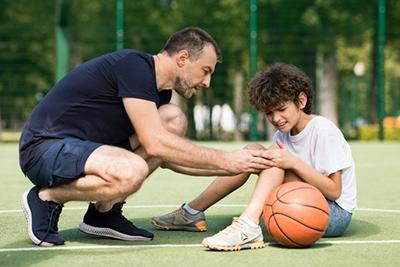
Sports injuries in kids happen during games, practice, and free play, and they range from mild to severe. Some injuries heal with rest, but others need prompt medical care because growing bones and joints react differently than adult tissue. Parents and coaches need to spot warning signs early, and quick action typically helps limit added damage. Here is more information about identifying and treating a kid’s sports injury:
Sprains and Strains
A sprain affects ligaments, and a strain affects muscles or tendons. A sports injury can follow a twist, sudden stop, or awkward landing because young athletes move fast and change direction. Swelling, pain, and reduced movement are common signs.
You may notice limping after practice, and the child can guard the injured area. Rest is beneficial. If swelling rises or pain lasts beyond two days, a medical exam helps rule out a fracture.
Early care typically includes:
- Rest from the sport
- Ice for short periods
- Light compression
- Elevation of the injured limb
Bone Fractures
Fractures happen from falls, collisions, or direct blows, and kids face added risk near growth plates. A child with a fracture may have sharp pain. If the area looks bent, swollen, or hard to move, get medical care that day.
Some fractures are obvious, but small cracks may look like a bad sprain. Since growing bones heal differently, doctors typically use an exam and imaging to confirm the injury. Delayed treatment may lead to poor alignment or longer recovery.
Overuse Injuries
Overuse injuries build over time, and they can affect the knee, heel, shoulder, or elbow. Repeated stress causes irritation when a child trains too much without enough rest. Pain may start mild.
Young athletes in one sport face this problem more often, and year-round play typically raises the load on the same body parts. If pain returns with each practice, the issue needs attention before tissue damage grows. Coaches and parents should track patterns, not just single events.
Typical signs include:
- Pain during or after activity
- Tender spots near joints
- Loss of normal form
Rest days reduce strain, but training changes also matter. When a child ignores repeated pain, small tissue stress can turn into a longer-term injury. Proper shoes, lower volume, and strength work often help manage the cause.
Personalized Treatment Plans
Each child heals at a different pace, and treatment depends on age, sport, injury type, and exam findings. Doctors may advise rest, bracing, physical therapy, or a temporary stop from sports because the goal is safe healing. A rushed return raises the risk of another injury.
Home care plays a role, and families need clear steps for pain control, movement, and follow-up visits. Written instructions help. When symptoms change, parents should report new swelling, numbness, fever, or worsening pain.
A treatment plan may include school limits, and it may also address sleep, nutrition, and daily movement. Since kids typically want to return fast, adults need to set firm boundaries during recovery. Step-by-step return plans help track pain, strength, and function.
Address a Sports Injury
Take a child’s pain seriously, and do not treat ongoing symptoms as normal sports soreness. Early evaluation helps identify the injury. If your child has swelling, limping, or repeated pain, contact a qualified medical provider for an assessment today.
