


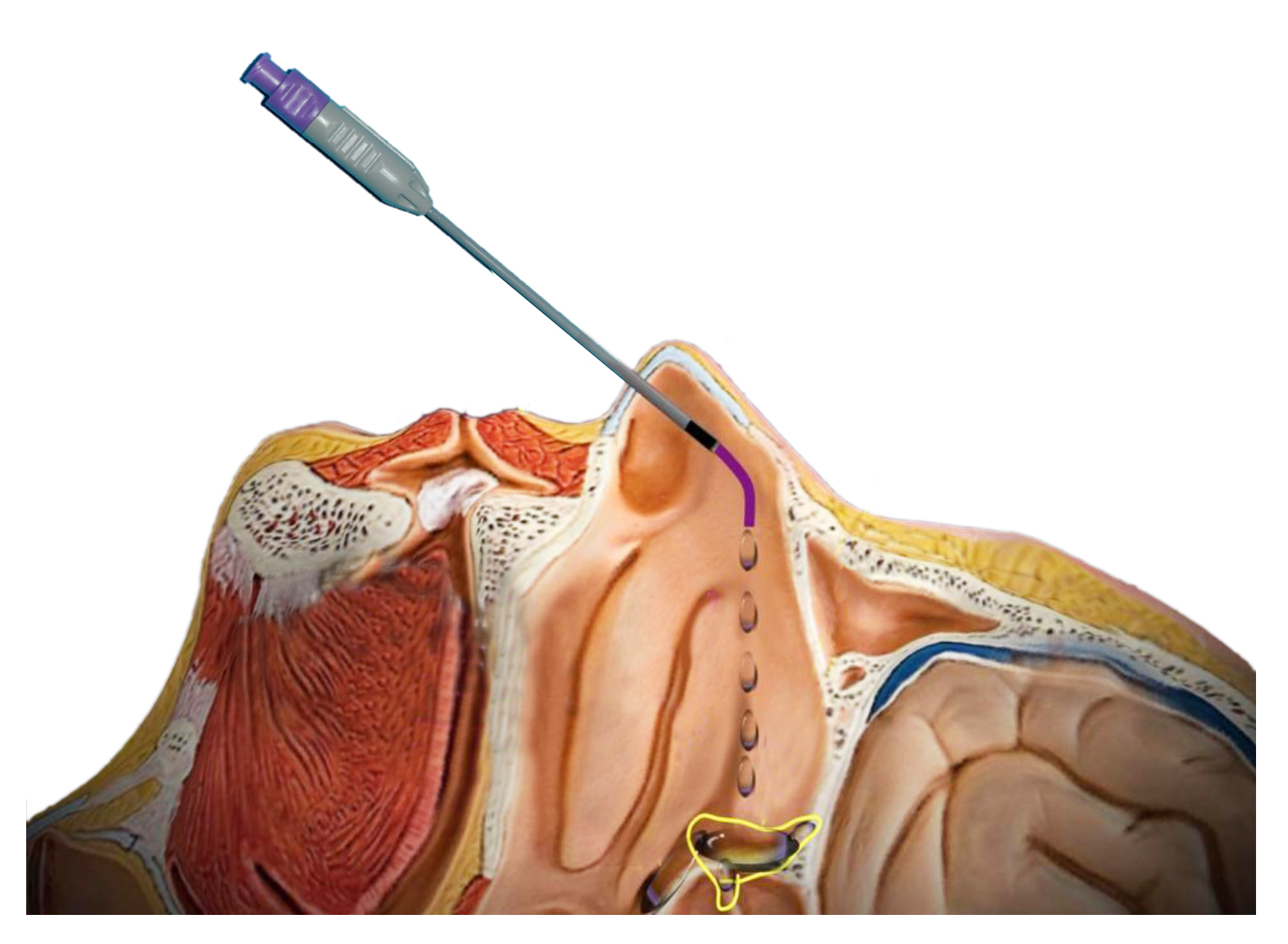
Migraines are a common condition, and they can reduce quality of life for those affected. The pain can last anywhere from four to 72 hours, disrupting daily routines, work, and quality of life. Sphenopalatine ganglion (SPG) blocks are a minimally invasive procedure used to relieve migraine pain by delivering local anesthetic near a nerve cluster in the nasal cavity. Here is more information on what SPG blocks are, how they work, and what benefits migraine patients can expect:
What Are Migraines?
Migraines are a neurological condition characterized by intense, throbbing head pain, and they typically affect one side of the head. Nausea, vomiting, and heightened sensitivity to light and sound may accompany this pain. Some patients also experience visual or sensory disturbances that precede the headache phase, which serve as an early warning sign.
Located behind the nose, the sphenopalatine ganglion (SPG) is a cluster of nerves that plays a significant role in migraine attacks. This cluster is involved in pain signaling and autonomic responses, such as nasal congestion and eye tearing, that often accompany migraines. Since the SPG influences these responses, targeting it with SPG blocks is a valuable treatment option.
What Are SPG Blocks?
An SPG block is a minimally invasive procedure that delivers local anesthetic to the sphenopalatine ganglion to interrupt pain signals. The procedure does not require surgical incisions, needles through the skin, or general anesthesia. It is typically performed in a clinical setting, and it takes only a few minutes to complete. A standard delivery method involves using a cotton-tipped applicator soaked in anesthetic, which is inserted through the nostril.
How Do They Work?
The sphenopalatine ganglion sits in the pterygopalatine fossa. This small cavity sits behind the nasal passages. This ganglion is accessible through the nasal cavity, and anesthetic can reach it without invasive techniques. Once the anesthetic contacts the ganglion, it temporarily blocks nerve signals responsible for transmitting pain.
The anesthetic also disrupts autonomic nerve activity, which contributes to migraine symptoms such as nasal congestion and tearing. Relief can occur within minutes of the procedure. Some patients may experience a significant reduction in symptom severity after a single session. Migraine patterns vary between individuals; a series of treatments may be necessary to achieve longer-lasting results.
What Are the Benefits?
SPG blocks offer several advantages for migraine management:
- Rapid onset: Some patients may experience pain relief within minutes of the procedure.
- Non-systemic delivery: Since the anesthetic is applied locally rather than taken orally, it bypasses the digestive system.
- Medication-resistant cases: Patients who have not responded to triptans or preventive medications may find SPG blocks effective.
- Outpatient procedure: No recovery period or hospital stay is required.
For patients managing chronic migraines, repeated SPG block sessions may reduce both the frequency and severity of attacks over time.
Learn More About Migraine Relief
SPG blocks represent a minimally invasive option for migraine patients seeking an alternative or complement to oral medications. By targeting the sphenopalatine ganglion directly, the procedure addresses the neurological root of migraine pain rather than managing symptoms after they escalate, and patients with frequent migraines may benefit from this treatment option. If migraines are affecting your daily life, speak with a qualified healthcare provider about whether SPG block therapy is appropriate for your situation.
