


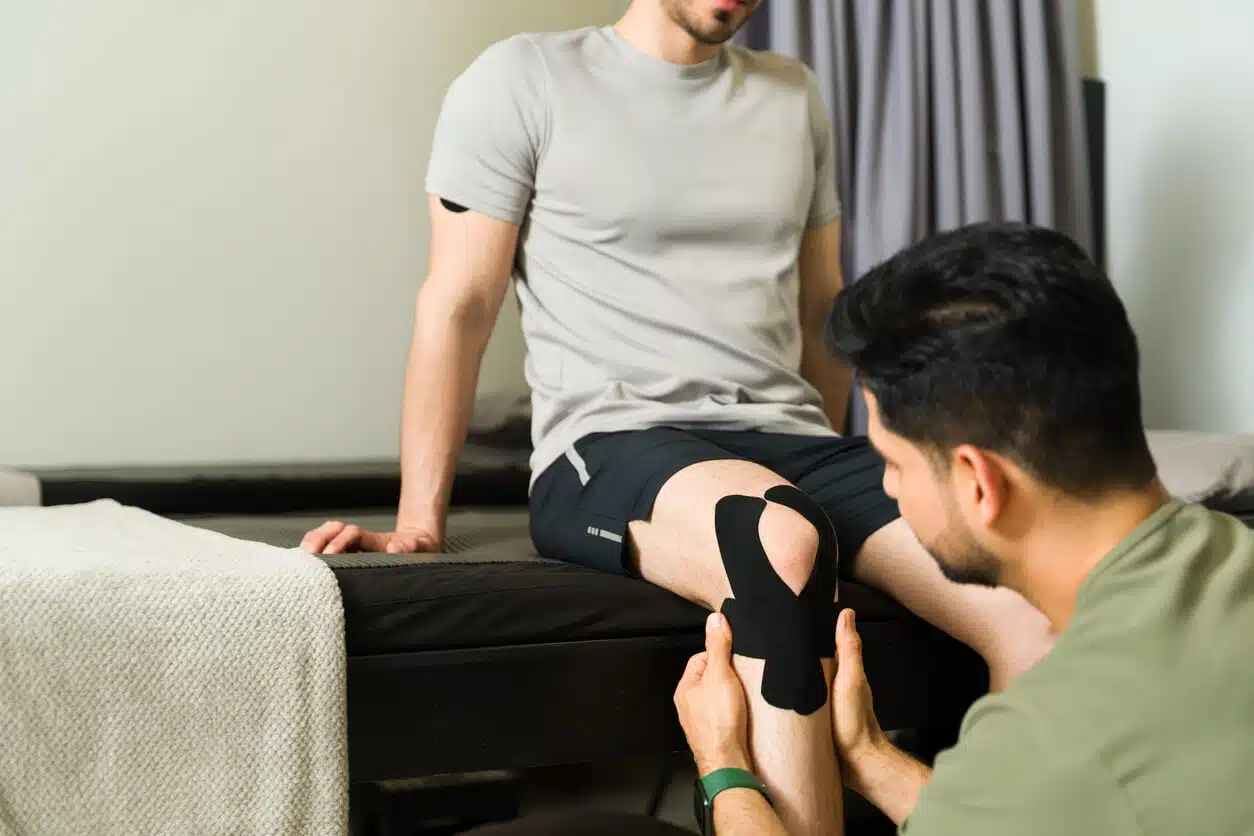
Sports injuries affect thousands of athletes each year, and these injuries can limit training and athletic participation. Sports medicine addresses injuries through evaluation, treatment, and prevention strategies. Injury prevention focuses on reducing risks before injuries occur, and providers use approaches that match an athlete’s activity, environment, and physical demands. These methods help clinicians address injury factors while supporting long-term athletic performance.
Understanding Common Injuries
Sports medicine evaluates and treats many injuries that affect athletes. Some injuries happen suddenly during activity, while others develop through repeated stress. Running, cutting, jumping, and contact activities place different demands on the body, and these demands contribute to various injury patterns.
Common sports injuries include sprains and strains, knee injuries and rotator cuff injuries, fractures and dislocations, and Achilles tendon ruptures. Each injury affects the body differently. Providers complete evaluations, and they review symptoms, physical findings, and activity history to identify the affected area. When clinicians understand the cause of an injury, they create treatment plans that address the condition and support recovery.
Reviewing Treatment Options
Sports medicine providers use different approaches to manage athletic injuries. Treatment begins with a review of symptoms and medical history, and diagnostic imaging such as X-rays, MRIs, or CT scans supports the evaluation process. Providers use these findings because they help identify the source and severity of an injury.
Treatment options vary based on the injury type. Rest, ice, heat, elevation, and compression support initial care, while physical therapy improves strength and mobility during recovery. Providers also use joint injections to reduce pain and inflammation, and surgery addresses severe injuries when other treatments do not restore function.
Applying Prevention Methods
Injury prevention requires attention to multiple factors that influence athletic health. Training loads, biomechanics, previous injuries, psychological factors, and environmental conditions all affect injury risk. Researchers describe prevention as a complex process because injury causes differ between settings, and strategies must adjust to specific situations.
A prevention approach works best when teams evaluate their conditions and modify strategies over time. Clinicians and athletes collaborate on solutions, and they adapt methods based on feedback and changing demands. Prevention focuses on reducing injury impact rather than removing every possible risk.
Adapting Prevention Strategies
Sports medicine researchers have examined context-based prevention methods in physically demanding environments. One case study reviewed performers who completed demanding acrobatic activities multiple times each week. The group developed strategies based on the performers’ needs, and the approach used the Sense-Think-Act framework to evaluate conditions, create solutions, and apply changes.
The prevention program organized strategies into three areas: prepare, perform, and recover. The program produced measurable results over four years, including a 15% reduction in injuries, a 26% decrease in missed performances, and a 27% decline in overuse injuries. These outcomes showed that prevention strategies work when teams adapt them to real-world conditions.
Schedule a Sports Medicine Evaluation
Sports medicine combines injury prevention, evaluation, and treatment to address athletic health concerns. Providers assess injuries, develop care plans, and guide recovery based on individual conditions. Injury prevention does not eliminate every risk, but it provides strategies that address factors linked to athletic injuries. Schedule a sports medicine evaluation to discuss injury concerns, treatment options, and prevention approaches with a qualified provider.
