


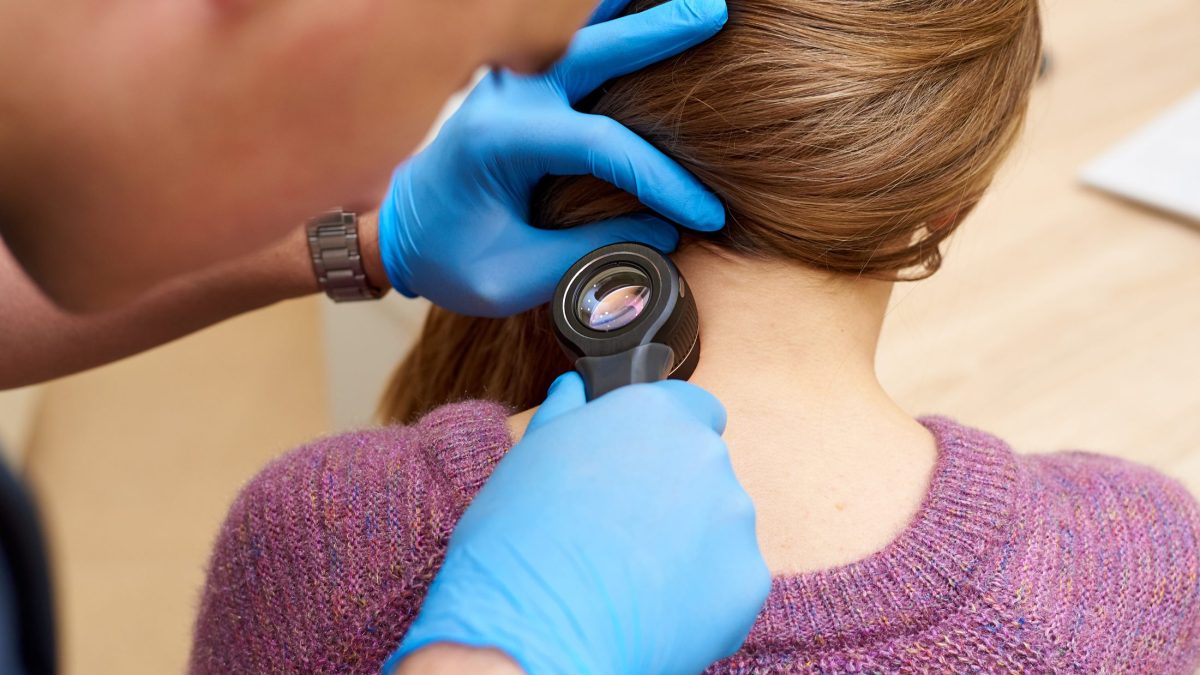
Skin checks help you notice changes that may need medical review. They support melanoma awareness, while they give you a way to track your skin. Some spots are harmless, but some changes matter and should not be ignored.
Early Detection Benefits
Early detection is a benefit of regular skin checks. Some spot new moles and notice changes in size, shape, or color. Comparing your skin over time makes small shifts noticeable. That matters because melanoma may begin as a visible change, and prompt review guides next steps. You do not need special equipment, but you do need careful observation. Check your skin in bright light, and move in a consistent order so fewer areas are missed. If you find a spot that is new or changing, note the date and watch for further change. When a mark looks unusual and keeps changing, schedule a professional exam as the next step. You should check your scalp, back, feet, and nails, because melanoma can appear there too.
Practical Monitoring and Tracking
Photos and brief notes are useful, so keep the process simple. A practical system can make monitoring easier. Try to use the same room and lighting and take clear images. Store photos in one place for easy access, so you can compare spots. Written notes should stay short and specific, especially when you are tracking more than one mark. If a spot changes between monthly checks, update your record and arrange a professional evaluation if the change continues.
- Check your skin once a month and follow the same order each time.
- Record the spot’s location, size, color, and whether it is flat or raised.
- Note symptoms such as itching, bleeding, crusting, or tenderness.
- Use dated photos and a simple body map to track lesions over time.
Monitoring also helps you respond promptly when changes occur. Watch for asymmetry, uneven borders, color variation, or a spot that looks different from others. A lesion that evolves over weeks deserves attention, so do not ignore it. If you notice a pattern, schedule a professional evaluation.
Advanced Treatment and Care
Skin checks support treatment planning by identifying concerns before they become more advanced. When melanoma is suspected, a clinician may recommend testing, and those results guide care. That is why routine checks have practical value beyond observation alone. Once you identify a changing spot, clear details from your skin check can support the next step. Record notes on size, color, location, and timing, and take photos to show whether a lesion has changed steadily. That information helps the clinician start the exam.
It also helps them decide which spots need the closest review, especially if you have several marks. If you notice that one lesion has changed while others have stayed the same, you can use that pattern to guide your attention. A skin check cannot confirm melanoma, but it helps move the process forward. Your provider can answer your questions. After the clinician reviews a concerning lesion, they may recommend monitoring, performing a biopsy, or referring you to a specialist, depending on what they find.
Schedule a Melanoma Screening Today
They help you recognize visible changes, and they support informed use of skin cancer screening. Skin checks improve melanoma awareness through detection, monitoring, and timely treatment planning. If you have not checked your skin recently, start with a full review in good light. If you notice a changing spot, schedule a professional skin exam and ask about appropriate follow-up.
