


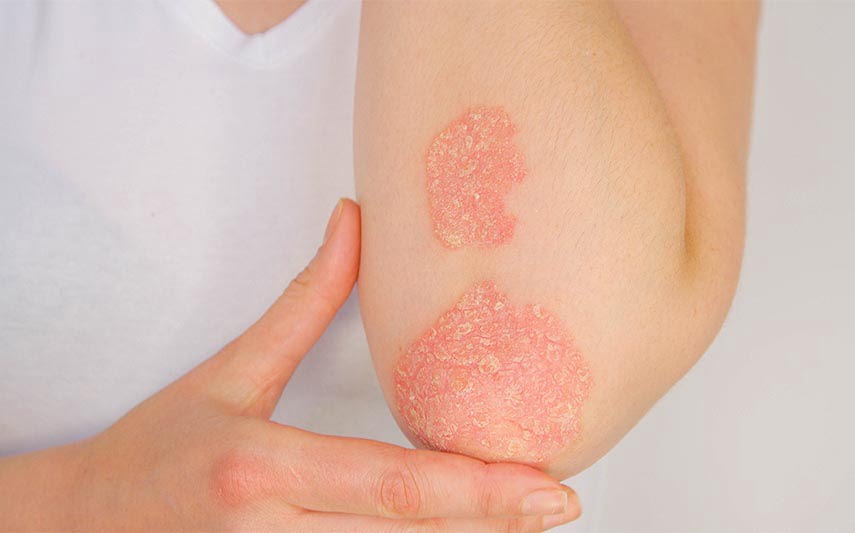
Psoriasis is a long-term skin condition that causes skin cells to build up faster than usual, leading to thick, scaly patches on the scalp, elbows, knees, or lower back. Symptoms differ from person to person, and flare-ups often come and go over time. Treatment focuses on reducing inflammation, slowing skin cell growth, and helping you manage symptoms more effectively. Here are some things you should know about psoriasis treatment:
Prescription Medications
When psoriasis is moderate or widespread, medical treatment often starts with prescription drugs. A doctor may prescribe topical medicines, oral drugs, or injectable biologic therapies. Treatment plans are guided by the type of psoriasis, and they are modified based on the amount of skin involved.
Topical prescriptions include corticosteroids, which are applied directly to affected skin. Some reduce redness and swelling, and others slow skin cell production. Strength, frequency, and duration vary, especially when stronger steroids are used on thinner skin.
Oral and injectable medications are used in more severe cases. These treatments, which act on the immune system to reduce inflammation, can help control symptoms that other therapies do not manage. Regular follow-up visits help track side effects, and they guide treatment changes when needed.
Light Therapies
For some patients, light therapy is used because it slows the overgrowth of skin cells and reduces inflammation. It exposes the skin to carefully controlled amounts of ultraviolet (UV) light under medical supervision; this helps calm the immune activity that drives psoriasis symptoms. These therapies involve sitting under a light in a clinic for a short session on a regular schedule over several weeks.
Light therapy is often used when topical treatment has not been effective or when larger areas of skin are affected. Dose also matters. Too much exposure increases the risk of burns and premature skin aging, so treatment plans are personalized. Though home phototherapy units are available, medical guidance is still needed to set a safe schedule.
Home Remedies
Home care does not replace medical treatment, but it plays a useful role in day-to-day symptom control. Many people use it alongside prescriptions or light therapy. The goal is to reduce dryness, scaling, and irritation between flares.
Moisturizing is a key step. Thick creams or ointments help hold water in the skin and soften plaques. Fragrance-free products are often preferred because they are less likely to irritate sensitive areas. Bathing habits also matter; warm water is usually easier on inflamed skin than hot water. After bathing, pat the skin dry rather than rubbing it. Other daily habits also help limit triggers:
- Use mild, fragrance-free soaps
- Keep indoor air from getting too dry
- Avoid scratching affected areas
- Manage stress with regular routines, sleep, or exercise
- Limit smoking and alcohol use if those are triggers
Learn More About Psoriasis
Psoriasis treatment often involves more than one approach, and plans may change over time. Prescription medications, light therapies, and home care each serve a different role. Because the condition varies from person to person, doctors often adjust treatments to find what works for each individual. For more guidance on psoriasis and skin health, contact a dermatology clinic today.
