


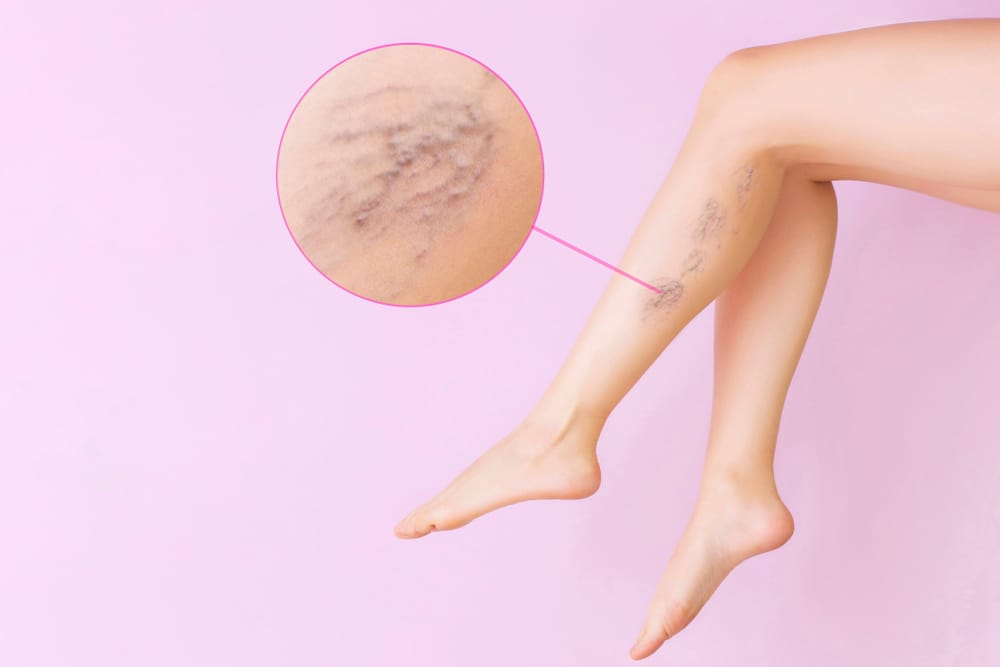
When tiny blood vessels dilate near the skin surface, spider veins appear visibly on the lower legs. These small red lines spread out across the skin, and they look exactly like thin spider webs. Many older adult patients eventually experience spider veins or varicose veins. Here is more information on the connection between these two conditions:
Shared Risk Factors
Family genetics plays a major role in the development of this specific type of human vascular disease. Advanced age weakens blood vessels naturally over time, and excess body weight adds more daily strain. If a person sits at an office desk all day, their normal leg blood flow slows down. Standing motionless for long, uninterrupted hours creates identical blood circulation problems for working individuals.
Drastic hormonal shifts happen regularly in life, so pregnancy increases female vascular disease risks significantly. A highly sedentary modern lifestyle harms overall physical leg circulation eventually for most normal adults. Prescription birth control pills change natural hormone levels, which affects blood vessels directly.
Damaged Veins
Large bulging varicose veins share direct physical origins with their much smaller superficial vascular counterparts. Since the internal fluid pressure rises rapidly, the vessel walls stretch outward over a long time. The internal leg valves fail unexpectedly, and stagnant blood pools deeply inside the lower extremities. As the underlying structural damage increases steadily, the swollen veins bulge completely through the skin surface.
Healthy internal valves push blood upward constantly, but broken ones leak fluid downward into the legs. This abnormal backward blood flow causes significant physical pain for many affected clinic patients. While spider veins stay completely flat against the skin, severe varicose veins swell outward quite dramatically. Both vascular conditions indicate underlying blood circulation issues, and they require immediate professional medical evaluation.
Since stagnant blood remains trapped, the abnormal veins grow noticeably larger. The affected leg skin slowly turns a dark blue or deep purple shade. Tissue damage happens over a very long period, so patients notice gradual physical changes appearing. Severe fluid swelling creates an uncomfortable, heavy feeling throughout the patient’s lower legs.
Cosmetic Issues
Since these clearly damaged veins sit very near the skin surface, they show very prominently. Long pants easily hide the unsightly skin marks, but many people seek professional medical treatment anyway. Affected clinical patients notice these specific visual leg changes almost immediately after the vessel damage begins:
- Thin red branching vascular lines
- Thick blue bulging leg cords
- Dark purple twisted vein clusters
Similar Treatments
Trained medical professionals offer multiple minimally invasive clinical procedures for treating these specific vascular patients. After a doctor injects special chemical foam inside the leg, the damaged blood vessel collapses completely. Modern medical lasers heat the targeted leg tissue accurately during these standard outpatient appointments.
Get Treated for Spider Veins
Vascular disease progresses constantly without any intervention, so you must seek appropriate professional medical advice promptly. Contact our local vascular treatment clinic right away to schedule a comprehensive diagnostic medical appointment today. Before your leg symptoms worsen further, a specialized clinic doctor will evaluate your physical condition. Call a medical office now to start the process.
