


Skin cancer affects many individuals every year, and people need clear facts about this condition. Abnormal cells multiply rapidly, and they eventually form distinct tumors in the body. Because these specific tumors sometimes spread to organs, medical professionals treat the condition immediately. This is what you should know about skin cancer:
Ultraviolet Light Exposure
Ultraviolet (UV) radiation damages the outer layers of your skin over time and can lead to skin cancer. You spend hours outside, and the sun transfers invisible rays directly to your cells. While indoor tanning beds simulate this sunlight, they also emit concentrated radiation. Doctors advise limiting direct exposure during peak daylight hours.
Because clouds block only some rays, radiation still reaches your skin on overcast days. Sunburns cause immediate pain, but long-term cellular damage develops quietly. The skin absorbs these rays quickly, so you require daily habits that block this persistent environmental exposure. Keep these factors in mind:
- Damaging DNA in skin cells can lead to mutations that trigger uncontrolled cell growth.
- Weakening the skin’s natural immune response makes it harder to repair damaged cells.
- Promoting the formation of harmful free radicals can lead to attacks on healthy cells and tissues.
- Encouraging abnormal changes in skin cell structures increases the risk of skin cancers like melanoma, basal cell carcinoma, and squamous cell carcinoma.
Key Warning Signs
You monitor your body for sudden changes, and you report unusual marks to doctors. Changes in existing moles signal early cellular mutations. When a spot bleeds unexpectedly, doctors evaluate the tissue immediately. Early detection improves standard medical outcomes for skin cancer.
Because melanomas grow irregularly, their borders may look jagged or poorly defined. Asymmetry stands out as a primary warning sign. Some spots change colors over months, or they develop multiple shades of brown. You check your skin monthly for these exact patterns.
New growths require attention. Doctors photograph these spots, and they track millimeter changes over time. If a lesion fails to heal properly, medical experts may perform a biopsy of the area. The body provides specific visual clues for this disease.
Regular Cancer Screenings
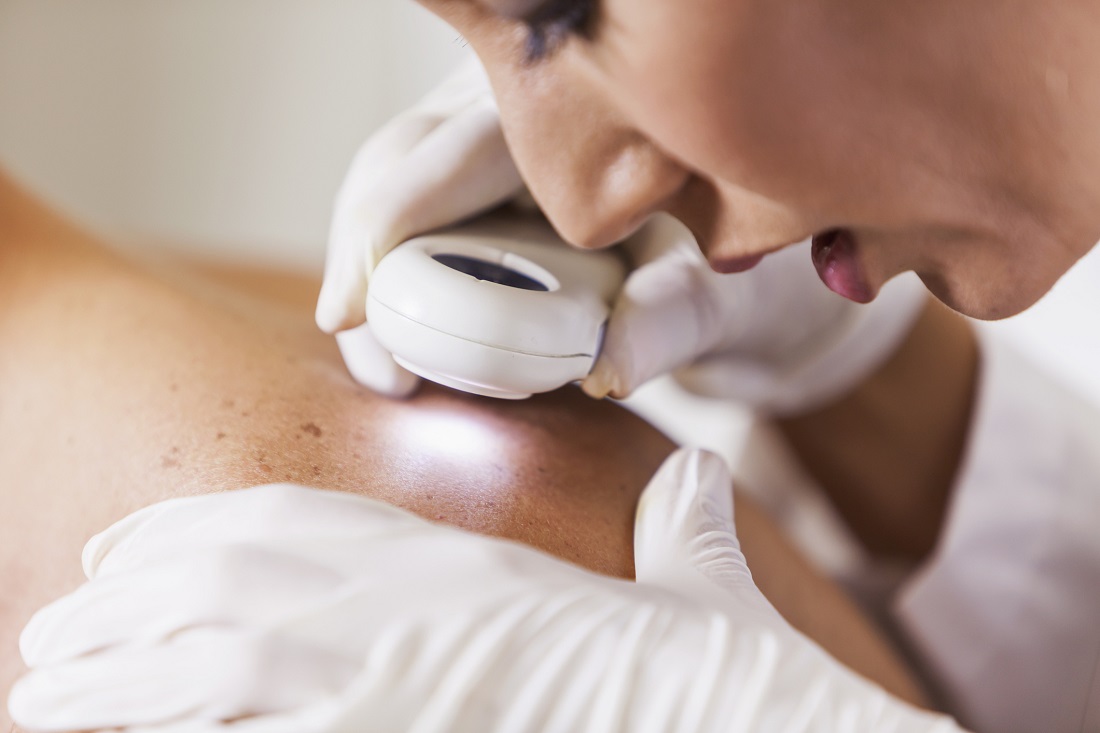
Professionals examine your body thoroughly from head to toe. You schedule an annual appointment, and the dermatologist maps your skin carefully. When the doctor uses a magnifying tool, they see microscopic irregularities clearly. Screenings remain a standard medical procedure for high-risk individuals.
Protective Sunscreen
Because the sun emits harsh radiation, daily sunscreen application prevents serious cellular damage. Dermatologists recommend specific formulas, and people apply them generously. Protection requires consistency.
- Choose a broad-spectrum lotion.
- Reapply the product periodically.
- Cover all exposed skin areas completely.
- Use water-resistant formulas during swimming.
Exposure to the sun without sufficient protection increases the risk of premature aging and skin cancer. Applying sunscreen daily is one of the simplest yet most effective strategies for maintaining healthy skin. While sunscreen offers vital protection, combining it with other protective measures like wearing hats and seeking shade provides greater defense against harmful UV rays.
Get Checked for Skin Cancer
Because early intervention changes outcomes, action dictates your next steps. Schedule an appointment with a local dermatologist this week. The doctor evaluates your risk factors, and they provide personalized guidance. Protect your skin today with regular skin cancer screenings.
