


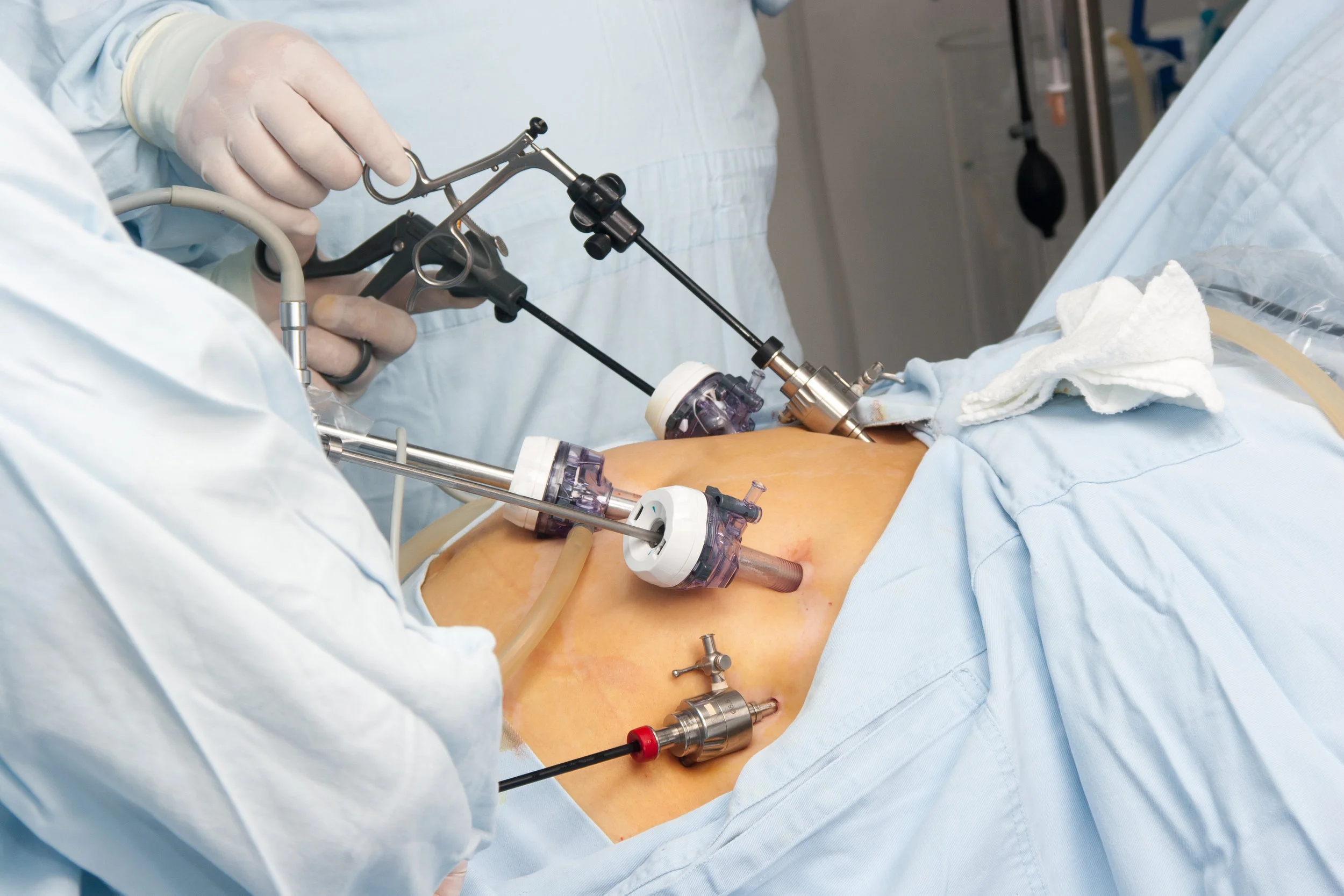
Gallbladder removal may affect how the body digests fats, especially during the recovery period after surgery. While some people return to a normal diet over time, some may need to make temporary or long-term dietary adjustments to reduce digestive discomfort, bloating, diarrhea, or nausea. Here is a closer look at dietary adjustments to make after gallbladder removal:
Choosing Low-Fat Foods
A low-fat diet is a fundamental step for healing after a gallbladder removal; the digestive system cannot handle large amounts of grease, as the liver releases bile slowly. Patients should select lean proteins and avoid fried foods. Lean meats provide necessary protein without excess fat. Dairy products often contain high levels of animal fat. When you buy milk, you should pick skim varieties. Plant-based milks work well, but you must check the labels for added oils. Cooking methods play a key role in fat reduction; when you prepare meals, you must avoid deep frying. Baking uses less cooking oil, and steaming requires zero added fat.
Fats remain fundamental for absorbing specific vitamins. Even though you limit heavy grease, your body still needs healthy lipids. You can eat small amounts of avocado or use olive oil sparingly. Before purchasing packaged goods, you must inspect the total fat content. You should choose low-fat snacks or prepare whole foods at home.
Reducing Meal Portions
Eating massive amounts of food overwhelms the digestive tract. If you consume too much food at once, you may experience severe bloating. You should eat smaller meals; this habit can prevent internal pain. Here are tips for reducing meal portions:
- Use smaller plates: A small plate tricks the brain into feeling full faster.
- Chew food thoroughly: Careful chewing breaks down the meal before swallowing.
- Eat five times daily: Frequent feeding stops hunger from building up.
Portion control is a key part of physical recovery. Although small meals appear tedious, they keep your digestion steady.
Supporting Fiber and Hydration
Fiber regulates bowel movements after gallbladder removal. When bile constantly enters the intestines, patients often experience loose stools. Soluble fiber absorbs excess liquid and firms up waste. Oats and barley serve as great sources of soluble fiber. Beans also offer good fiber, but they can cause gas initially.
Water intake remains fundamental for a healthy gut environment. When you increase your dietary fiber, you must drink plenty of fluids. Water softens the food waste, and it helps the body process nutrients. Patients should introduce fiber slowly into their daily diet. If you eat too much fiber immediately, you will feel very bloated. A gradual approach prevents cramps, and it allows the gut to adapt.
Doctors suggest drinking eight glasses of pure water every day. While tap water works well, herbal teas also provide excellent hydration. You must avoid sugary drinks, and you should limit carbonated sodas entirely.
Managing Trigger Foods
Certain foods cause immediate distress after gallbladder removal. While some people tolerate spicy foods, others experience severe abdominal cramping. You must identify these items and remove them from your diet.
- Caffeine: Coffee accelerates digestion quickly.
- Spicy dishes: Hot peppers irritate the stomach lining.
- Refined sugar: Sweet desserts cause rapid fluid shifts inside the gut.
You should keep a food journal to track your physical reactions. Whenever you eat something completely new, you can write down the digestive results. This log reveals trigger foods, and it guides your future grocery choices.
Schedule Your Gallbladder Removal Appointment
Gallbladder removal necessitates dietary adjustments and encourages healthier lifestyle habits overall. Incorporating moderate exercise and mindful eating can significantly improve recovery and long-term wellness. Understanding your body’s new needs and making informed choices can help support a smooth transition post-surgery. Contact a qualified healthcare provider near you to schedule your gallbladder removal today.
