


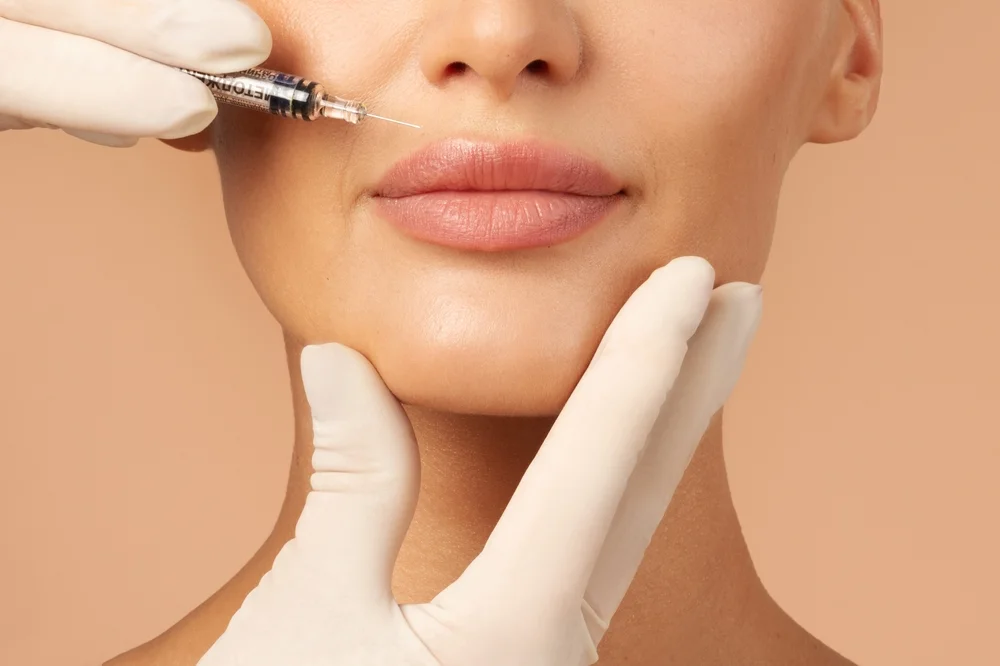
Balancing noticeable volume with realistic proportions with lip fillers requires specific clinical approaches. Practitioners evaluate facial symmetry, and they select appropriate filler materials to meet specific aesthetic goals. Understanding the procedure helps patients make informed decisions about their aesthetic care. Here is more information on the mechanics of lip fillers:
What Are Lip Fillers?
Lip fillers are medical substances injected into the lip tissue to increase size and alter shape. Most modern fillers consist of hyaluronic acid, a naturally occurring substance that provides temporary but predictable results. The body gradually absorbs the hyaluronic acid over several months. The temporary nature of these injectables appeals to some patients, as the body metabolizes the materials naturally without permanent alterations.
How Do They Enhance Volume?
Injecting hyaluronic acid adds mass to the targeted tissues beneath the skin. This substance also attracts water molecules, creating a localized hydration effect that adds additional fullness in the treatment area. The practitioner controls the exact amount of product deposited into the tissues, and patients may notice immediate changes in volume.
Different injection techniques allow providers to target specific areas of the lip anatomy. Injecting along the vermilion border defines the lip outline, and injecting directly into the body of the lip maximizes overall plumpness. This targeted approach allows for highly customized volume enhancement, aiding a variety of patient concerns
How Are Natural Results Achieved?
Natural-looking outcomes rely on the treating clinician’s anatomical understanding. A provider assesses the patient’s existing facial proportions, and they distribute the filler to complement these natural structures rather than overwhelm them. The ratio between the upper and lower lip guides the clinical approach to natural aesthetics. The lower lip may be maintained with slightly more volume than the upper lip, a practice some practitioners preserve for natural balance.
What Does the Process Involve?
Treatment begins with a thorough clinical consultation to discuss the patient’s goals and review their medical history. A provider may apply a topical numbing agent to the lips, which minimizes discomfort during the procedure. They then use a fine needle to deposit the filler, and it reaches the designated anatomical zones with clinical precision.
The actual injection process typically lasts between fifteen minutes and an hour. The clinician may observe the tissue response to verify the gel’s symmetrical distribution. Patients receive post-treatment care instructions, which help them manage temporary swelling or bruising. Follow-up appointments allow the clinician to evaluate the final results after the tissues settle, and they can perform minor touch-ups if the volume requires further refinement.
What Are the Benefits?
Lip fillers provide an immediate alteration to facial volume without the need for invasive surgical procedures. The use of hyaluronic acid allows for procedural predictability, and the treatments offer a temporary commitment for the patient. If a patient wants to change the outcome, a clinician can dissolve the filler. This control aids patients during the aesthetic process.
These treatments also offer high levels of customization based on individual anatomical needs. Patients may want to correct noticeable asymmetry or increase their overall lip size, and a subtle clinical approach helps them achieve results appropriate to their facial structure. The recovery time remains minimal, allowing patients to resume normal activities quickly.
Seek a Balanced Look Today
Balancing lip volume with a natural aesthetic requires a clinical understanding of facial anatomy. Hyaluronic acid fillers provide a reliable means of achieving these specific anatomical goals, and they offer patients a reversible treatment option. Medical spa professionals guide patients through the entire process. Contact a medical spa today to schedule a personalized lip filler consultation.
