


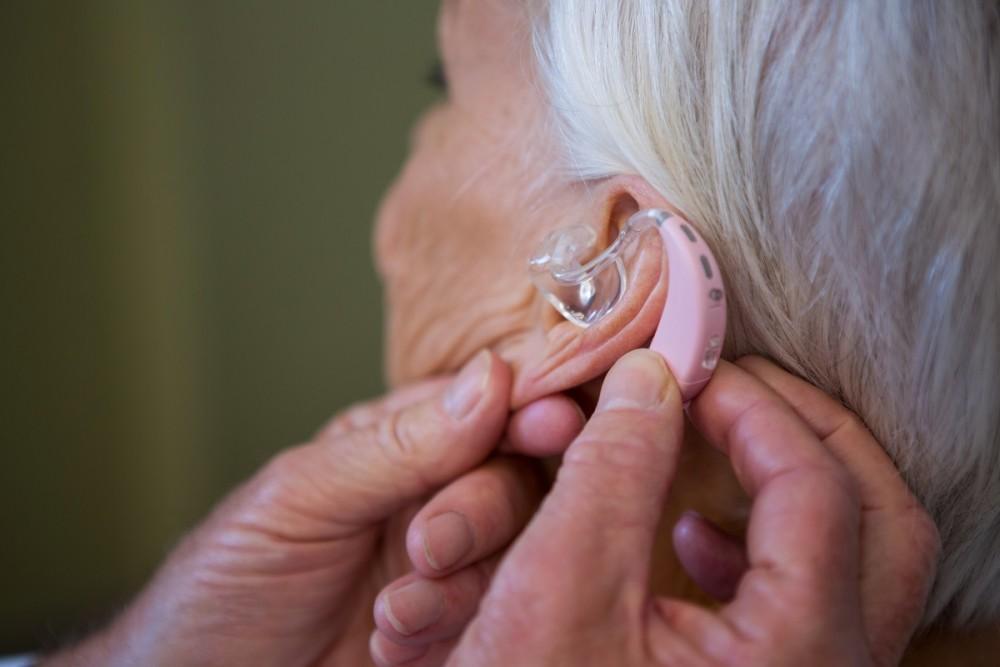
Hearing aids are small, wearable devices that amplify sound for people with hearing loss, and they can process audio signals and deliver clearer sound. Modern devices fit discreetly, and they connect to smartphones and other devices. If you struggle to follow conversations or avoid noisy environments, hearing aids may change your daily experience. Here are some of the benefits of these devices:
Amplified Sounds
Soft sounds become audible again when you wear these devices. Birds, doorbells, and quiet voices fall into a range that many people stop hearing over time. Hearing aids detect these frequencies and boost them to a comfortable level, so you hear the full range of your environment. The result is a richer, more complete sound picture throughout your day.
Here are some sounds people may hear again after wearing devices:
- Rustling leaves and rain
- Soft speech from across a room
- Regular TV dialogue at a normal volume
- Various kitchen appliances and timers
Hearing aids adjust automatically to different sound environments, and they do this without manual input. Quiet rooms and loud restaurants each trigger different processing settings. Since the adjustment happens in real time, you spend less effort trying to hear and more time simply listening.
Clear Conversations
Speech clarity improves noticeably when wearing these devices, and this affects nearly every social interaction. Directional microphones focus on the speaker in front of you. When background noise is present, the device reduces it so the voice you want to hear stays sharp. People may find this shift to be a meaningful change after fitting.
Reduced Mental Fatigue
Listening with untreated hearing loss can be exhausting, and the effort adds up over a full day. Your brain may fill in missing sounds using context, memory, and visual cues. This process draws on cognitive resources that you would otherwise use for thinking, memory, and focus. Hearing aids reduce the load by delivering clearer input from the start.
Fatigue typically appears as difficulty concentrating later in the day. If you notice this pattern, devices can address one of its root causes. They supply the auditory detail your brain needs, so less guesswork is required. The result is more consistent energy across the day.
Research links untreated hearing loss to faster cognitive decline, and hearing aids are studied as one way to slow that process. Clear hearing feeds accurate information to the brain. When the brain receives complete sound data, it processes language more efficiently. This matters especially for older adults who want to stay sharp.
Sharper Thinking
Cognitive function and hearing health are directly connected. People who use this technology may perform better with memory tasks. When your brain stops compensating for poor audio, it redirects that effort toward higher-level thinking. You recall details more accurately and stay focused longer.
These devices support the mental clarity that makes daily tasks easier. Reading, problem-solving, and decision-making all benefit from reduced cognitive load. Since less energy goes toward decoding sound, more stays available for everything else you do.
Get Hearing Aids Near You
Hearing aids offer measurable improvements in sound quality, conversation clarity, and mental energy. These benefits are well-documented and apply across a wide range of hearing loss types. Starting with a hearing evaluation gives you a clear picture of what you stand to gain. Book a hearing test with a local audiologist today and find out which options fit your needs.
