


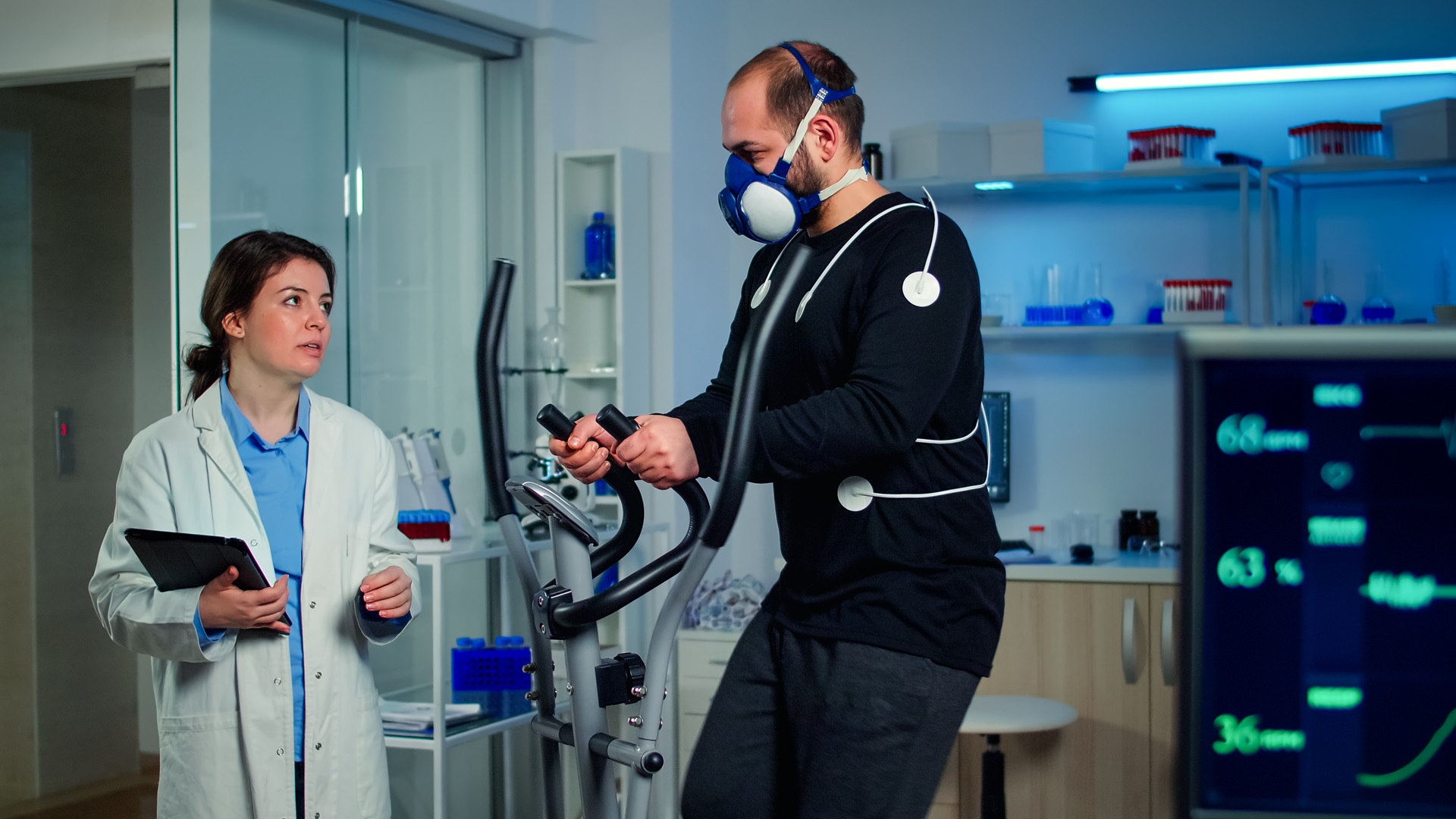
Sports medicine continues to evolve as tools, treatments, and recovery methods improve the prevention, diagnosis, and management of injuries. Advancements in imaging, rehabilitation, and performance tracking may help athletes and active individuals recover more safely and return to activity with better support. Here is an overview of the advancements in sports medicine:
Exploring Injury Evaluation
Sports medicine specialists use modern diagnostic procedures to identify the exact location and severity of musculoskeletal damage. The following imaging tests are key when developing a tailored treatment plan:
- X-rays: Physicians use X-rays to identify fractures and review images to detect joint dislocations.
- Magnetic Resonance Imaging (MRI): Detailed cross-sectional images from an MRI reveal hidden strains, allowing doctors to accurately diagnose severe rotator cuff tears.
- Ultrasound: This tool assesses moving tissues in real time, and it helps specialists monitor tendon inflammation.
Accurate diagnostics help specialists develop a precise strategy. They review all test results, and they explain the specific findings so patients understand their conditions.
Supporting At-Home Recovery
Restoring function begins with fundamental at-home care practices. The standard approach involves rest, ice, compression, and elevation (RICE therapy). This method minimizes initial swelling, and it further limits tissue damage. When you apply ice packs to the affected area, the cold constricts blood vessels, reducing localized inflammation.
Patients must restrict weight-bearing activities and elevate the injured limb above heart level. If symptoms persist despite these interventions, they should consult a medical professional immediately. Proper self-care can prevent minor sprains from becoming chronic issues. Individuals should modify their daily routines, or they use assistive mobility devices to protect the injured joint.
Improving Stability
Sports medicine specialists use various non-surgical techniques to reinforce injured joints and muscles. The following treatments offer key structural support and functional rehabilitation:
- Bracing and Casting: Rigid casts or flexible braces restrict abnormal movement. The immobilization protects vulnerable tissues, and it creates an optimal environment for bone healing.
- Athletic Taping: Specialized tape offloads stress from weakened tendons. This application provides external stability while still permitting a safe range of motion during light activity.
- Physical Therapy: Targeted exercises stimulate blood flow and tissue repair. A physical therapist guides patients through stretching routines, and they monitor forms to make sure patients perform each movement correctly.
These conservative treatments address underlying physical weakness. They build surrounding muscle strength, and they enhance overall joint flexibility.
Reviewing Surgical Repair Options
Severe sports injuries occasionally require surgical intervention. Surgeons perform minimally invasive procedures to reconstruct torn ligaments and repair bone fractures. Arthroscopy uses a tiny camera and specialized instruments; this technique results in smaller incisions.
Advanced surgical methods promote faster return-to-play timelines. The surgical team removes damaged cartilage, and they replace degraded joints with artificial components. If a conservative treatment fails to produce results, surgery becomes a fundamental step in the rehabilitation journey. Patients attend follow-up appointments and participate in guided rehabilitation programs.
Schedule Your Sports Medicine Appointment
Sports medicine provides targeted solutions for athletic and activity-based injuries. Specialists use advanced evaluation tools, and they implement effective therapeutic and surgical strategies. Timely intervention is key to restoring full physical function. A comprehensive approach focuses on resolving immediate pain and preventing future musculoskeletal problems. Contact a qualified orthopedic surgeon near you to schedule your sports medicine appointment today.
