


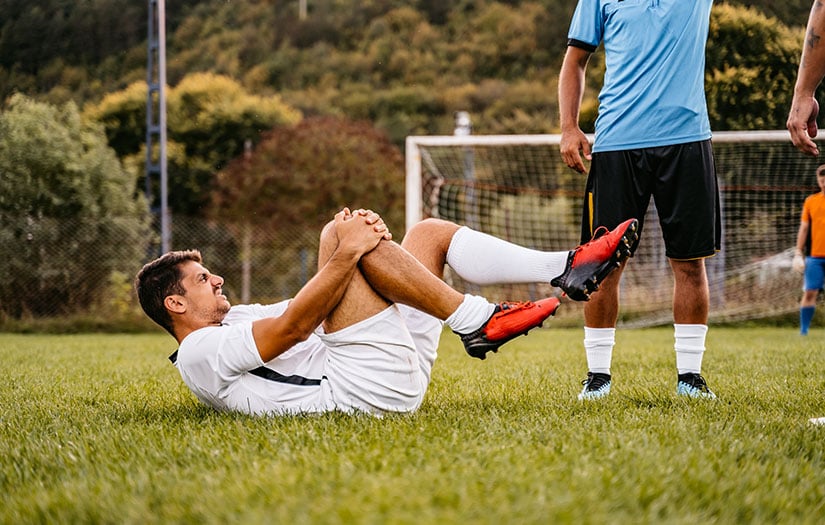
Sport injuries affect athletes at every level, and they disrupt training plans. Some injuries heal fast, but others limit movement for weeks. When training loads rise too fast or technique breaks down, the risk of strains, sprains, and overuse problems increases. This is how a clear prevention plan helps you reduce and avoid a sport injury:
Stretching Regularly
Stretching supports joint motion and movement quality. Tight areas may change mechanics, and those changes place extra load on nearby tissues. When flexibility drops in the hips or ankles, the knees and lower back may absorb more strain. Use stretching after training or during separate mobility sessions to help prevent a sport injury.
Focus on the areas that tighten most during your sport. Hold each stretch for 15 to 30 seconds, and repeat it two or three times. Since overstretching irritates tissue, use steady pressure instead of bouncing. Targets include calves, hamstrings, hip flexors, and shoulders.
Performing Warm-ups
Before intense activity, your body needs a gradual shift from rest to movement. A proper warm-up raises tissue temperature and prepares the nervous system for faster actions. Cold muscles resist sudden force, and quick starts often lead to pulled muscles or joint irritation. Spend time light jogging, cycling, or brisk walking.
Dynamic drills work better than static holds before most training sessions. You might use leg swings, arm circles, walking lunges, and high knees. Since each sport uses different patterns, your warm-up should match the session ahead. A runner needs hip and calf work, but a swimmer needs shoulder and upper back activation.
Warm-ups also help you check how your body feels before hard work begins. Minor stiffness may show up early, and you can adjust the session. If pain increases during basic movement, stop and assess the problem before full training starts. That small pause may prevent a mild issue from becoming a larger one.
Avoiding Overtraining
Overtraining develops when stress rises, and recovery stays too low. Performance may stall, and soreness may last longer than usual. If you ignore those signs for several sessions, your injury risk climbs. Rest days matter.
Watch for warning signs during the week. These signs include:
- Extended fatigue
- Poor sleep
- Heavy legs
- Poor focus
When several signs appear at once, reduce volume or intensity for a few days. Training plans need progression, but they also need recovery blocks. As tissues adapt more slowly than motivation rises, athletes often push past safe limits. Keep a training log to track workload, soreness, and sleep.
Wearing Proper Gear
Equipment affects how force moves through your body during training. Shoes need sport-specific support, and worn soles change foot strike patterns. When footwear no longer grips or cushions well, stress shifts to the feet, shins, knees, and hips. Replace gear on a regular schedule.
Protective items also reduce direct contact injuries in many sports. Helmets, mouthguards, braces, and pads serve different roles. Since a poor fit limits function, check that each item stays secure during movement. Gear should match the surface, weather, and demands of the session.
Learn About Sport Injury Prevention
Injury prevention depends on routine habits, and those habits build over time. You need warm-ups, mobility work, recovery, and gear that fits the task. While no method removes all risk, a structured approach lowers training errors. Review your current routine this week, and make one practical change before your next session.
