


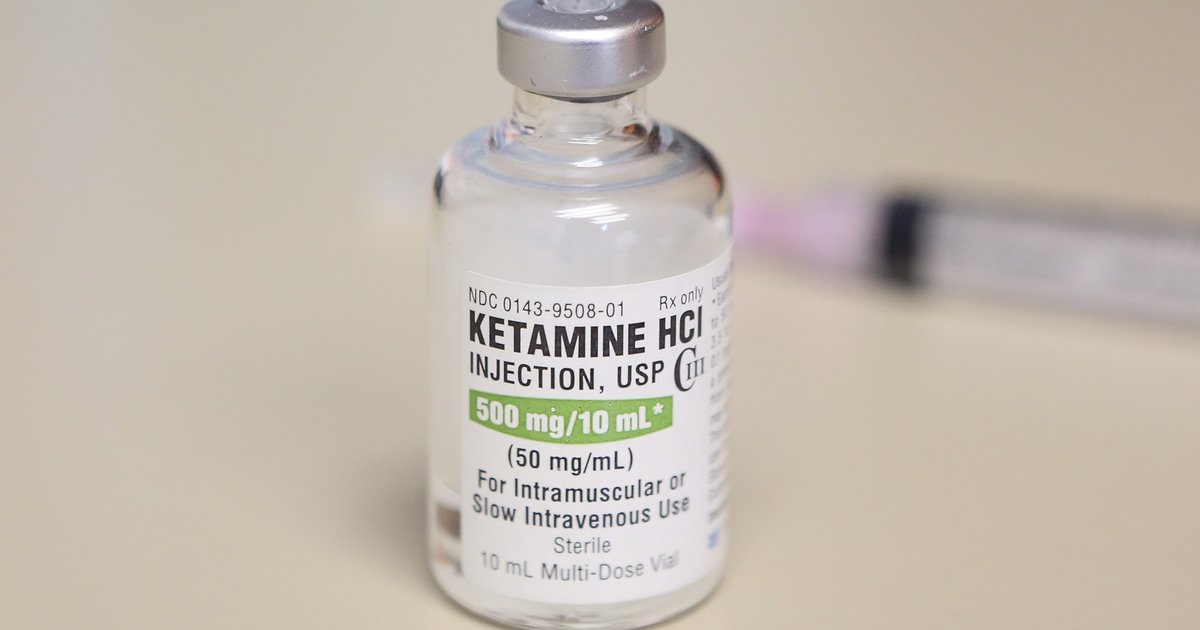
Major depressive disorder affects many individuals. Traditional antidepressants provide relief for some patients, but others may not respond to standard pharmacological interventions. When multiple treatment attempts fail to alleviate symptoms, clinicians classify the condition as treatment-resistant depression, and ketamine can help patients find relief. Here is more information on this condition and the role of ketamine therapy:
What Is Treatment-resistant Depression?
Psychiatrists define treatment-resistant depression as a major depressive episode that does not improve after two or more adequate trials of different antidepressant medications. Patients with this diagnosis experience persistent sadness, fatigue, and cognitive difficulties despite adhering to prescribed treatment regimens. Standard selective serotonin reuptake inhibitors may not work for this group, and some doctors explore alternative treatments like ketamine. Finding an effective intervention requires careful evaluation of a patient’s medical history and prior medication responses.
What Causes It?
Several factors may contribute to a patient’s lack of response to standard antidepressants, including:
- Genetic Predispositions: A patient’s genetic makeup can influence their response to pharmacological treatments.
- Comorbid Conditions: Medical issues like thyroid dysfunction or chronic pain can interfere with the efficacy of antidepressant medication.
- Neurobiological Factors: Chronic stress, neuroinflammation, and structural brain changes can reduce a medication’s effectiveness.
A comprehensive psychiatric evaluation is key to identifying these underlying factors before initiating new therapeutic protocols.
What Is Ketamine?
Ketamine is an anesthetic medication that doctors use in surgical settings, but this drug can also reduce depressive symptoms. The Food and Drug Administration approved a specific form of this medication called esketamine, marketed under the brand name Spravato, for treatment-resistant depression. Clinicians administer Spravato as a nasal spray under strict medical supervision in a certified healthcare facility. Medical professionals carefully calculate the dosage based on the patient’s body weight to maximize efficacy.
How Does It Work?
Traditional antidepressants target neurotransmitters like serotonin and norepinephrine, while ketamine interacts with the brain’s glutamate system. The medication binds to N-methyl-D-aspartate (NMDA) receptors, triggering a rapid release of glutamate and stimulating the growth of new neural connections. This process helps repair brain circuits damaged by chronic depression. Patients may experience symptom reduction within hours or days.
The rapid neural plasticity induced by this medication allows the brain to form healthier cognitive patterns. Patients may feel a temporary dissociative effect during treatment. As the drug’s biological half-life ends, newly formed synaptic connections sustain mood improvements over time. Clinicians may pair this biological treatment with therapy, as this dual approach helps maximize long-term psychological recovery.
What Are the Benefits?
The primary advantage of this therapy is its rapid onset of action in patients who have exhausted other medical options, and targeted glutamate modulation can reduce severe depressive symptoms. Patients undergoing this therapy may experience improved mood, better cognitive function, and an increased capacity to participate in psychotherapy. This treatment offers a distinct pharmacological option that circumvents the limitations of standard serotonin-based medications.
Another benefit involves the reduction of symptoms in acute psychiatric emergencies. Some clinical facilities utilize this medication to rapidly stabilize patients who present with severe suicidal ideation. Standard antidepressants require prolonged periods to reach therapeutic levels, making them less suitable for immediate crisis intervention. By providing rapid stabilization, this therapy helps patients engage in comprehensive psychiatric care, and their symptoms may be alleviated.
Learn More From a Specialist
Treatment-resistant depression disrupts daily life, but alternative therapies provide new options for symptom management. Ketamine and Spravato offer a different mechanism of action that can rapidly alleviate persistent depressive episodes. If you experience treatment-resistant depression, consult a mental health professional now.
