


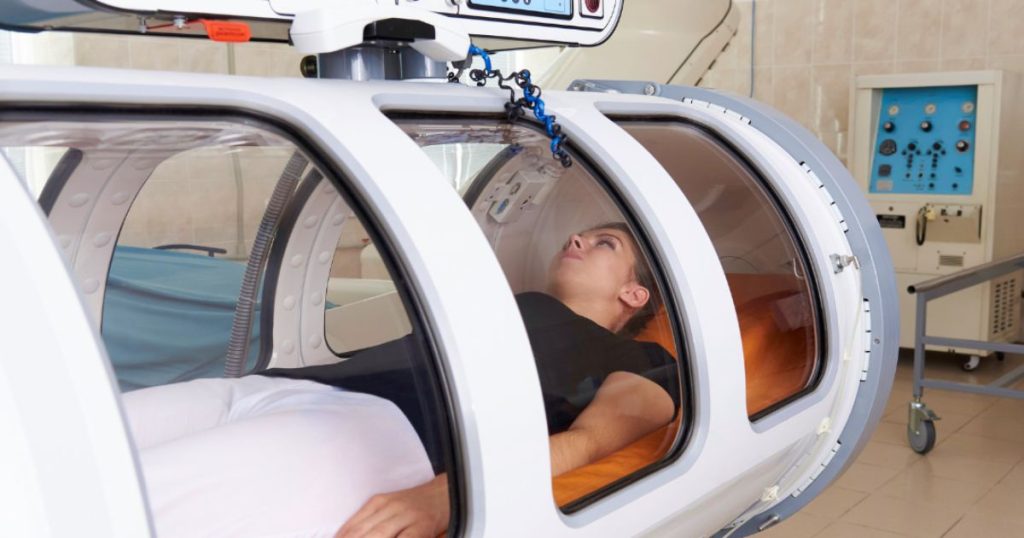
Sports injuries disrupt training schedules and sideline athletes for weeks or months, but hyperbaric therapy offers a structured, science-backed approach to addressing these setbacks. The treatment places patients inside a pressurized chamber, where they breathe pure oxygen at levels far above normal atmospheric pressure. This elevated oxygen environment influences how the body responds to tissue damage, infection, and inflammation. Here is more information about this approach:
Increasing Oxygen
Oxygen reaches injured tissues through the bloodstream, and higher concentrations speed up cellular repair. Breathing pure oxygen under pressure forces it into plasma, synovial fluid, and damaged cells. Since oxygen saturation increases significantly, the body gains access to resources it lacks at normal pressure.
Under standard conditions, red blood cells carry the body’s oxygen. Hyperbaric therapy sessions change this dynamic, and plasma begins transporting oxygen directly to compromised areas. Tissues that receive inadequate blood flow due to swelling or damage get a more consistent supply.
Boosting Healing
Collagen production depends heavily on oxygen availability, so hyperbaric therapy directly supports tissue rebuilding. The body uses collagen to repair tendons, ligaments, and cartilage. Increased oxygen exposure stimulates fibroblasts, which are the cells responsible for producing collagen.
New blood vessel growth may accelerate under hyperbaric conditions. Damaged areas require new capillaries to sustain long-term healing, and the therapy promotes this process. Athletes with chronic or slow-healing injuries may see measurable improvements in tissue repair rates.
Swollen joints and torn ligaments often block normal circulation. The pressurized environment compresses gases in the body, and this is used to reduce edema in affected areas. When circulation improves, recovery-related processes gain the support they need to function properly.
Attacking Bacteria
Certain bacteria thrive in low-oxygen environments, and infections in sports injuries sometimes involve these organisms. High oxygen concentrations are toxic to bacteria. Hyperbaric therapy creates conditions that suppress bacterial growth and support the immune response.
Wound infections following surgery or deep tissue injuries complicate recovery timelines. The therapy helps address this by delivering oxygen to areas at elevated risk of infection. White blood cells also function more effectively at higher oxygen levels, improving the body’s natural defense mechanisms.
Accelerating Recovery
Athletes use hyperbaric therapy to shorten recovery windows between injuries and competition. The treatment targets several recovery factors simultaneously:
- Reduced inflammation in damaged joints and muscles
- Faster removal of metabolic waste from fatigued tissue
- Improved oxygen delivery to repair sites
- Stimulated production of stem cells and growth factors
These combined effects make hyperbaric therapy a practical option for athletes managing acute or recurring injuries. A simple session is typically short. Since the therapy is non-invasive, it fits into most rehabilitation programs without displacing other treatments.
Physical therapists and sports medicine physicians often recommend hyperbaric sessions alongside conventional rehabilitation. Exercise, targeted movement therapy, and hyperbaric sessions address different aspects of recovery. Together, these approaches provide more complete support than any single treatment.
Schedule Hyperbaric Therapy Today
Hyperbaric therapy is a structured, evidence-informed treatment with a clear mechanism of action. It works by increasing oxygen availability, and this supports multiple aspects of tissue repair and infection control. If you’re managing a sports injury and want to explore your options, contact a medical clinic to schedule a consultation. Take the next step toward structured, informed care today.
