


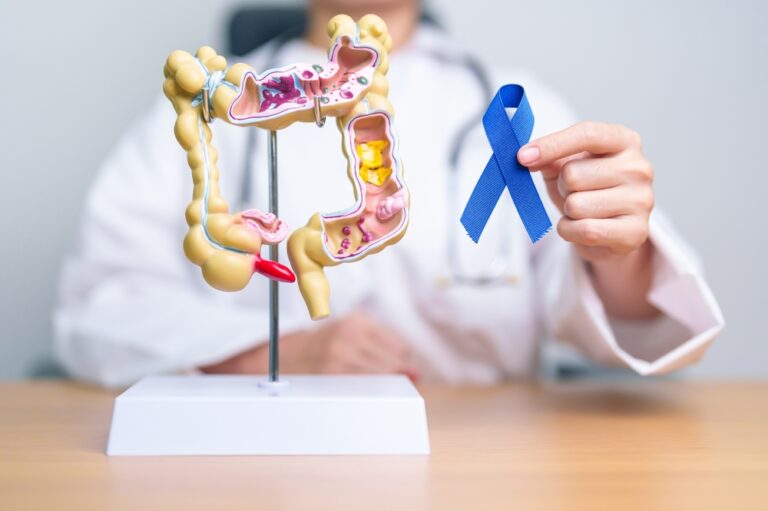
Colon cancer develops when abnormal cells in the large intestine grow and multiply without control. It often begins with small growths called polyps, and in many cases, it progresses slowly over years. Since people living with inflammatory bowel disease (IBD) face a higher risk than the general population, understanding why helps you stay ahead of the disease. Here is some information about the connection between colon cancer and inflammatory bowel disease:
Disease Duration
The duration of inflammatory bowel disease can influence the likelihood of developing associated complications. The chances of developing colon cancer begin to climb noticeably after about eight to ten years of active disease. This pattern applies to both ulcerative colitis and Crohn’s disease that affect the colon. Years of ongoing inflammation give cells more opportunities to mutate, and those mutations sometimes lead to cancerous changes. Because the risk grows over time, doctors often recommend that long-term IBD patients begin regular monitoring once they pass the eight-year mark.
Since early detection identifies cancerous growths at initial stages, it increases the chances of successful treatment. Colonoscopies are commonly used for screening, and other tests are recommended based on individual risk factors. Additional evaluations include blood tests, imaging scans, and biopsies, and clinicians select them when risk factors warrant investigation.
Extent of Colon Involvement
How much of your colon is affected matters. A person with inflammation limited to the rectum carries a lower risk than someone with inflammation throughout the colon. Doctors describe widespread involvement as pancolitis, and this condition raises the likelihood of cancerous changes across a larger area of tissue. Left-sided colitis falls somewhere in the middle, with a moderate increase in risk compared to limited disease. Your medical team uses imaging and biopsy results to map where the inflammation sits. Knowing the extent of your colon’s involvement helps your doctor decide how closely to monitor you.
Severity of Inflammation
The intensity of inflammation plays a key role in understanding colon cancer progression, and it guides treatment decisions. When the colon lining remains inflamed for extended periods, the repeated cycle of damage and repair increases the likelihood of genetic errors. Higher disease activity is often influenced by:
- Frequent flare-ups
- Deep ulcers
- Ongoing symptoms
Severe inflammation also increases the risk of dysplasia, a precancerous change that precedes a tumor. Keeping inflammation under control through medication and lifestyle adjustments helps lower risk over time. Work with your care team to manage flares quickly, since calmer disease tends to mean fewer complications. Regular checkups allow your doctor to track inflammation levels and adjust your treatment as needed.
Learn More About Colon Cancer
The link between IBD and colon cancer includes three main factors: how long you have lived with the disease, how much of your colon it affects, and how severe the inflammation has been. Staying informed and keeping up with recommended screenings gives you a strong foundation for protecting your health. Early detection through routine colonoscopy remains an effective way to catch changes before they advance. Schedule a consultation with a gastroenterology team today to discuss your risk and build a monitoring plan.
