


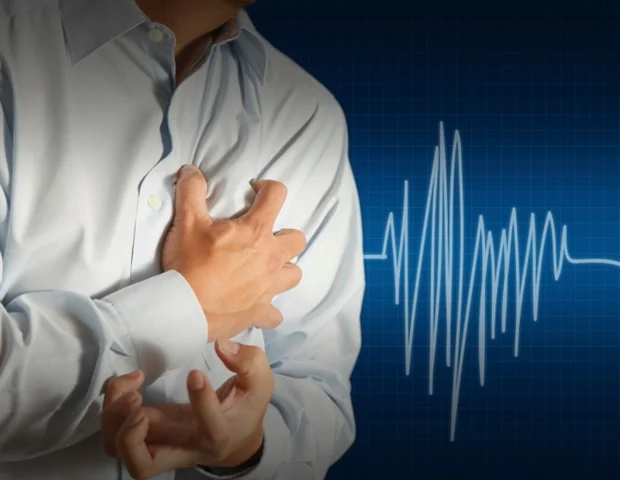
A heart attack happens when blood flow to part of the heart is blocked, often by a blocked artery. The heart muscle needs a steady supply of oxygen-rich blood to work, so when that supply gets cut off, the affected part of the heart can become damaged. The longer the blockage lasts, the more harm it can cause. Knowing the signs and what to do can help you act quickly during a heart-related medical event. Here are some common questions to have about heart attacks:
How Do Heart Attacks Present?
Heart attack signs differ from person to person, and they do not always look the same in men and women. Recognizing these signs early may help you get care faster. Some common symptoms in men or those assigned male at birth include:
- Chest pain or pressure, often in the center of the chest
- Pain that spreads to the arm, shoulder, neck, or jaw
- Shortness of breath
- Cold sweat or sudden dizziness
Women and those assigned female at birth may have the same chest discomfort, but they often notice other signs too. When women have a heart attack, they may also experience nausea, unusual tiredness, pain in the back or jaw, and shortness of breath without chest pain. Because these signs can feel mild or seemingly have an unclear source, they are sometimes mistaken for less serious problems.
Some people have no chest pain during a heart attack, which is why paying attention to your body matters. If you or someone near you shows these signs, call emergency services right away. Quick action can make a real difference in getting timely treatments.
When Should You Visit a Cardiologist?
A cardiologist is a doctor who focuses on the heart and blood vessels, and you do not need to wait for a heart attack to see one. Your primary care doctor may refer you to this kind of specialist if you have cardiovascular risk factors or ongoing symptoms. If you aren’t sure you need a specialist, ask your primary doctor about topics like:
- Having High Blood Pressure or High Cholesterol
- Having a Family History of Heart Disease
- Having Chest Discomfort or Irregular Heartbeat
- Having Diabetes
- Having a History of Smoking
Regular checkups help your doctor track your heart health over time. If you have already had a heart attack, ongoing visits become a fundamental part of your care. Early attention can help you understand your health risks and make informed choices with your medical team.
What Is Recovery Like?
Life after a heart attack often involves a new focus on recovery and prevention. Your care team will assess your heart and entire cardiovascular system and create a plan suited to your needs. To check your heart health, doctors may use tests such as an electrocardiogram (EKG), blood tests, an echocardiogram, or a stress test. These tools show how well your heart pumps and whether any areas were affected. Based on the results, your doctor may suggest lifestyle changes, medicine, or a program called cardiac rehabilitation.
Cardiac rehab is a guided program that includes monitored exercise, education, and support. Many people return to daily activities over time, and your care team will explain what pace is right for you. You may be asked to track your blood pressure, eat heart-friendly foods, stay active, and avoid smoking. Follow-up visits help your doctor adjust your plan as you heal, so staying in touch with your care team is key.
Manage Your Heart Health Effectively
Working with a cardiologist regularly helps you pay attention to your symptoms, know your risk factors, and keep up with regular checkups. Small daily habits, like eating well and staying active, can support your heart over the long term. If you notice warning signs or feel unsure about your health, talk with a medical professional for guidance. Ask your primary provider for a referral, or find a cardiologist near you to schedule an appointment to discuss your cardiovascular health.
