


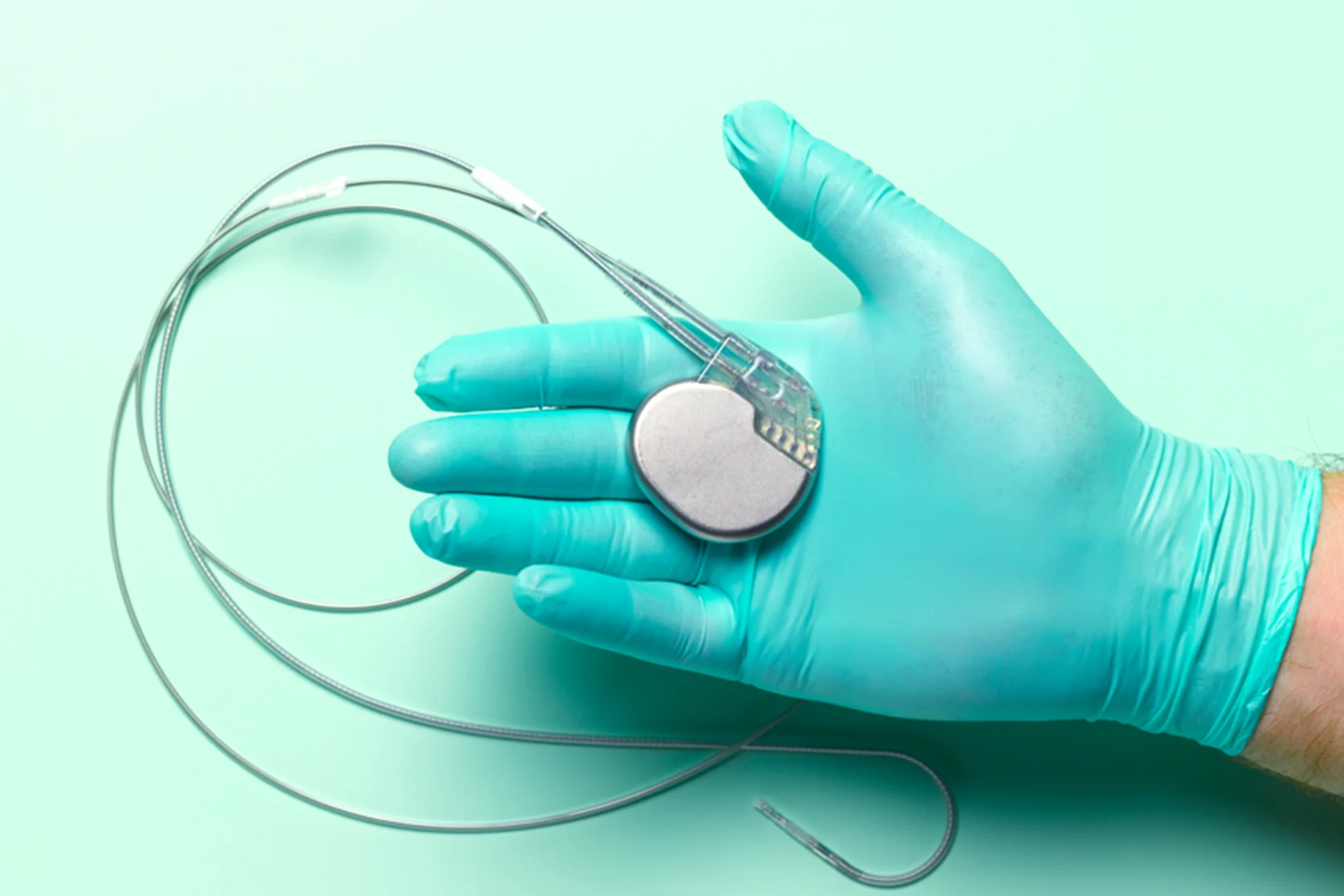
Heart conditions can be serious, but modern technology, such as pacemakers, helps patients with heart rhythm issues. A pacemaker insertion is a common procedure. Many patients return to their normal activities afterward. Here is more information about what a pacemaker does, the steps of the procedure, the recovery process, and the long-term maintenance you can expect:
Understanding Pacemakers
A pacemaker is a small electronic device that regulates your heartbeat, and it sends electrical signals to keep your heart rhythm steady. Cardiologists place this device under the skin near the chest, where it monitors and corrects abnormal heart rhythms. The device works quietly in the background and is not noticeable to most patients.
Pacemakers treat several heart conditions that disrupt normal electrical activity. For hearts with slow or irregular rhythm, a pacemaker intervenes to maintain a healthy pace. Doctors recommend these devices for patients with bradycardia, heart block, and certain types of arrhythmia, and they may also help people recovering from a heart attack.
The Insertion Process
The pacemaker procedure is performed with the patient sedated, and they undergo local anesthesia. The medical team numbs the chest area, which allows you to stay awake but not feel the operation. A surgeon makes a small incision near the collarbone, then guides thin wires called leads through a vein into the heart.
Once the leads sit in the correct position, the surgeon connects them to the pacemaker device. The device slips into a small pocket beneath the skin, and the team tests it to confirm it works properly. The surgeon closes the incision. You move to a recovery room where nurses monitor your progress.
Here is a quick overview of the main steps:
- The team numbs the chest with local anesthesia
- A surgeon inserts leads through a vein into the heart
- The pacemaker connects to the leads and slips under the skin
- Staff test the device before closing the incision
Recovery Requirements
Recovery begins right away, and many patients go home after the procedure. Some patients may require an overnight stay in the hospital. You might feel mild soreness near the incision, but the discomfort is typically temporary. Doctors usually clear patients to resume usual activities within a few days, though full recovery can take several weeks.
Several activities should wait until your doctor approves them:
- Lifting items heavier than ten pounds
- Reaching or stretching the arm overhead
- Driving
- High-intensity workouts and contact sports
Long-term Maintenance
A pacemaker needs occasional check-ups, and your cardiologist can schedule regular visits to review its performance. The battery typically lasts between 10 and 15 years and is eventually replaced with a minor procedure. Many modern devices transmit data remotely, which means your care team can monitor the device from a distance.
Daily life changes little once you adjust to the device, though a few habits keep it running smoothly. Keep cell phones and strong magnets at least six inches away from the device, and tell airport security staff that you have a pacemaker. Stand away from theft detectors in retail stores.
You may want to carry a device identification card, and some patients wear medical alert jewelry to inform emergency staff that they have a pacemaker. Routine follow-up appointments catch any issues early, and steady communication with your care team keeps your heart on track. Every six to 12 months, visits to your doctor help your care team monitor your device.
Learn More About Pacemaker Technology
A pacemaker restores a steady heartbeat for patients living with conditions like bradycardia and heart block. The insertion procedure is quick, recovery takes about a month, and long-term maintenance involves simple follow-ups and an eventual battery replacement. If you want to learn more about pacemakers and the insertion procedure, consult a cardiologist near you.
