


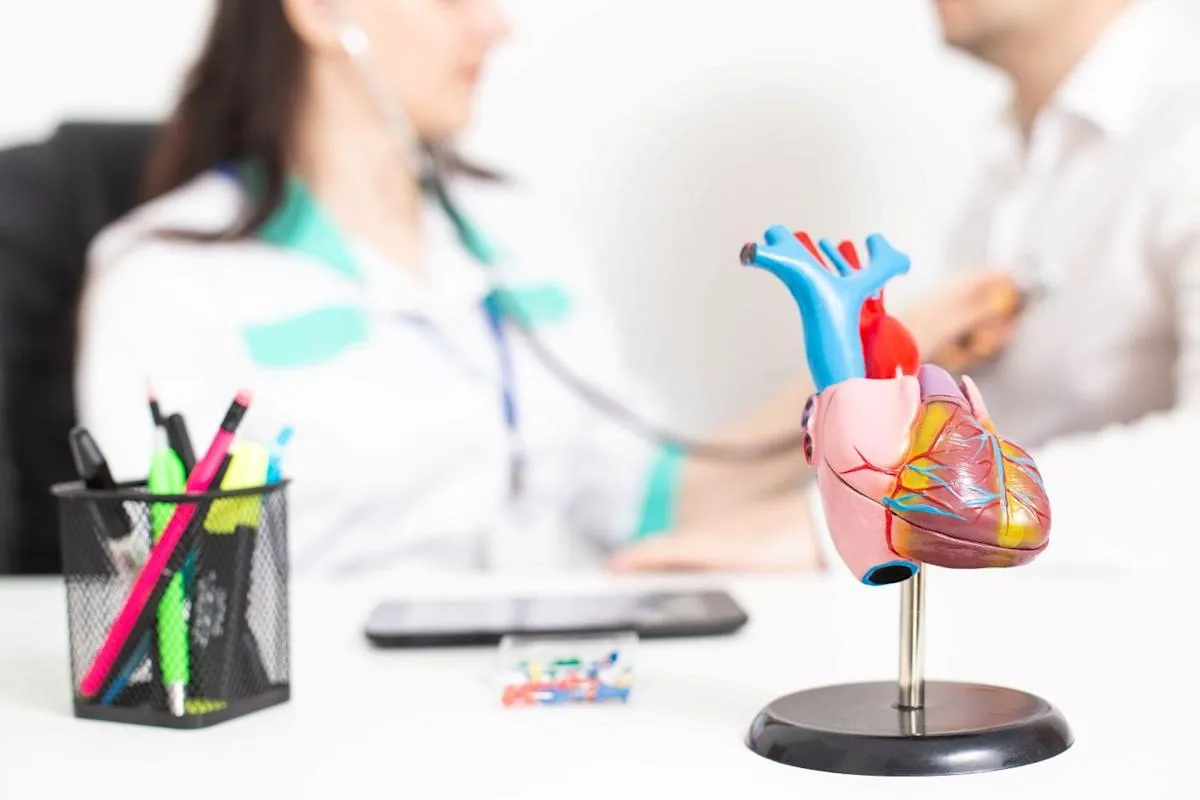
Cardiology is a specialized branch of medicine, and it focuses on diagnosing and treating heart and blood vessel diseases. Cardiologists work with conditions that range from high blood pressure to complex arterial disorders, while their expertise spans both prevention and treatment. Understanding these conditions gives you a clearer picture of what to expect from cardiovascular care. Here are some cardiovascular conditions and their treatments:
High Blood Pressure
Blood pressure measures the force of blood pushing against artery walls. When that force stays consistently elevated, it strains the heart and arteries, so early detection matters. A cardiologist uses readings above 130/80 mmHg as a standard threshold for diagnosis.
Treatment typically involves lifestyle changes, and medication is added when numbers remain high. Doctors at a cardiology clinic may recommend the following starting points:
- Reducing sodium intake
- Engaging in moderate exercise weekly
- Limiting alcohol consumption
Medications like ACE inhibitors, beta-blockers, and diuretics are typically prescribed. Each drug works differently, targeting specific mechanisms that drive elevated pressure. Your cardiologist selects the right combination based on your full health profile.
Coronary Artery Disease
Coronary artery disease (CAD) develops when plaque builds up inside the arteries that supply blood to the heart. This buildup narrows the arteries, and blood flow to the heart muscle becomes restricted. Reduced flow causes chest pain, known as angina, or leads to a heart attack.
Statins are used to lower LDL cholesterol, which slows plaque progression in many patients. Lifestyle adjustments, including a heart-healthy diet and quitting smoking, play a direct role in managing CAD. When blockages are severe, procedures like angioplasty or bypass surgery restore blood flow.
Peripheral Artery Disease
Peripheral artery disease (PAD) occurs when plaque narrows arteries outside the heart, typically in the legs. Reduced blood flow causes leg pain during walking, a symptom called claudication. If left untreated, PAD raises the risk of limb loss and cardiovascular events.
Treatment options for PAD include:
- Exercise therapy to improve walking distance
- Medications to reduce clotting risk
- Angioplasty or stenting for severely narrowed arteries
Cholesterol-lowering drugs and blood pressure medications are also used to address the underlying arterial disease. Lifestyle changes, especially quitting smoking and managing diabetes, slow PAD progression. Cardiologists and vascular specialists often co-manage patients with advanced disease.
Irregular Heartbeat
An irregular heartbeat, also known as an arrhythmia, happens when the heart beats too fast, too slow, or in an uncoordinated way. Atrial fibrillation (AFib) is a major type of arrhythmia, where the heart’s upper chambers beat irregularly and often rapidly. This can lead to palpitations, shortness of breath, and fatigue.
If left untreated, an irregular heartbeat can increase your risk of stroke, heart failure, and other complications. Your doctor can diagnose an arrhythmia through an electrocardiogram (ECG) or by using a wearable monitor. Treatment for an irregular heartbeat depends on the type and severity. Your doctor may recommend:
- Medications to control your heart rate or rhythm
- Lifestyle changes like managing stress and reducing caffeine intake
- Medical procedures such as ablation to restore a normal heart rhythm
Schedule Cardiology Care Today
Cardiovascular conditions are manageable when caught and treated early. A cardiologist uses diagnostic tools to build an accurate picture of your heart health. Preventive cardiology appointments are available, and routine screenings detect problems before they escalate. Contact our cardiology team today to schedule your appointment and take a clear, informed step toward understanding your heart health.
