


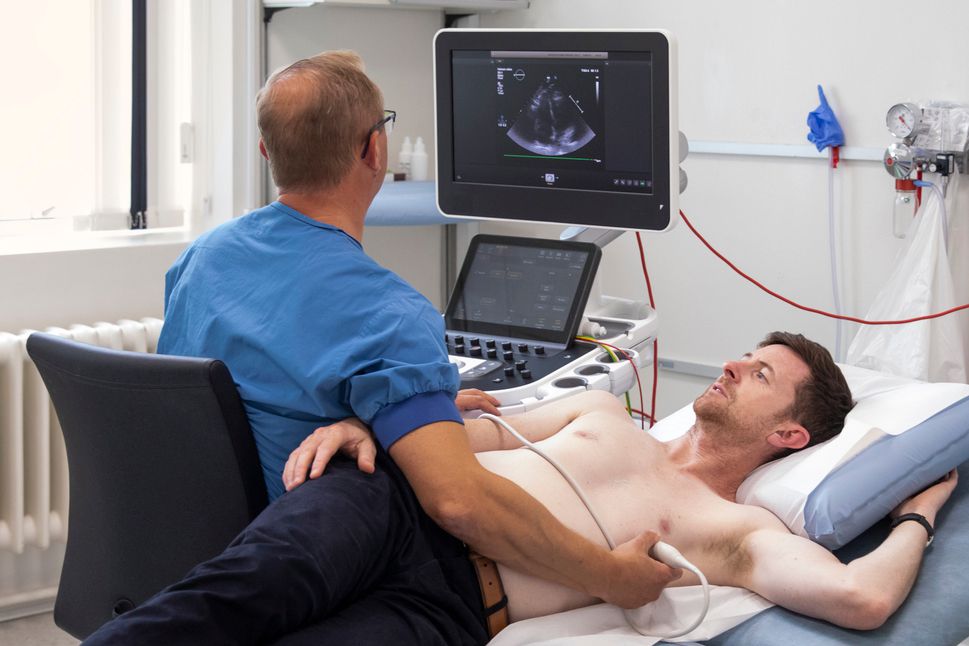
An echocardiogram uses sound waves to create moving pictures of your heart. Doctors rely on it to study your heart’s structure and function in real time, and it detects problems with the heart muscle, valves, and blood flow. Since it is noninvasive and painless, it offers a clear view of your heart without surgery or radiation. Here is some information about the role of echocardiograms in diagnosing heart conditions:
Reviewing Echocardiogram Types
Different types of echocardiograms serve various diagnostic needs and provide detailed insights into heart health. The transthoracic echocardiogram is standard; a technician moves a device called a transducer across your chest to capture images from outside the body. When more detail is needed, your doctor might order a transesophageal echocardiogram. This approach uses a thin probe that is guided down the esophagus, which sits close to the heart and produces sharper images.
A stress echocardiogram measures how your heart works during physical activity. You exercise on a treadmill or stationary bike, and images are recorded before and after. If you are unable to exercise, medication may be used to mimic the effects of physical exertion. Each type provides your cardiologist with specific information about how your heart functions.
Knowing What the Test Evaluates
An echocardiogram measures many parts of your heart at once. It shows the size and thickness of the four chambers. It reveals how well the heart muscle squeezes and relaxes with each beat. Your cardiologist also watches the heart valves open and close, as they look for leaks or narrowed openings that disrupt flow. One key measurement is ejection fraction, the percentage of blood pumped out of the left ventricle with each contraction; a low number indicates a weakened pumping action. The test also tracks blood flow patterns, pressure inside the chambers, and the condition of the membrane around the heart. Doctors examine the images for fluid buildup and blood clots.
Identifying Diagnosed Conditions
Echocardiograms help diagnose a wide range of heart conditions. Heart failure is a common finding, and it’s often linked to a reduced ejection fraction and an enlarged chamber. Valve disease, such as stenosis or regurgitation, shows up when valves fail to open or close properly. Cardiomyopathy, a disease of the heart muscle, is characterized by thickened, stretched, or stiff walls. The test also detects congenital heart defects, which are structural problems present from birth. Other findings include:
- Pericardial effusion: fluid collecting around the heart
- Blood clots: masses inside the chambers that raise stroke risk
- Aortic aneurysm: a bulge or weakened section of the aorta
- Pulmonary hypertension: elevated pressure in the lungs’ arteries
By spotting these issues early, your cardiologist gains the information needed to plan treatment. The images guide decisions about medication, lifestyle changes, or further testing. In some cases, results lead to a referral for a procedure or surgery when additional intervention is needed. The goal is a clear understanding of what is happening inside your heart, and this helps determine the next steps.
Visit a Cardiologist
An echocardiogram gives your doctor a detailed look at how your heart works and where problems might exist. If you have symptoms such as chest pain, shortness of breath, or an irregular heartbeat, talk with a specialist about whether this test is right for you. A cardiologist will review your health history and explain your options. Schedule an appointment today to discuss your heart health.
