


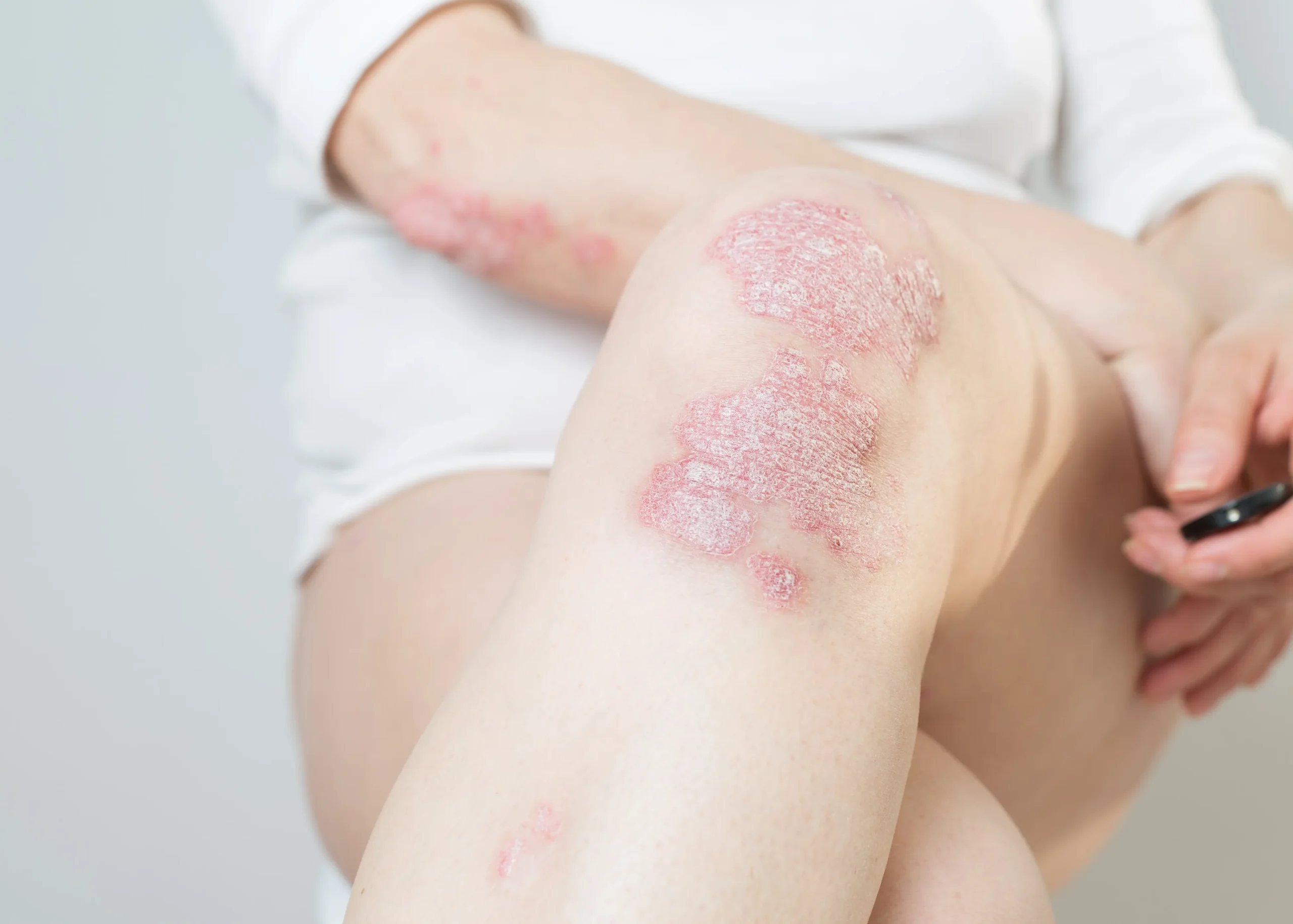
Psoriasis is a long-term skin condition that affects people around the world. It changes how the skin looks and feels, and it can lead to patches that appear different from the surrounding area. While the condition is common, many people know little about what causes it or how it behaves over time. Learning the basics can help you recognize the signs and understand when to seek guidance from a medical professional.
What Is Psoriasis?
Psoriasis is a chronic condition that involves the immune system and the skin. In a healthy body, skin cells grow and shed over the course of about a month. With psoriasis, that process speeds up. New skin cells form within days instead of weeks. The body may not be able to shed them fast enough, so the cells pile up on the surface.
This buildup creates thick, raised areas on the skin. The condition is not contagious, which means it cannot spread from person to person through touch. Researchers believe psoriasis is linked to how the immune system signals the body. Genetics also plays a role, so the condition often runs in families. It tends to come and go over time. People may experience periods when symptoms flare up, followed by stretches when the skin appears calmer.
What Are the Symptoms?
The symptoms of psoriasis can vary from person to person. Some people have mild patches, and others deal with larger affected areas. There are some commonly reported signs, which include:
- Patches of skin that may feel thick or rough to the touch.
- Scales or flaky areas that can appear silvery or white on top of the patches.
- Redness or discoloration, which may look different depending on skin tone.
- Skin that is dry and cracks in some cases.
- Itching or a burning feeling in the affected areas.
Psoriasis often shows up in certain spots on the body, and these include the elbows, knees, scalp, and lower back. Some people notice patches in other areas as well. The size and shape of these patches can change as the condition flares or settles. Because symptoms differ, two people with the same condition may have very different experiences. A medical professional can help identify whether the signs you notice point to psoriasis or another skin issue.
What Factors Trigger It?
Psoriasis does not have a single cause, but certain factors can trigger or worsen flare-ups. Understanding these triggers may help you manage your symptoms more effectively. Common lifestyle and environmental factors range greatly, including:
- Skin Injuries: Cuts, scrapes, sunburns, or insect bites may sometimes lead to new patches forming at the site of the injury.
- Infections: Certain illnesses, such as strep throat, have been linked to flare-ups in some people.
- Weather: Low humidity and chilly temperatures can dry out the skin and make symptoms more noticeable.
- Smoking and Alcohol Use: Both habits have been connected to flare-ups.
- Medications: Some prescription drugs may affect the condition.
Overall health can also influence how the condition behaves. Keeping track of what seems to set off your symptoms gives you and your doctor useful information for managing the condition.
Confer With a Dermatologist
Psoriasis is a manageable condition, and you do not have to navigate it alone. A dermatologist is a doctor who specializes in skin health. This professional may examine your skin, review your medical history, and help you understand your specific situation. Working with a specialist allows you to get advice tailored to your needs rather than relying on guesswork. If you notice new patches, ongoing itching, or changes in your skin, scheduling an appointment is a sensible next step.
