


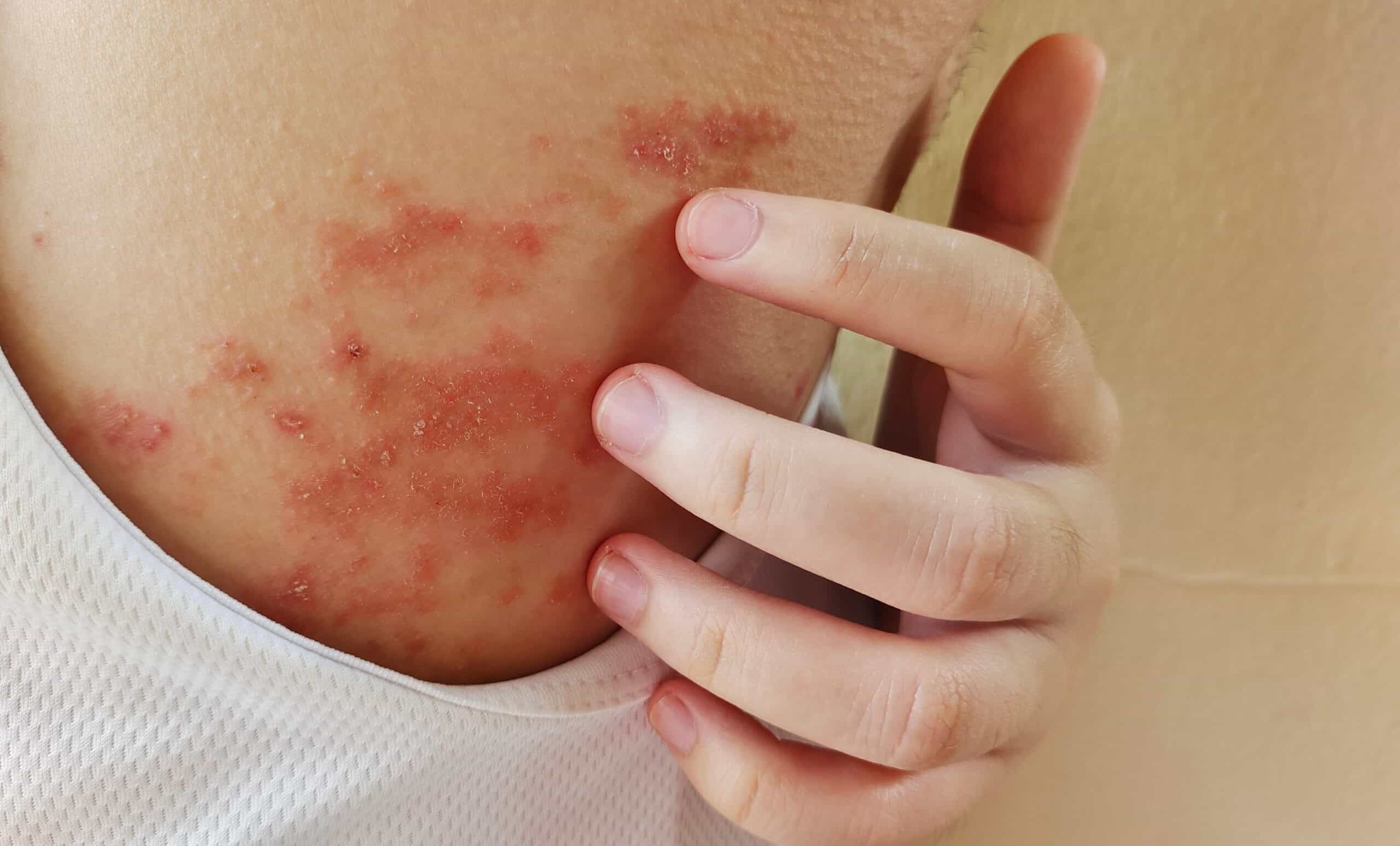
Eczema is a common skin condition that causes dry, itchy, and inflamed patches of skin. It happens when the skin barrier struggles to hold in moisture and protect against irritants, so genetics and an overactive immune response often play a role. Eczema can affect anyone, but it appears most often in babies and young children. Many people continue to experience it into adulthood. Here’s information on eczema triggers and how to avoid flare-ups:
What Causes Triggers?
Triggers are things that lead to an eczema flare-up, which is a period when symptoms get worse. These triggers vary widely from person to person, but some common ones include:
- Soap or Hair Products
- Fragrances
- Certain Fabrics (Like Wool)
- Sweat
Stress and lack of sleep can also play a part. Some foods, dust mites, pet dander, and pollen may set off symptoms in certain people. Changes in temperature or humidity, like dry winter air and hot summer heat, are seasonal factors that often affect the skin. Because everyone’s skin reacts differently, the same product may bother one person and not another. Identifying your personal eczema triggers takes time and careful attention.
How Do You Track Triggers?
Keeping a journal or notebook is a useful way to spot patterns in your skin flare-ups. Write down when a flare-up starts, what you ate, what products you used, and what the weather was like that day. Over a few weeks, you may begin to notice connections between certain activities and your symptoms.
Photos often help too; take a picture of affected skin so you can compare changes over time. Pay attention to any new:
- Soaps
- Lotions
- Detergents
- Clothing
You might want to add one new product at a time, as this slower approach makes it easier to find the source of a reaction. Sharing your notes with a doctor can help them understand your triggers and create a management plan.
How Can You Avoid Flare-ups?
Once you understand your triggers, you can take steps to reduce your exposure to them, often through small daily habits. Keeping your skin hydrated is also key. Apply a gentle, fragrance-free moisturizer right after bathing while your skin is still damp. Try using lukewarm water instead of hot water and choosing mild cleansers without harsh chemicals. Wear soft, breathable fabrics like cotton to lower the chance of irritation.
Your surroundings matter as well, so it may be beneficial to take key steps at home. Keep your home at a steady temperature and use a humidifier in dry months to add moisture to the air. Wash your bedding regularly to limit dust mites, and try to manage stress through rest and calming activities often. Avoiding known triggers, such as scented products, also helps you avoid flare-ups.
Manage Your Eczema With a Specialist
Living with eczema can be challenging, but support is available. A dermatologist can examine your skin, help you identify triggers, and explain options suited to your situation. Working with a specialist gives you clear, reliable guidance based on your specific skin needs. If your symptoms continue, worsen, or interfere with your daily life, it may be time to seek professional help. Contact a dermatologist near you to effectively manage your skin health.
