


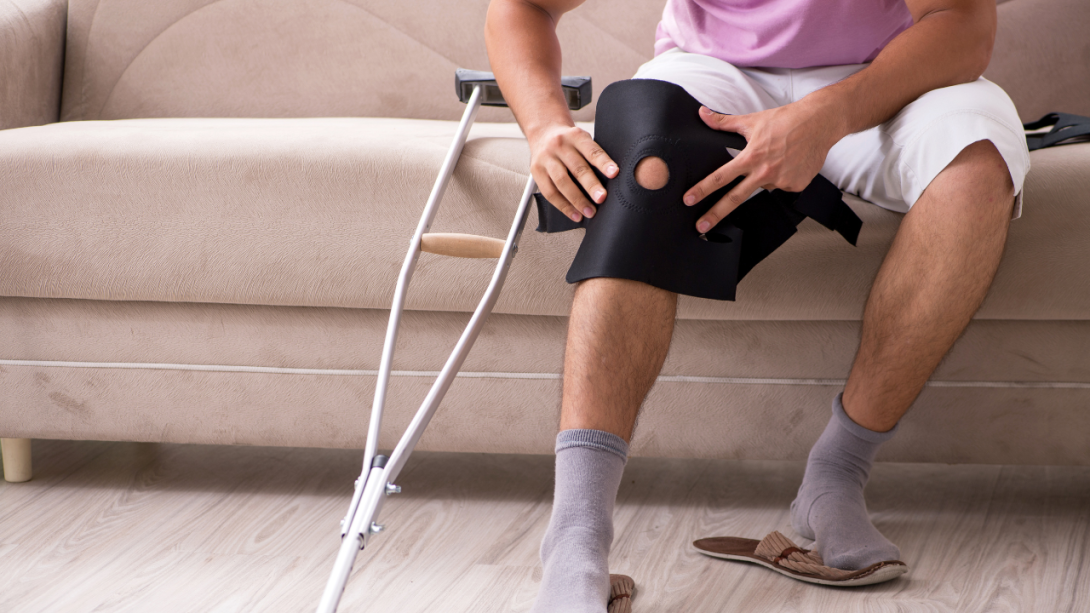
Professional pain management for post-surgery recovery involves a clinical approach to minimizing discomfort and promoting healing. Techniques include pharmacological interventions, physical therapy, and nerve blocks, which help post-surgery patients regain mobility and avoid long-term complications during the recovery phase. Doctors assess individual medical histories, and they tailor interventions to specific surgical outcomes. Here is more information on how to facilitate post-surgery recovery:
What Is Professional Pain Management?
Professional pain management is a specialized medical discipline focused on alleviating acute discomfort following surgical procedures. Clinical teams evaluate the severity of the patient’s condition, and they implement evidence-based protocols to stabilize the nervous system. Since uncontrolled distress can delay physiological healing, doctors monitor patients continuously throughout the acute recovery phase. This organized approach integrates multiple clinical specialties to address varying levels of physical trauma.
Who Does It Help?
This clinical framework supports patients recovering from acute physical trauma after surgery, including:
- Individuals who have undergone orthopedic joint replacements, as they require specialized protocols.
- Patients recovering from cardiac surgery, who need careful medication monitoring.
- Those with pre-existing chronic conditions, such as neuropathy, to prevent medical complications.
Specialized care for these groups helps prevent compounding medical issues and supports a more stable recovery.
What Are the Available Techniques?
Physicians deploy several clinical modalities to mitigate postoperative physical distress. Pharmacological interventions block specific receptors in the brain, and regional nerve blocks numb targeted surgical sites. While systemic medication manages central nervous system responses, physical modalities address localized tissue inflammation.
Non-pharmacological treatments serve as adjunct therapies during the physical rehabilitation phase, and clinical providers utilize specific interventions to reduce swelling. They also implement physical therapies to promote tissue regeneration. Medical nutrition therapy promotes tissue repair by providing essential macronutrients and micronutrients that support the body’s metabolic demands during the healing process.
Epidural injections deliver corticosteroids directly to the inflamed nerve roots in the spinal canal, and this may provide substantial relief. Peripheral nerve stimulators are implantable devices that deliver mild electrical impulses to specific nerves, helping to disrupt pain signals before they reach the brain. Another intervention is platelet-rich plasma (PRP) therapy, where concentrated platelets from the patient’s own blood are injected to promote tissue healing. Patients may consume fewer systemic opioids when doctors use these targeted approaches.
How Is Post-surgery Recovery Facilitated?
Effective symptom control helps accelerate the physiological healing process. Patients breathe deeply during recovery, and this improved respiration may prevent postoperative pneumonia. Managed pain enables early mobilization, which helps individuals maintain better cardiovascular circulation. While the body repairs the surgical incision, a stable nervous system prevents chronic sensitization.
How Is Professional Care Beneficial?
Clinical oversight provides continuous monitoring of the patient’s metabolic responses to prescribed therapies, and doctors adjust medication dosages based on observed side effects. Nurses may track the patient’s objective assessment scores. If an adverse reaction occurs, the medical team initiates immediate corrective protocols.
Supervised care prevents the misuse of pharmacological substances during the vulnerable recovery period. Providers may educate patients on correct medication schedules, establishing strict clinical boundaries for opioid consumption. Addiction risks accompany specific drug classes, and professional management protects the patient’s long-term health.
Find Relief Today
Structured medical intervention helps with the acute postoperative phase. Physicians evaluate individual symptoms, and they deploy appropriate treatments to stabilize the body. If you require targeted care after an operation, consult a specialized clinic for evaluation.
