


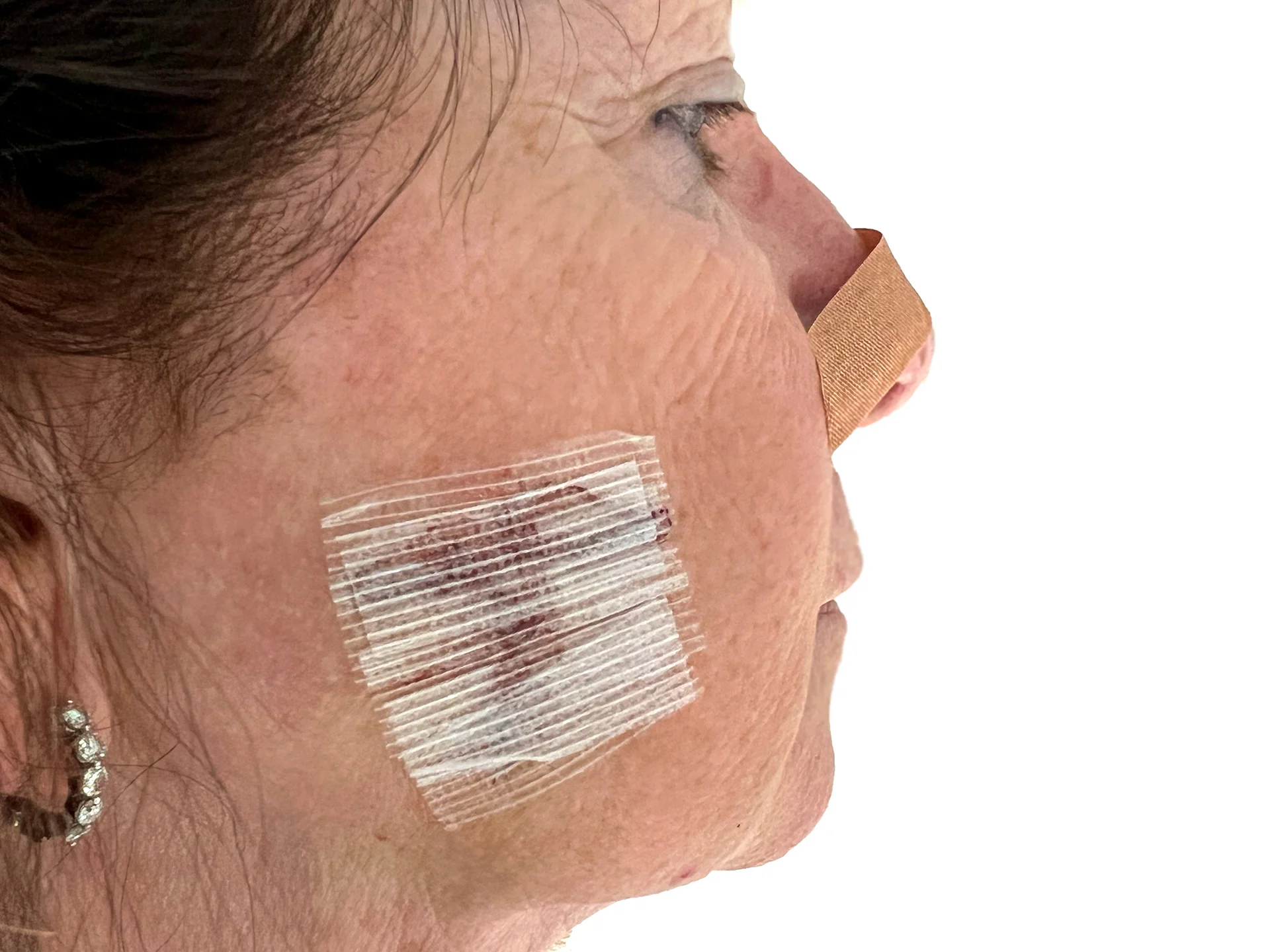
A skin cancer diagnosis often comes with questions about treatment. One option a doctor may discuss is Mohs surgery. A discussion with a doctor helps patients understand the procedure, prepare properly, and know what to expect during recovery.
What Is Mohs Surgery?
Mohs surgery is a procedure used to treat skin cancer. It involves removing thin layers of skin one at a time. Each layer is examined under a microscope for signs of cancer. The process continues until no signs of cancer remain. This precision gives Mohs surgery a 99% success rate for nonmelanoma skin cancers, and it reduces the need for additional treatment or surgery.
The goal is to remove all of the cancer while preserving as much healthy skin as possible. This process makes it a good option for areas where tissue is more visible, such as the face, eyes, ears, nose, mouth, hands, and feet. It also suits cancers that are large, grow quickly, have edges that are hard to define, or have returned after earlier treatment. Mohs surgery treats common skin cancers like basal cell carcinoma and squamous cell carcinoma along with melanoma and other less-common skin cancers.
A patient may ask the doctor whether the type and location of the cancer make Mohs surgery a suitable choice. This is a good starting point for any conversation about treatment.
How Do I Prepare for Surgery?
The doctor could ask the patient to stop taking certain blood-thinning medications and supplements, such as ibuprofen and ginseng, one to two weeks beforehand. Prescription medicines should be continued unless the doctor advises otherwise. Patients may also be asked to avoid alcohol the day before the procedure and to stop smoking ahead of time.
On the day of surgery, eating a normal meal beforehand is usually fine. Comfortable, casual clothing worn in layers helps patients adjust to a warm or cool room. Because surgery can take between two and four hours, bringing a book, magazine, or tablet helps pass the waiting time. Doctors often suggest setting aside the full day, since the exact length of the procedure is hard to predict. Most people go home the same day and do not need a hospital stay.
What Is Recovery Like?
Following surgery, patients can experience mild pain and soreness, but over-the-counter pain medicine often helps. Some swelling and redness in the treated area are normal and often improve over time. Severe pain is not common and should be reported to a doctor.
A bandage covers the wound for about a week or longer, depending on the situation. The doctor provides instructions on caring for the wound, which could include changing the bandage daily and applying any prescribed ointment. Most people return to usual activities within a few days, though strenuous exercise and heavy lifting should be avoided for at least a week.
Follow-up appointments help confirm that the wound is healing correctly. These visits also give patients a chance to raise any concerns that come up during recovery.
See a Dermatologist
If you have been diagnosed with skin cancer, schedule an appointment with a dermatologist. Ask whether Mohs surgery suits your diagnosis. Your dermatologist can explain your options and help you decide on the right treatment.
