


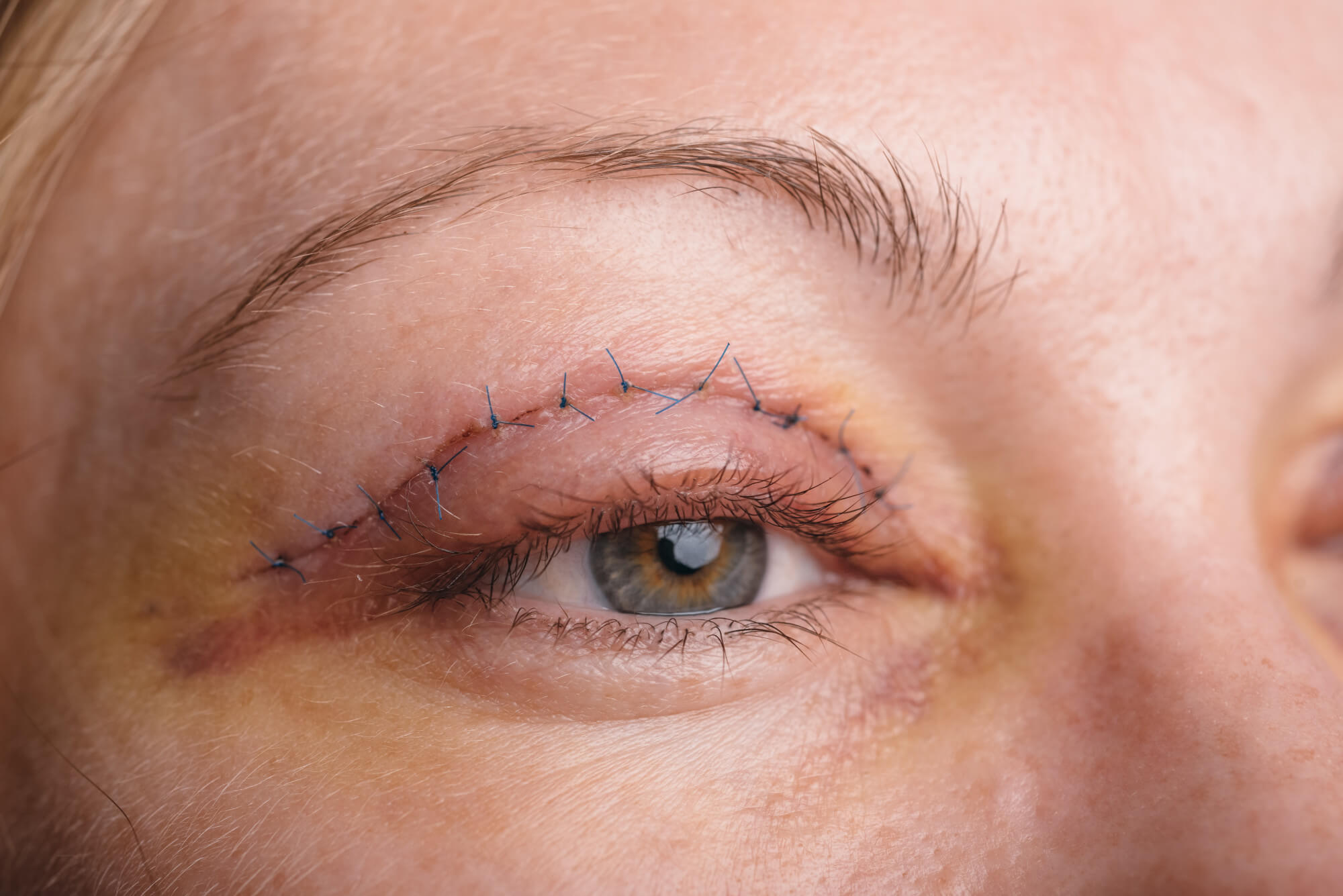
Recovery after eye surgery is a fundamental part of protecting vision, supporting healing, and reducing the risk of complications. An eye doctor provides guidance on post-surgical care, activity limits, medication use, and follow-up appointments based on the type of procedure performed. Here is what to know about the recovery process after eye surgery:
Follow Early Care Instructions
Your eye doctor will provide written and verbal instructions covering medication schedules, cleaning routines, and protective measures. When you follow each step in order, you reduce the risk of complications and give the eye a stable environment to heal. Here are key care tips that specialists recommend across different eye procedures:
- Use prescribed drops on time: Antibiotic and anti-inflammatory drops work best on a fixed schedule, and spacing them properly helps protect the eye.
- Wear the eye shield during sleep: A shield prevents accidental rubbing at night, which is key while tissue remains fragile.
- Keep water and soap away from the eye: Splashes can introduce bacteria, so you should shield the area during bathing.
- Avoid touching or pressing the eye: Pressure disrupts healing tissue, and hands carry germs that raise the risk of infection.
These steps form the foundation of a smooth recovery. Make sure you clarify instructions you do not understand before you leave the clinic.
Manage Common Symptoms
Mild symptoms are common after most eye surgeries, but they usually fade as the tissue heals. You may experience itching, watering, blurry vision, or a gritty sensation, and these signs are common in the first few days. Your eye doctor explains which symptoms are expected and which ones need attention, so you can respond promptly to unusual symptoms.
Comfort measures often ease these sensations without extra medication. Resting your eyes, avoiding bright screens for long stretches, and staying in dim light can reduce strain while you heal. If a symptom worsens instead of improving, or if you experience sharp pain, sudden vision loss, or heavy discharge, contact your doctor without delay.
Limit Daily Activities
Rest supports healing, and cutting back on strenuous tasks protects the eye during its vulnerable window. Heavy lifting, bending at the waist, and intense exercise raise intraocular pressure, which can interfere with recovery. Your eye doctor tells you when you can return to each activity, and following that timeline can prevent setbacks. Certain activities deserve extra caution during the first few weeks. Here are some of them:
- Driving: Blurred vision affects reaction time, so wait until your vision stabilizes and you receive approval.
- Swimming and hot tubs: Water carries bacteria, and immersion increases the risk of infection while the eye heals.
- Strenuous exercise: Running, weightlifting, and similar efforts increase eye pressure and should be paused temporarily.
- Dusty or dirty environments: Airborne particles irritate the eye, so gardening and construction work can wait.
Gradually easing back into your routine helps protect the results of your surgery. Ask your eye doctor for a clear timeline that matches your specific procedure.
Attend Follow-Up Visits
Follow-up appointments allow your eye doctor to track healing and detect problems early. The first visit often occurs within a day or two of surgery, and subsequent visits are spaced over weeks or months. During these checks, your eye doctor measures your vision, inspects your eye, and adjusts your medication if needed. These visits also give you a chance to ask questions and report any concerns.
Consult an Eye Doctor Today
Recovering from eye surgery requires diligent care, regular follow-up appointments, and open communication with your provider. Adhering to your surgeon’s post-operative instructions and attending all scheduled visits can support a smooth recovery process. Keeping track of unusual symptoms and reporting them promptly is key to maintaining your eye health. Contact a skilled eye doctor near you to schedule your consultation today.
