


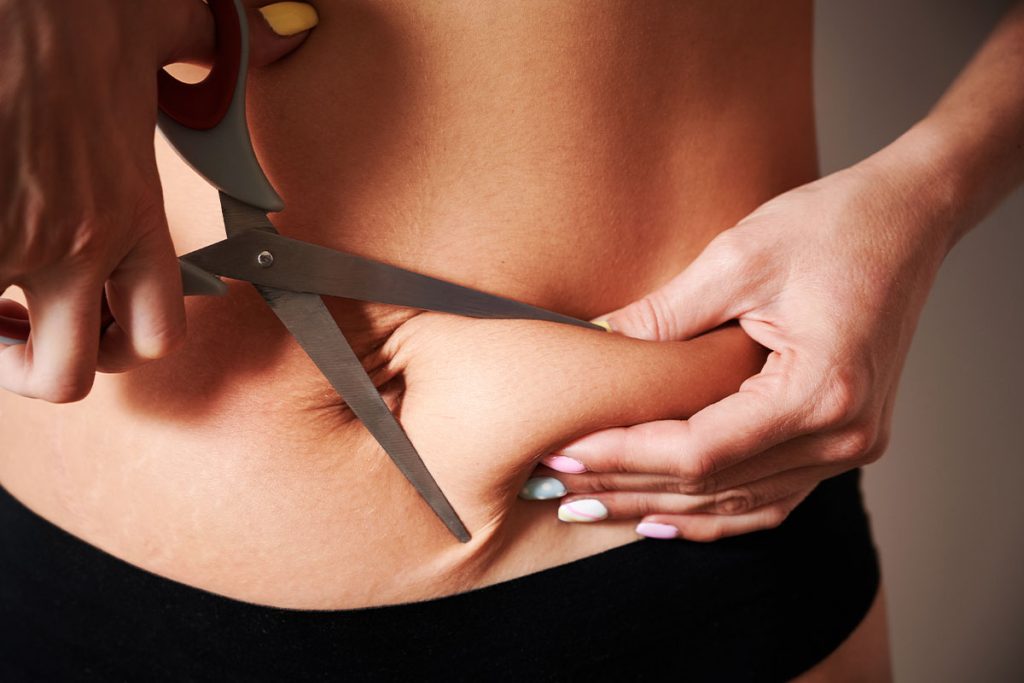
Weight loss sometimes starts with steady progress. After a few weeks or months, that progress can stall. This stall, known as a weight loss plateau, disrupts people who follow consistent diet and exercise routines. For gynecology patients, weight management connects to hormonal health, fertility, and conditions like polycystic ovary syndrome (PCOS), and understanding why plateaus happen helps them respond with the right adjustments. Here is more information on what losing weight involves, what causes plateaus, and the strategies that help patients overcome them:
What Is Weight Loss?
Weight loss refers to a reduction in total body mass; this reduction can result from decreased body fat, water, or muscle tissue. People can pursue weight loss to reduce body fat while preserving lean muscle mass. The body achieves this when it burns more calories than it takes in, a state called a calorie deficit. For women, losing weight healthily also supports hormonal balance and reproductive health.
What Does It Involve?
Losing weight involves several interconnected strategies that address calorie intake, energy expenditure, and overall health.
- Dietary Changes: A balanced diet reduces calorie consumption while providing necessary nutrients.
- Physical Activity: Regular exercise increases energy expenditure and preserves muscle mass during fat loss.
- Behavioral Adjustments: Sleep quality and hydration affect how the body regulates weight.
Gynecology patients may require additional medical input, as hormonal conditions sometimes affect metabolism and appetite.
What Are Weight Loss Plateaus?
A weight loss plateau occurs when the body stops losing weight despite consistent efforts. Progress stalls for days or even weeks at a time; this is a normal physiological response, not a sign of failure. Plateaus tend to appear after an initial period of successful loss. As the body adapts to a lower caloric intake, its metabolism slows to conserve energy. The result is that the same habits that once produced results no longer yield the same outcomes.
What Causes Them?
Several factors contribute to these plateaus. As body weight drops, the body needs fewer calories to function, which narrows the original calorie deficit. Muscle loss can lower metabolic rate, and this reduces the calories burned at rest. Hormonal shifts also play a role, particularly for gynecology patients managing PCOS, thyroid imbalances, or menopause-related changes.
Other causes relate to behavior and measurement. People may underestimate calorie intake as portion sizes gradually increase over time. Water retention from sodium or menstrual cycles can mask fat loss on the scale, and reduced physical activity outside of structured workouts further lowers daily energy expenditure.
How Are They Overcome?
Overcoming a plateau starts with reassessing calorie intake. Recalculate daily needs based on current weight, since a lighter body requires fewer calories. Track food accurately for a week to identify hidden sources of extra calories, and small reductions in portion size can restore the deficit needed to continue the loss.
Adjusting the exercise routine also helps break a plateau, so add resistance training to preserve and build muscle. This supports a higher metabolic rate. Increase the intensity or duration of cardio sessions to raise total energy expenditure. Daily movement, such as walking more steps, adds to the calories patients burn outside of workouts, facilitating steady progress.
Seek Professional Guidance Now
Weight loss plateaus are caused by metabolic adaptation, hormonal changes, and shifts in caloric needs, and these causes can be addressed with professional guidance. Reassessing diet and modifying exercise routines are effective strategies for overcoming them. If you are looking to lose weight, consult a healthcare provider today.
