


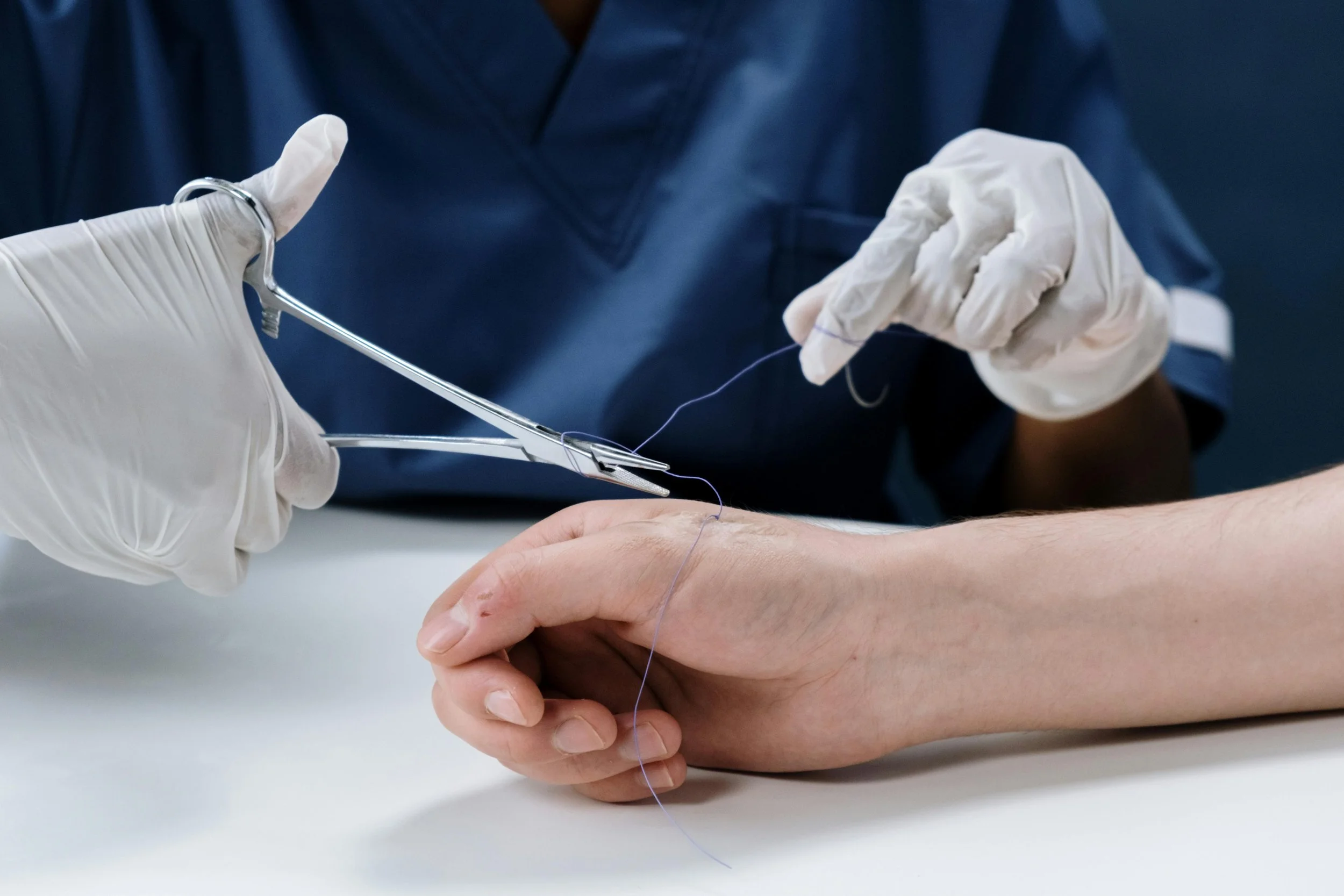
Wounds that fail to heal can affect daily life in many ways. Some wounds linger for weeks or months, while others worsen without proper treatment. Advanced wound care offers a range of technologies designed to address these stubborn cases, improving quality of life. Here is more information about what professional wound care involves, the available technologies, who benefits from them, and what to expect during an appointment:
What Is Professional Wound Care?
Professional wound care is a specialized field focused on treating wounds that do not heal through standard methods. Clinicians assess the wound, and they develop a treatment plan tailored to the patient. This approach addresses factors such as poor circulation, infection, and tissue damage, thereby enhancing the healing process. The goal is to close the wound, reduce complications, and improve the patient’s quality of life. Each plan is adjusted over time based on how the wound responds.
What Advanced Technologies Are Available?
Modern wound care relies on several proven technologies. A specialist selects the right combination based on the type and severity of the wound.
- Surgical debridement: The removal of dead or infected tissue using surgical instruments to promote healthy tissue growth.
- Non-contact, non-thermal ultrasound debridement (ultraMIST): A gentle technique that uses sound waves to clean and stimulate the wound.
- Negative pressure wound therapy: A method that applies controlled suction to draw out fluid and encourage blood flow to the area.
- Compression therapy: The use of specialized bandages or garments to improve circulation and reduce swelling.
- Total contact casting: A custom cast that redistributes pressure away from wounds on the foot, often used for diabetic ulcers.
Who Do They Help?
These technologies benefit patients with wounds that resist standard treatment. People with diabetes may develop foot ulcers, which need specialized care to heal. Those with poor circulation, pressure injuries, or surgical wounds that reopen can also find relief through advanced methods. A specialist will determine which technology suits the individual case after a thorough assessment, and early treatment helps produce better outcomes and fewer complications.
What Does an Appointment Involve?
At the first appointment, a healthcare provider will conduct a thorough assessment of the wound and the patient’s overall health, including reviewing medical history, measuring the wound, and evaluating contributing factors such as blood flow and infection. A care plan is then developed based on these findings. Follow-up visits monitor healing progress, and they allow adjustments to the treatment approach as needed.
The frequency of appointments depends on the severity of the wound, which a specialist will assess. Some patients attend weekly, while others require more frequent monitoring. Wound care teams include health professionals who collaborate throughout the treatment process.
What Are the Benefits?
Advanced wound care accelerates healing in wounds that have stalled. By removing dead tissue and improving circulation, these technologies create conditions that allow the body to repair itself. Faster healing helps reduce the risk of infection, and other serious complications can also be avoided.
Patients may gain practical benefits beyond the wound itself. Reduced pain, improved mobility, and fewer hospital visits contribute to a better daily routine, improving quality of life. A structured treatment plan helps patients with recovery, and medical guidance provides ongoing support.
Consult a Specialist Today
Advanced wound care brings together specialized technologies and clinical expertise to treat wounds that standard methods cannot resolve. Patients with chronic or complex wounds can recover faster, and this helps improve their daily functioning. If you have a wound that refuses to heal, schedule a consultation with a specialist.
