


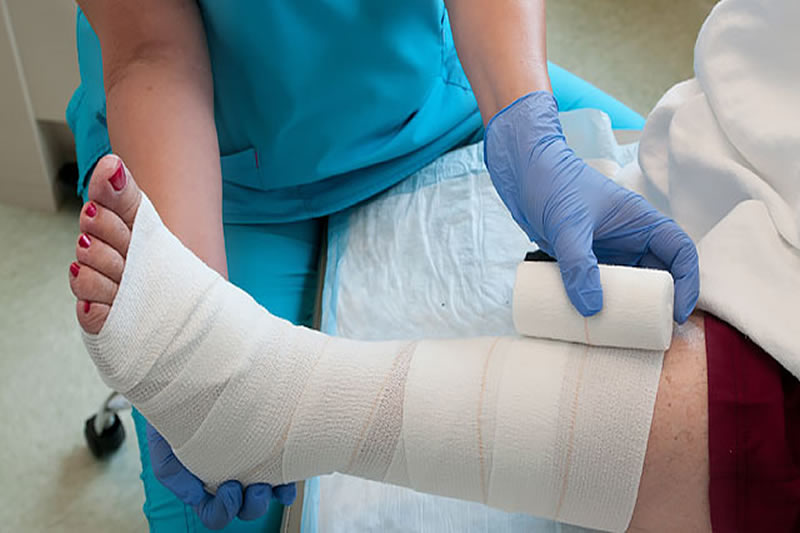
Wound healthcare focuses on the systematic medical evaluation, treatment, and monitoring of skin lesions, injuries, and surgical incisions. The primary goal of wound care is to support the body’s natural tissue repair processes while preventing complications like infection. In some cases, patients develop nonhealing wounds, which are injuries that do not progress through the normal stages of healing. Often stalled in the inflammatory phase, these complex wounds require specialized attention and efficient management strategies to promote structural recovery. Here’s information on wound care services and their key benefits:
Comprehensive Management Plans
Improving wound care efficiency begins with establishing structured protocols to guide clinical teams, from initial assessment through final discharge. Comprehensive management plans outline specific steps for documentation, tissue debridement, moisture balance, and infection control. By standardizing these core procedures, healthcare facilities can reduce variation in care and minimize delays in treatment delivery. Wound care specialists monitor your healing process closely, and they implement evidence-based practices to support tissue recovery. These professionals possess advanced training in the assessment and management of complex, nonhealing wounds.
Clear communication among multidisciplinary teams is a key component of this structured, comprehensive approach. Physicians, nurses, and specialists must share accurate data on wound dimensions, exudate levels, and the condition of surrounding skin. Clinical teams must evaluate the injury thoroughly, so they can then establish a timeline for expected progress. This comprehensive strategy helps all providers involved in a patient’s care understand the current care plan, reducing redundant evaluations and streamlining the overall clinical workflow.
Personalized Treatments
While standardized protocols provide necessary structure, efficient wound care also needs personalized adaptations for each patient’s unique physiological circumstances. A highly exuding wound requires specific absorptive materials, whereas a dry wound necessitates moisture-donating dressings. Factors such as patient age, mobility status, nutritional intake, and skin integrity determine how a treatment plan is customized. By matching treatments precisely to a wound’s current presentation, clinicians promote positive health outcomes. Personalized treatments involve selecting dressings, topical applications, and frequency of care based on the specific characteristics of the wound.
Proactive Condition Management
Comprehensive care plans also address any systemic factors that influence tissue repair and healing rates. Proactive chronic condition management focuses on identifying and mitigating underlying health issues that complicate the healing trajectory. By managing underlying conditions proactively, healthcare teams create a more favorable physiological environment for tissue repair. This comprehensive oversight reduces the likelihood of recurrent wounds and limits the need for extended clinical interventions. Many conditions can severely impede cellular regeneration if left unmanaged, including:
- Vascular Insufficiency
- Diabetes
- Autoimmune Disorders
Addressing these systemic barriers effectively often requires coordination with primary care providers and other relevant specialists.
Visit a Wound Care Specialist
When injuries fail to show signs of improvement despite standard care, you may benefit from seeing a wound specialist. Prompt wound management helps streamline your healing with expert supervision, as they can determine the appropriate interventions to support you. If you have experienced delayed healing, increased pain, or unusual wound discharge, contact a wound care specialist today. A health consultation can assess your injury and determine which personalized treatments will most effectively promote healing.
