


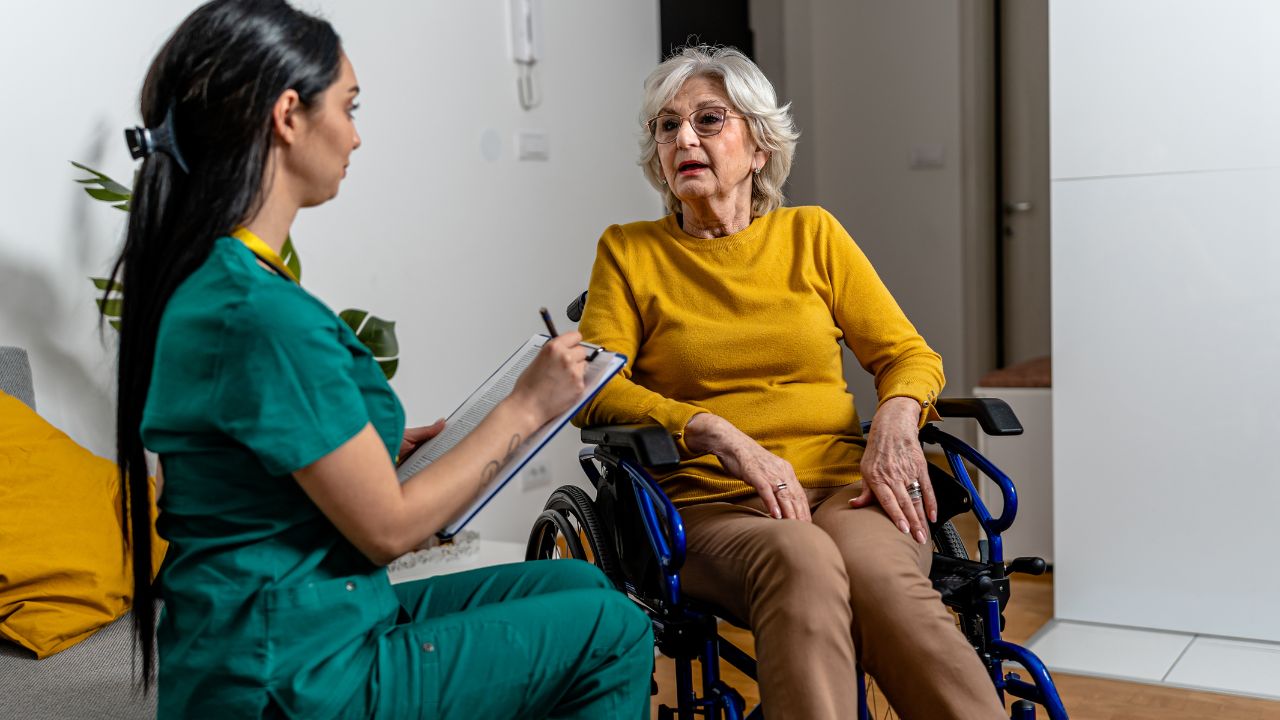
Comprehensive evaluation is a fundamental part of supporting the health, safety, and quality of life of older adults. In geriatrics, this process often involves a detailed review of physical health, cognitive function, and emotional well-being. Understanding the tools and techniques used in geriatrics can help patients, families, and caregivers appreciate how providers develop complete and personalized care plans. Here are some of the key tools and techniques used for comprehensive geriatric assessment:
Measuring Daily Independence
Measuring a patient’s ability to perform routine tasks is a fundamental step in geriatrics. Clinicians use functional tools to assess daily independence levels, as these metrics clearly reveal underlying physical limitations. Here are some of the components physicians assess:
- Basic activities of daily living evaluations test tasks like bathing, dressing, and eating independently.
- Instrumental activities of daily living measurements assess skills such as managing finances, cooking meals, and taking medications.
- Performance-based physical tests assess capabilities like walking speed and grip strength directly in the office.
These functional tools give doctors a clear picture of a patient’s daily capabilities. If an individual struggles with basic activities, the medical team will promptly intervene with supportive care. Practitioners review the test results, and they adjust the personalized care plan accordingly to meet the patient’s needs.
Evaluating Mood and Cognition
Mental health forms a key component of a comprehensive geriatrics assessment. When doctors evaluate cognition, they screen for memory loss and mental confusion using specific psychological questions. Standardized questionnaires test short-term recall abilities, and mood surveys detect early signs of clinical depression.
Cognitive decline impacts a patient’s ability to manage personal hygiene and medical treatments. Providers monitor patients closely to quickly identify new medical issues. They administer specific cognitive tests during the visit, and they analyze the patient’s verbal responses thoroughly.
Behavioral assessments also highlight safety concerns in older adults. If a patient shows mood fluctuations, doctors recommend further psychiatric evaluation immediately. Caregivers report daily behavior patterns to the clinical staff, and the medical team updates the health record accordingly.
Reviewing Health and Mobility
Aging patients often manage several chronic diseases simultaneously. A thorough medication review is a fundamental clinical practice because multiple prescriptions increase the risk of adverse side effects. Here are ways doctors prevent adverse drug effects and test physical mobility to prevent future injuries:
- Detailed medical histories track the ongoing progression of various chronic illnesses over time.
- Standardized gait and balance tests determine the patient’s immediate risk of falling at home.
- Medication reconciliation identifies potentially harmful drug interactions between prescription pills and over-the-counter supplements.
This review helps prevent adverse health events in vulnerable seniors. Once the doctor completes the physical examination, they remove unnecessary medications from the patient’s daily regimen.
Assessing Support Needs
A patient’s living situation can directly affect their overall health outcomes. When clinicians evaluate the home environment, they make sure it is safe for the aging adult. They ask the patient about social support networks, and they determine if the individual needs at-home nursing assistance. Environmental hazards can cause falls and physical injuries among seniors; doctors recommend necessary home modifications, such as bathroom grab bars. Social workers assess the availability of dedicated family caregivers, and they connect patients with local community resources.
Regular social interaction prevents isolation and loneliness among the elderly. Even though medical treatments address physical ailments, social support systems can significantly improve mental well-being. Healthcare providers discuss community programs with the family, and they encourage participation in local senior center activities.
Book Your Geriatrics Appointment Today
A comprehensive geriatrics assessment covers physical, mental, and social health factors comprehensively. If you are thinking about options for senior healthcare, a clinical evaluation provides clear medical guidance. The process highlights specific physical vulnerabilities, and it establishes a highly personalized treatment strategy. Contact a qualified healthcare provider in your area to book your geriatrics appointment today.
