


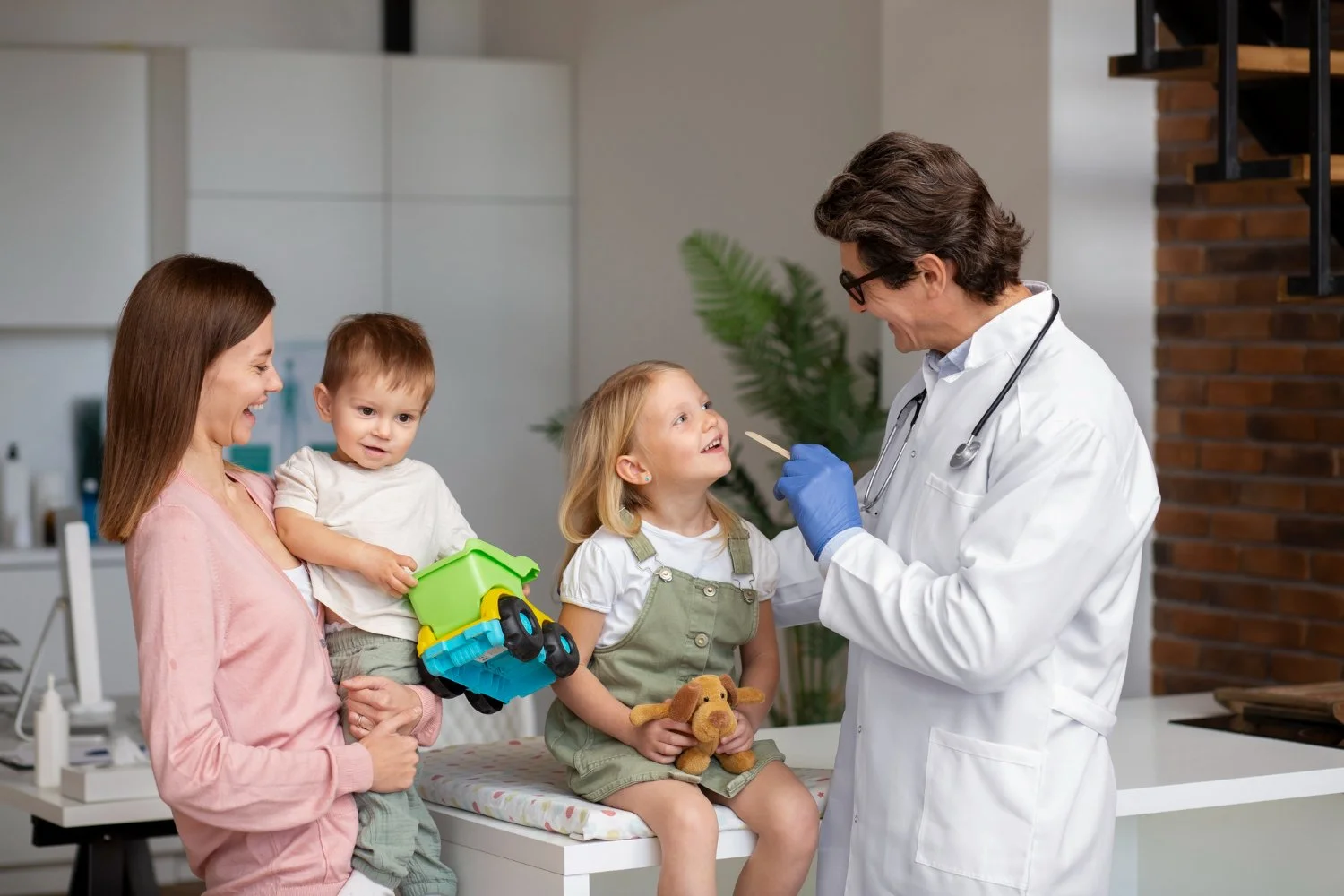
Pediatric patients are infants, children, and adolescents, and when these individuals face unexpected illnesses, they sometimes need urgent care services. Because regular clinics close on weekends, pediatric walk-in clinics help families when primary care is unavailable. Urgent care is for conditions that are not life-threatening but are urgent enough that they cannot wait for a primary care appointment. Here is more information about urgent care for pediatric concerns:
Understanding Patient Needs
Pediatric urgent care focuses on the developing systems of children. Young patients react differently to medications, and they may require specialized medical equipment or training. Doctors at these facilities understand child development and risk factors that primarily affect children.
Children’s care in clinics requires meticulous attention to their unique physiological needs; medication dosages must be carefully calculated based on weight and age to avoid underdosing or overdosing. Clinicians understand that children may express symptoms differently than adults, often requiring skilled observation and communication with both the child and their caregivers. Creating a comforting and child-friendly environment can reduce anxiety and improve the overall care experience.
Recognizing Medical Symptoms
Parents bring their children to medical facilities when mild ailments become worse or do not improve with home care. You can visit a clinic for minor injuries, and doctors treat sudden illnesses, such as strep throat or pneumonia. Caregivers can watch for behavioral changes such as lethargy and unusual fussiness.
Respiratory issues drive many families to seek prompt medical attention. A mild cough can escalate into breathing difficulties, and these situations require professional evaluation. While a simple cold runs its course, severe congestion needs medical intervention.
While physical injuries are common in childhood, some do require care at a medical facility. Kids fall on playgrounds, and they sustain minor fractures or sprains. A local clinic can take X-rays of the affected area to diagnose any issues.
Here are some common childhood issues that urgent care can treat:
- Minor cuts requiring stitches
- Animal bites
- Sports injuries
- Sprained ankles
If a child is experiencing uncontrollable bleeding or has a fever that does not reduce with medication, seek emergency medical attention at a hospital.
Enjoying Care Benefits
Walk-in clinics offer extended operating hours, and this flexibility accommodates busy family schedules. Some primary doctors are booked out for weeks. Walk-in clinics provide treatment when you need it. Children may fall ill on the weekend when primary care clinics are closed. Urgent care is available at times when primary care may not be.
Preparing Necessary Paperwork
Before they leave the house, caregivers should gather all necessary medical documents. Having the right paperwork speeds up the registration process, and it helps doctors understand the medical history. Your clinic needs accurate records.
Pack these basic items in your bag:
- Insurance cards
- List of current medications
- Photo identification
- A comfort item for the child
Medical professionals need a comprehensive view of your child. Be prepared to discuss any relevant past illnesses or surgeries, and you should note any allergies. When the staff reviews this background information, they prevent dangerous drug interactions.
Find Pediatric Urgent Care Today
Pediatric walk-in clinics are an alternative when primary care doctors are unavailable. These specialized facilities cater to young patients, and they treat a wide variety of minor ailments. Knowing what to bring makes the visit much smoother. If you want to learn more about when to use pediatric urgent care, consult your healthcare provider.
