


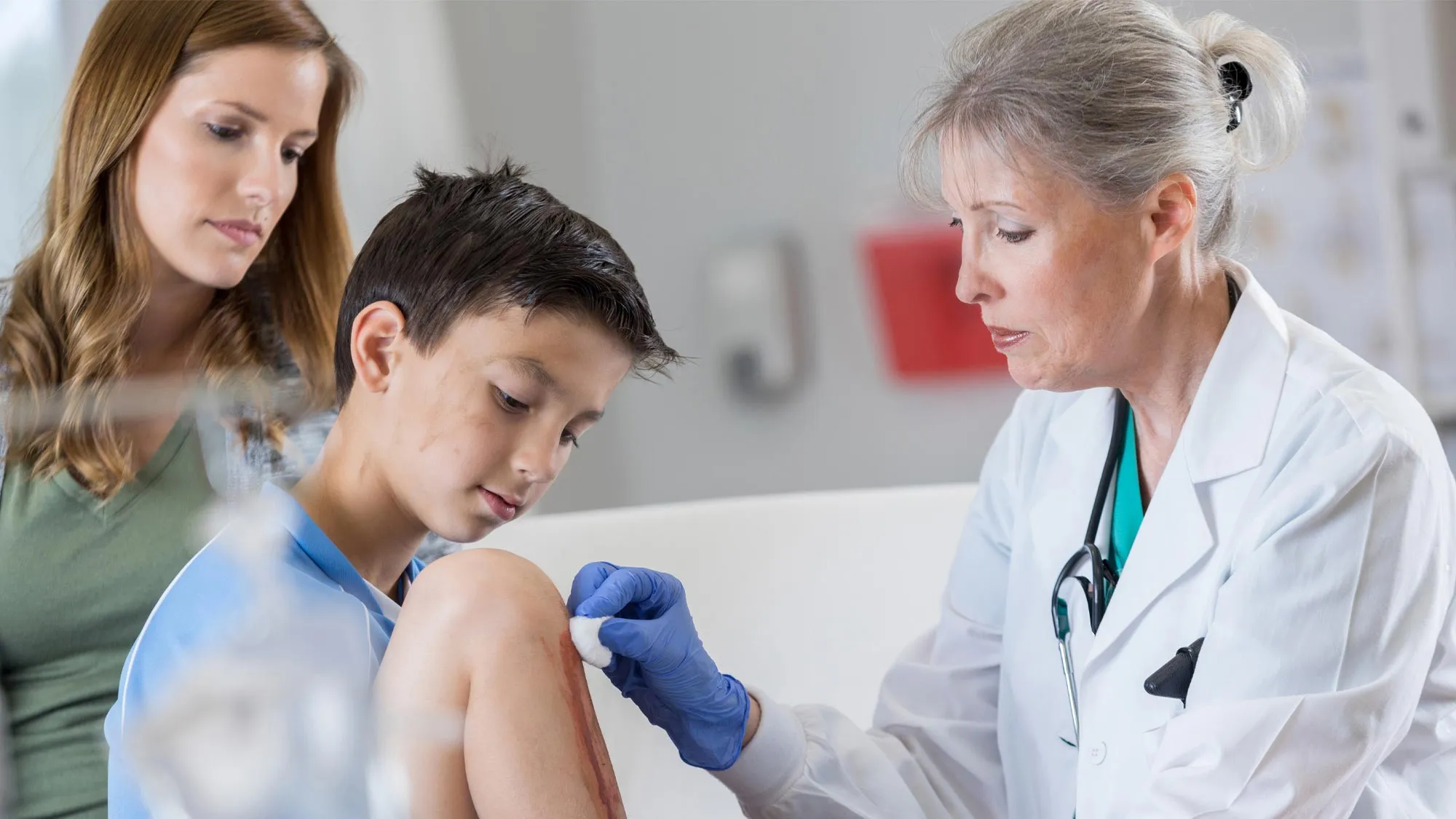
Medical events sometimes happen outside of standard clinical hours. Urgent care clinics offer same-day appointments, and telehealth enables individuals to receive care from their own homes. When individuals experience sudden medical issues, these facilities deliver prompt clinical interventions. Here is more information on managing non-life-threatening conditions:
What Is Urgent Care?
Urgent care is a category of walk-in clinical medicine focused on delivering ambulatory care. These medical centers treat conditions requiring immediate attention, but they do not handle life-threatening emergencies. Hospital emergency rooms prioritize critical patients, so urgent care centers may provide a faster alternative for minor ailments.
What Are the Available Services?
These clinics provide a broad spectrum of medical services for their patients. Clinicians perform diagnostic tests, and they administer treatments for various minor illnesses and injuries. These facilities house specialized equipment, enabling medical staff to deliver comprehensive care efficiently. Typical services offered at these facilities include:
- X-ray imaging for suspected bone fractures
- Laboratory testing for strep throat and influenza
- Suture application for minor lacerations
- Intravenous fluid administration for dehydration
- Splinting and casting for minor orthopedic injuries
Facilities may also offer preventative medical services alongside their acute care options. Patients can receive routine vaccinations and occupational health screenings. When individuals require a sports physical or a pre-employment medical exam, an urgent care center provides an accessible venue.
What Are Non-life-threatening Conditions?
Non-life-threatening conditions are medical issues that require prompt care but do not pose an immediate risk of death or severe permanent disability. These ailments cause significant discomfort, and they disrupt daily activities. While these conditions warrant clinical evaluation, they do not necessitate the advanced life-saving interventions found in a hospital trauma center.
Patients benefit from understanding the difference between urgent and emergency medical situations. A non-life-threatening condition generally involves stable vital signs, and the patient remains conscious and alert. If an individual sustains a minor injury, a clinician can safely manage the situation in an outpatient setting.
What Are the Different Types?
Medical professionals categorize non-life-threatening conditions into several distinct clinical groups. Symptoms vary widely, so clinicians approach each presentation with a specific diagnostic protocol. Acute infections represent a major category, and musculoskeletal injuries form another segment of patient visits. Additional categories of non-life-threatening conditions include:
- Respiratory ailments like bronchitis and sinus infections
- Minor trauma, such as sprains, strains, and contusions
- Dermatological issues, including rashes and minor burns
- Gastrointestinal distress, such as mild nausea and vomiting
- Urinary tract infections presenting with localized pain
Clinicians can also evaluate mild allergic reactions that do not involve respiratory distress. When an individual sustains a minor animal bite, a healthcare provider cleans the wound and assesses the risk of rabies.
How Can Urgent Care Help?
These centers streamline the diagnostic and treatment process for patients. Upon arrival, staff members record vital signs, and a provider conducts a thorough physical examination. The clinics use integrated electronic health records, and they can share visit summaries with a patient’s primary care physician.
Providers prescribe appropriate medications to manage symptoms and cure underlying infections, and they may send electronic prescriptions to local pharmacies for patient convenience. If a condition requires further specialized evaluation, the clinician may issue a formal referral to an appropriate specialist. Consulting a healthcare professional helps determine what can be done for each situation.
Seek Professional Care Today
Addressing non-life-threatening medical conditions promptly helps prevent complications, and it may promote faster recovery. Urgent care facilities offer accessible, comprehensive medical evaluations for individuals experiencing sudden illness or minor injuries. Visit your local urgent care center today for immediate clinical attention to your medical needs.
