


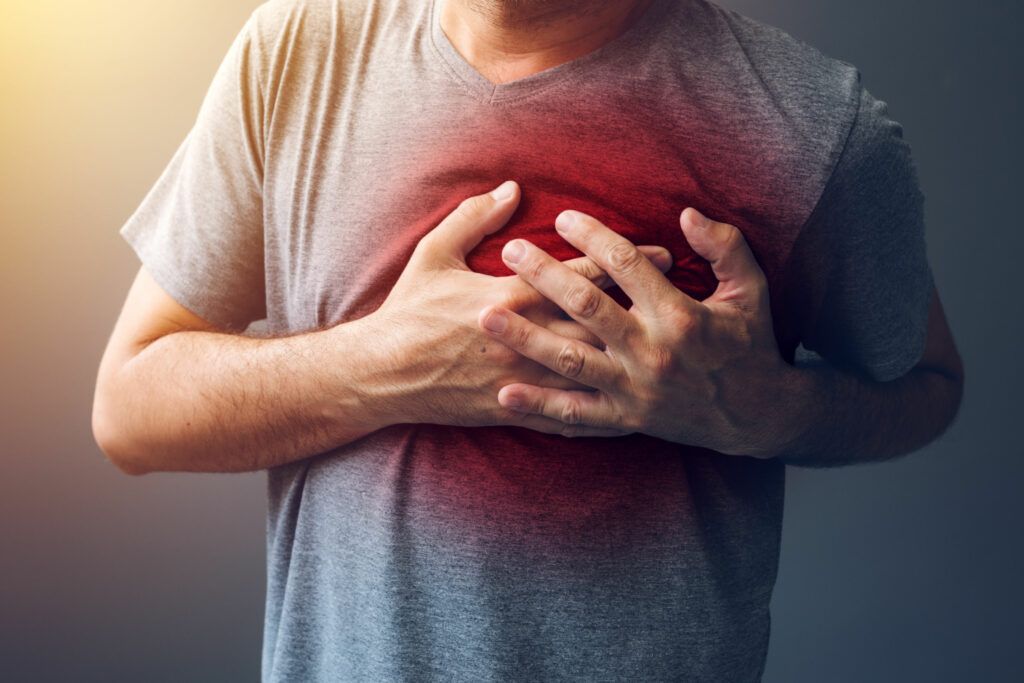
Chest pain includes discomfort felt between the neck and the upper abdomen, and it ranges from mild pressure to sharp, stabbing sensations. Some causes relate to the heart, while others stem from other organs. Some conditions are benign and easy to treat. Individuals should understand when they need to visit a medical professional for treatment.
Pericarditis
Pericarditis is the inflammation of the pericardium, the thin sac that surrounds the heart. The pain often feels sharp, and it tends to worsen when a person lies flat or takes a deep breath. Viral infections are a frequent trigger, though autoimmune disorders and recent heart surgery also play a role. Sitting upright and leaning forward often eases the chest pain for many patients.
The condition can resolve within a few weeks, and most cases respond to anti-inflammatory medication. A physician confirms pericarditis through an evaluation and targeted testing. Untreated inflammation sometimes leads to fluid buildup around the heart, so early evaluation reduces that risk.
Premature Ventricular Contractions
Premature ventricular contractions, or PVCs, are extra heartbeats that begin in the lower chambers of the heart. A person may notice a fluttering sensation, a skipped beat, or a brief thump in the chest. PVCs occur in many healthy adults, and common triggers include caffeine, stress, fatigue, and low potassium levels. Isolated PVCs rarely signal a serious problem.
Frequent PVCs sometimes point toward an underlying heart condition, so a cardiologist may order monitoring to track their pattern. A take-home monitor records heart activity over a day or two, and the data helps the physician decide whether treatment is needed. Lifestyle adjustments resolve mild cases for many individuals.
Aortic Dissection
Aortic dissection is a tear in the inner layer of the aorta, the large artery that carries blood from the heart. The pain often arrives suddenly, and it is usually described as a tearing or ripping sensation. This condition is a medical emergency because the tear can disrupt blood flow to organs.
Men over the age of 60 face a higher likelihood, though the condition can affect anyone with weakened arterial walls. A diagnosis is confirmed through imaging such as a CT scan or an MRI. Surgeons repair the damaged section to restore normal blood flow, so speed matters in these cases.
Genetic conditions, such as Marfan syndrome, also raise the chance of a tear, and managing blood pressure lowers that risk over time. Symptoms may include fainting, weakness on one side of the body, or a difference in pulse between the two arms. Anyone with these signs needs immediate care.
When to Seek Help
Certain symptoms warrant emergency attention, and recognizing them quickly can change the outcome. Chest pain that spreads to the arm, jaw, or back, especially when with shortness of breath, requires immediate emergency services. Sweating, nausea, and dizziness alongside the pain raise further concern. These combinations often indicate a heart-related event.
Pain that lasts more than a few minutes or returns repeatedly deserves a prompt medical review. A physician can distinguish between muscular strain and a cardiac cause through targeted testing. Mild, brief discomfort that fades with rest may still merit a scheduled checkup.
Learn More About Chest Pain
Chest pain can occur through many different conditions, and many are benign. Some conditions require specific care because they’re emergencies that may be life-threatening, so knowing when to visit an emergency clinic helps individuals act in a timely manner. There are many conditions related to the heart. Contact a healthcare provider to discuss any symptoms you’re experiencing to begin a personalized evaluation.
