


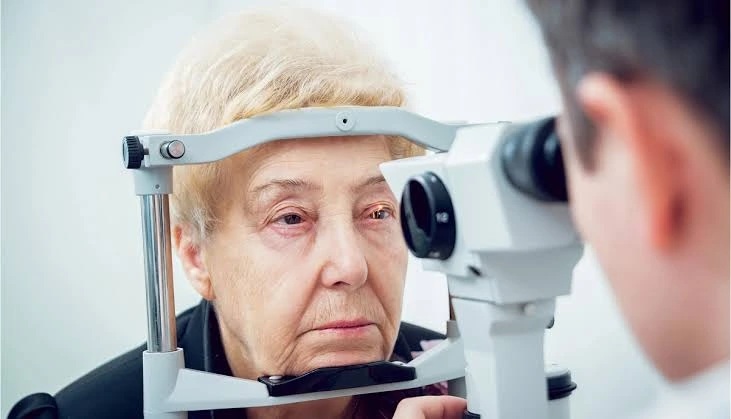
Macular disease or degeneration refers to conditions that affect the macula, the central part of the retina responsible for detailed vision. Misunderstandings about macular degeneration may cause people to overlook early changes, delay eye examinations, or assume vision loss is unavoidable. Here is more information on some common misconceptions about macular disease and vision loss:
Separating Disease From Aging
Aging gradually changes vision, and macular disease is not a normal part of getting older. Common age-related changes include needing more light to read or taking longer to adjust from bright to dark rooms. Macular degeneration affects the center of your visual field in a distinct pattern. When straight lines appear wavy, or a blurry spot develops in your central vision, these signs indicate something beyond typical aging. Understanding this distinction is a key step toward getting the right care. Older adults often assume that fading vision means they must accept it without question. That assumption can delay a proper evaluation; early attention often gives eye specialists more options to work with.
Correcting Vision Loss Misconceptions
False beliefs about macular disease can cause needless worry or, worse, lead people to ignore real symptoms. Some assume the condition always leads to complete blindness, while others believe nothing can be done once a diagnosis arrives. Here are some common misconceptions about macular degeneration:
- It causes total blindness: The condition affects central vision, but peripheral, or side, vision usually remains, so complete darkness is not the typical outcome.
- Only very old people get it: Age is a factor, but family history, smoking, and other elements also play a role across different age groups.
- Nothing helps once you are diagnosed: Several approaches exist to slow progression or support daily function, depending on the type and stage.
- Reading in dim light causes the disease: Poor lighting may strain your eyes temporarily, but it does not create the disease.
Understanding the facts is fundamental for better disease management and prevention strategies.
Understanding Diagnosis and Monitoring
Eye specialists use several tools to diagnose macular disease. A comprehensive eye exam checks your central vision, while imaging tests capture detailed pictures of the retina. Regular monitoring matters because the condition can change over time, and tracking those changes guides the care plan your doctor recommends. Here are common methods eye specialists use to detect and monitor macular degeneration:
- Dilated eye exam: Drops widen the pupil so the doctor can view the retina and macula clearly.
- Amsler grid test: A grid helps you detect wavy or missing areas in your central vision.
- Optical coherence tomography (OCT): This imaging scan produces cross-section pictures of the retina without any needles.
- Fluorescein angiography: A dye highlights blood vessels in the retina, revealing leakage or abnormal growth.
These methods, used together, give your care team a comprehensive picture of your eye health.
Exploring Vision Support Options
Care for macular disease depends on the specific type and the extent of progression, so no single plan is suitable for everyone. Eye specialists tailor their recommendations to your situation, and they may combine medical care with practical support for daily living. Vision support tools can make everyday tasks more manageable. Magnifiers, brighter task lighting, and large-print materials can help people continue reading and hobbies. Assistive technology reads text aloud or enlarges screens. Occupational therapists also teach techniques that use your remaining vision more effectively, and this guidance supports your independence at home.
Schedule Your Macular Disease Evaluation
Macular disease is a specific condition, distinct from normal aging, and understanding it helps reduce misconceptions about vision loss. Maintaining eye health while managing macular degeneration requires a proactive approach. This combines medical evaluation, lifestyle adjustments, and assistive strategies to maximize remaining vision. Contact a qualified eye specialist near you to schedule your macular disease evaluation today.
