


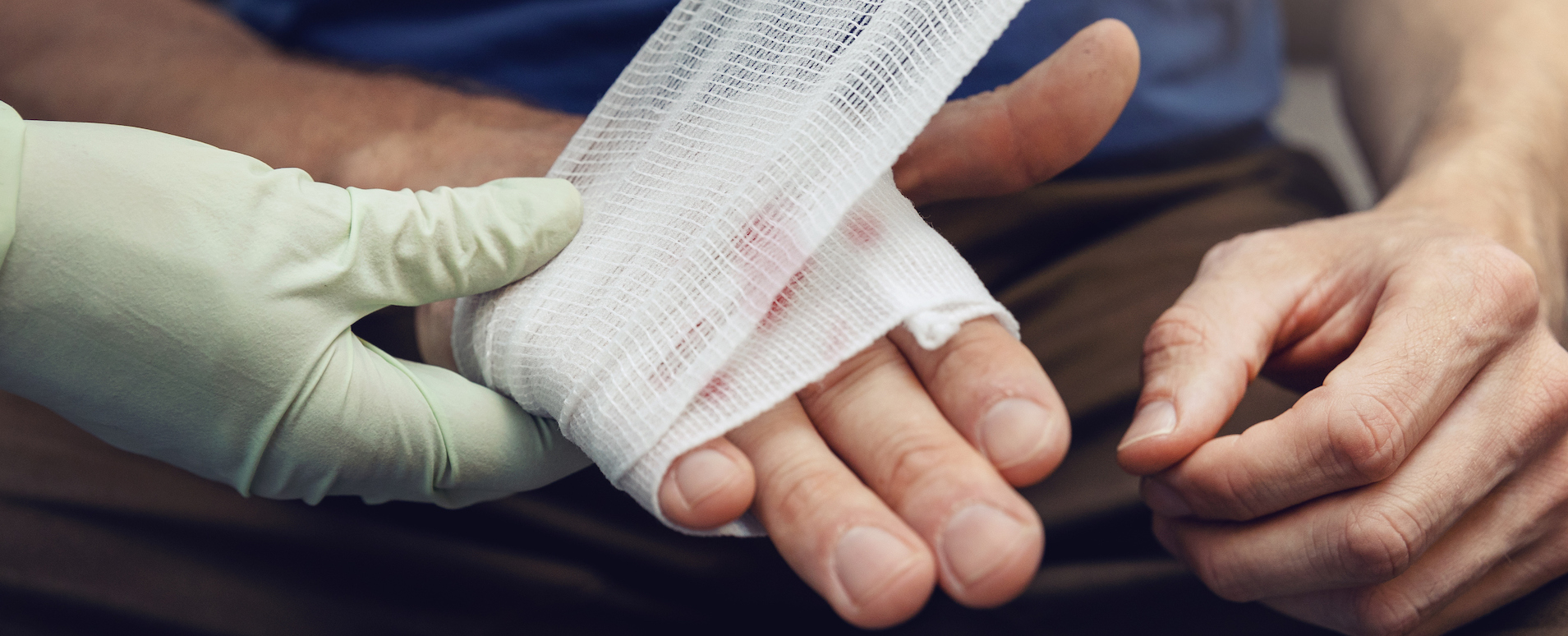
Wound care is a key component of recovery for patients undergoing vein and aesthetic care. Proper management promotes healing, and it helps prevent complications. Effective wound care at home involves cleaning the affected area, applying appropriate dressings, and monitoring for signs of infection. Professional guidance helps tailor these treatments to individual needs, facilitating proper healing. Here is more information on chronic wounds and how to care for them at home:
What Are Chronic Wounds?
Chronic wounds are injuries that fail to progress through the normal stages of healing. These injuries may remain open for more than a month, and they require specialized wound care. Because the healing process stalls in the inflammatory phase, the tissue does not regenerate normally. Medical professionals classify these injuries based on their underlying triggers and physical characteristics. Effective wound care addresses the unique biological needs of these persistent injuries. Consistent treatment protocols help manage moisture levels, and they protect the delicate new cells forming in the wound bed.
What Causes Them?
Underlying medical conditions contribute to the development of slow-healing injuries. Venous ulcers typically form on the lower legs because poor blood circulation damages the tissue. Blood pools in the veins, and the increasing pressure eventually breaks down the skin. These specific ulcers may present with irregular borders and a shallow depth.
Diabetic ulcers represent another common cause of chronic skin breakdowns, and high blood sugar levels damage nerves and blood vessels over time. Since patients may lose sensation in their feet, minor cuts go unnoticed until they become severe. Prompt attention to these underlying systemic issues supports the local treatment of the injury.
What Does Wound Care Involve?
Basic management starts with preparing a clean environment for dressing changes. Carefully removing the old bandage prevents damage to the newly formed tissue, and saline solution gently cleans the area. The next step involves applying the prescribed medical dressing. The chosen material depends on the amount of drainage and the depth of the tissue defect. While some products add moisture to a dry environment, others absorb excess fluid. Securing the bandage properly keeps contaminants out, and it maintains a stable temperature for cell growth.
What Are Helpful Practices?
Maintaining a consistent daily routine creates an environment conducive to tissue repair, and inspecting the affected area at every dressing change helps patients detect early signs of infection. If a patient notices increased redness, swelling, or a noticeable change in odor, they should contact a doctor. Documenting these observations provides valuable data for the healthcare provider.
Nutrition also plays a role in the body’s ability to repair itself. Consuming adequate protein facilitates new cell creation, and staying hydrated keeps the skin supple. Elevating the legs while resting reduces swelling, which is beneficial for managing venous ulcers. These supportive habits can accelerate the overall recovery timeline.
How Is Professional Guidance Beneficial?
Working with a clinical specialist brings expertise to daily management routines. Providers assess progress and adjust protocols when healing stalls. Additional benefits include:
- Accurate identification of the specific ulcer type for targeted therapies
- Prescription of specialized medical-grade dressings
- Thorough debridement of dead tissue to stimulate healthy cell growth
- Early detection and prompt medical intervention for localized infections
- Development of a comprehensive plan addressing underlying conditions
Learn More About Wound Care
Understanding the clinical aspects of tissue repair helps you manage your health effectively. Consistently applying these practices at home promotes better outcomes, and a structured routine helps minimize complications. If you have a chronic wound, consult a healthcare professional for personalized guidance.
