


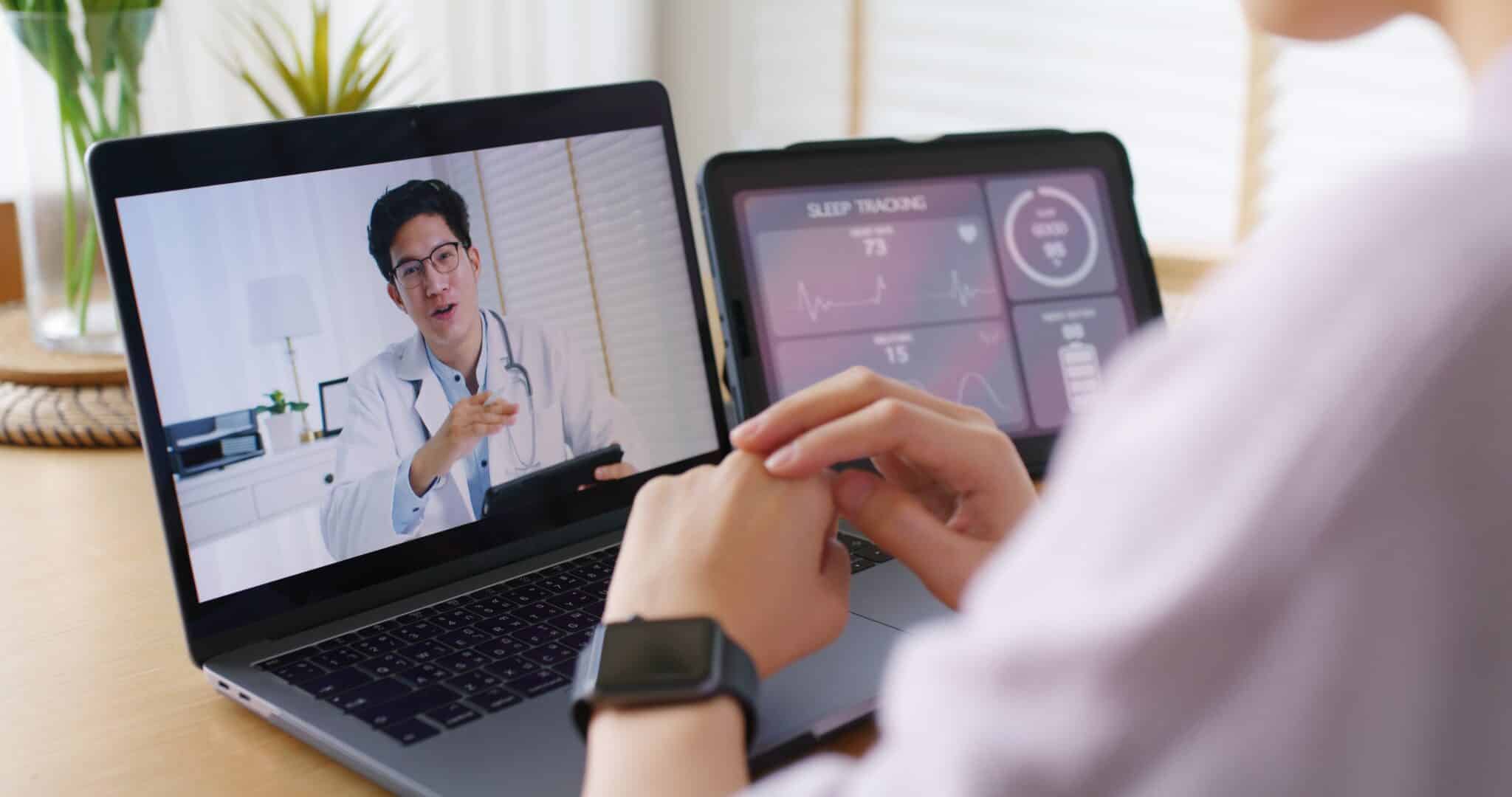
Telehealth uses phones, computers, tablets, and secure online platforms to connect patients with healthcare professionals from a distance. For rural communities, this model offers a practical way to handle certain appointments without extensive travel to a clinic or hospital. It may not replace every in-person visit, but it gives patients and providers another option for communication, follow-up, education, and care coordination. Here’s more information about telehealth and how it aids rural communities:
Defining Telehealth Basics
Telehealth is provided using a virtual platform. A clinic may provide a patient portal, a video link, or a phone-based system for scheduled appointments. During the visit, the patient and provider speak in real time. The provider may review records, ask questions, explain next steps, or decide whether an in-person visit is needed.
For the setup, a patient needs an internet connection or phone service, a device, and clear instructions from the provider’s office. Some visits use video; others prefer phone calls or secure messages. The right format depends on the reason for the appointment, the available technology, and the provider’s process.
Telehealth can work well when both sides prepare properly. Patients should confirm the appointment time, test their device, and keep any requested information nearby. Providers should explain how to join the visit and what to do if the connection fails.
Connecting Rural Providers
Rural communities may have fewer clinics, fewer specialists, and longer distances between services. Telehealth helps address that distance by creating a direct communication channel between patients and healthcare teams. A local clinic may also use telehealth to coordinate with professionals in larger medical centers. This connection supports several practical tasks. Providers may:
- Review routine concerns
- Discuss test results
- Answer questions about instructions
- Provide follow-up after an in-person visit
Telehealth also supports coordination among care teams. A primary care office, specialist, and patient may share updates through secure systems. This structure helps keep information organized, and it reduces the need for repeated travel when a digital discussion is suitable.
Reducing Distance Barriers
Travel can create a key challenge for rural residents. A short appointment sometimes requires hours on the road, time away from work, or help with transportation. Weather and road conditions may add more barriers, but telehealth reduces some of these logistical demands. A patient may complete a suitable visit from home, a workplace, a local clinic, or a community site with internet access. This approach saves travel time and makes scheduling more practical for routine communication.
Preparing Digital Visits
Preparation can make telehealth visits more organized and useful. Before the appointment, patients should review the clinic’s instructions and gather basic information. Steps may include:
- Testing the phone, computer, camera, microphone, or app before the visit.
- Choosing a quiet location with a stable connection.
- Keeping identification, insurance details, and relevant notes nearby.
- Writing down questions or topics to discuss.
- Asking the clinic what to do if the call disconnects.
These steps help the appointment stay focused. They also allow the provider to use the scheduled time well. If the provider needs a physical exam, imaging, lab work, or urgent evaluation, the patient may receive instructions for an in-person visit.
Ask Your Provider About Telehealth
Telehealth provides rural communities with a practical tool for reducing distance-related barriers and improving access to certain healthcare services. It supports communication, follow-up, care coordination, and referrals when a digital visit fits the situation. If you live in a rural area, contact your healthcare provider to ask which telehealth services are available and how to schedule your first digital visit.
