


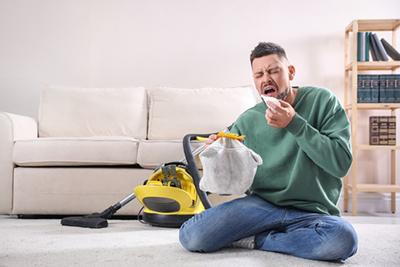
Allergies affect lots of people, but many never identify the specific triggers in their own homes or neighborhoods. While sneezing, itchy eyes, and congestion are typical signs, the sources may be hidden in plain sight. You may be reacting to something outdoors, inside your walls, or even your beloved pet. Here is more information on identifying allergens in your environment:
Check Pollen Levels
Pollen counts fluctuate by season, region, and even time of day. Trees release pollen heavily in spring, grasses peak in summer, and ragweed dominates in late summer through fall. Since pollen travels through open windows and on clothing, it enters your home easily, leading to allergies. Check your local air quality index daily, since high-pollen days often worsen respiratory symptoms.
Look for Dust Mites
Dust mites thrive in warm, humid spaces, and they are one of the most common indoor allergens. They live in mattresses, pillows, carpets, and upholstered furniture. Washing bedding in hot water kills dust mites effectively. Allergen-proof mattress covers and regular vacuuming with a HEPA filter reduce their numbers significantly.
Use these steps to reduce dust mite exposure:
- Wash all bedding weekly in hot water
- Replace carpets with hard flooring where possible
- Keep indoor humidity low
- Use allergen-proof covers on pillows and mattresses
Dust mites are microscopic, so you cannot see them with the naked eye. Their waste particles become airborne and trigger reactions when inhaled. A dehumidifier helps control moisture levels, which directly limits their population growth.
Identify Mold Spores
Mold grows wherever moisture collects, including bathrooms, basements, and around leaky pipes. Spores become airborne and can be inhaled before you notice visible mold. Since mold reproduces quickly in damp conditions, even small leaks deserve prompt attention. Inspect grout lines, window seals, and ceiling corners regularly for discoloration or musty odors.
Fixing moisture sources stops mold from spreading further. Use an exhaust fan in bathrooms and run it for at least 20 minutes after showering. If visible mold becomes a problem, a professional remediation service is the appropriate next step.
Outdoor mold spores peak in warm, wet weather and attach to shoes and clothing. Leaving shoes at the door and changing clothes after spending time outdoors limit spore transfer. Air purifiers with HEPA filters trap airborne spores and reduce indoor concentrations.
Minimize Pet Dander
Pet dander consists of tiny flakes of skin shed by animals with fur or feathers, and it stays airborne for hours. Cats, dogs, rabbits, and birds all produce dander that triggers allergic reactions in sensitive individuals. Bathing pets weekly reduces the amount of dander they release into your environment. Keeping pets out of bedrooms creates at least one low-allergen space in your home.
Typical sources of pet allergens include:
- Pet bedding and blankets
- Furniture where pets rest
- Carpets and rugs
- Vents for heading and cooling
HEPA air purifiers placed in rooms where pets spend time lower airborne dander levels measurably. Grooming pets outdoors further reduces the amount of dander that settles inside. Frequent cleaning of surfaces where pets rest typically makes a noticeable difference over time.
Get Checked for Allergies
Identifying allergens in your environment is a strong first step, but professional testing confirms exactly what triggers your immune response. An allergist uses skin prick tests or blood tests to identify specific sensitivities. As reactions differ from person to person, a personalized diagnosis guides more targeted management. Make an appointment with an allergist today and bring a written list of your symptoms and suspected triggers.
