


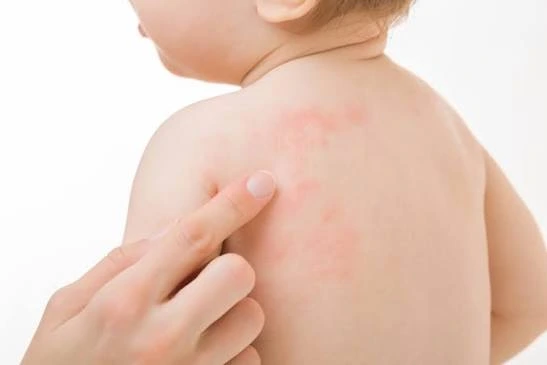
Drug allergies in children occur when the immune system reacts abnormally to a medication, necessitating professional intervention. Symptoms range from mild skin rashes to severe anaphylaxis, and treatment may include antihistamines, corticosteroids, or epinephrine. Early recognition and prompt medical attention are key to protecting a child’s health. Here is more information on how to recognize and treat drug allergies in children:
What Are Drug Allergies?
Drug allergies are immune system responses to a medication. Unlike a side effect, which is a predictable reaction based on the drug’s properties, an allergic reaction is triggered when the immune system treats the drug as a foreign threat. Not all adverse reactions to medication are allergies; some are intolerances or side effects, which are distinct from true immune-mediated responses.
What Causes Them?
Any medication has the potential to cause an allergic reaction, though some are more commonly associated with allergies than others. Antibiotics are common causes, as well as nonsteroidal anti-inflammatory drugs (NSAIDs) like ibuprofen, anticonvulsants, and chemotherapy agents. The immune system produces antibodies against the drug, and on re-exposure, these antibodies trigger the release of chemicals that cause allergic symptoms.
Genetics can play a role in a child’s likelihood of developing a drug allergy, with a family history of drug allergies potentially increasing a child’s susceptibility. Family history does not guarantee a reaction will occur. Prior exposure to a medication is often required for a true allergic response to develop; a reaction may not appear on the first dose.
How Do They Affect Children?
Symptoms of a drug allergy in children typically appear within a few minutes of taking the medication. Skin reactions are a common presentation. These include hives, rashes, and swelling, particularly around the face and throat. More severe reactions affect multiple body systems at once:
- Respiratory symptoms: wheezing, shortness of breath, or a tight feeling in the chest
- Cardiovascular symptoms: rapid heartbeat, dizziness, or fainting
- Gastrointestinal symptoms: nausea, vomiting, or abdominal cramping
Anaphylaxis is the most dangerous form of drug allergy reaction. It develops rapidly and requires immediate medical attention. Signs include throat swelling that makes swallowing or breathing difficult, a sudden drop in blood pressure, and loss of consciousness. Recognizing these signs is key to prompt treatment.
What Are the Treatment Options?
Treatment depends on the severity of the allergic reaction. For mild to moderate reactions, antihistamines are commonly prescribed; they relieve itching, hives, and swelling by blocking the effects of histamine released during the immune response. Corticosteroids may be used to reduce inflammation, particularly when symptoms are more widespread or persistent.
For severe reactions, epinephrine is necessary, and it is prescribed by a healthcare professional. Administered via auto-injector, epinephrine rapidly reverses the symptoms of anaphylaxis by constricting blood vessels and relaxing the muscles in the lungs. Children with a known history of severe drug allergies are typically prescribed an epinephrine auto-injector to carry at all times. The prescribing physician may advise avoiding the drug that caused the reaction.
Recognize Your Child’s Allergies
Drug allergies in children range from minor inconveniences to life-threatening emergencies, and they require professional guidance to manage properly. Understanding what causes these reactions, recognizing the symptoms early, and knowing the available treatment options helps you protect your child. If you suspect your child has had an allergic reaction to a medication, consult a healthcare professional promptly.
