


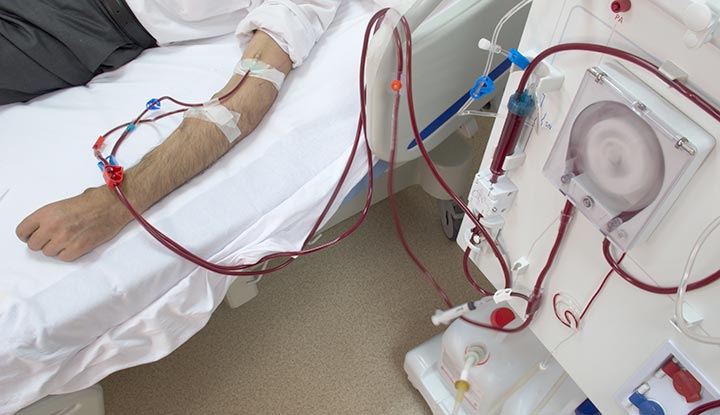
Dialysis access is the point on your body where blood leaves and returns during hemodialysis treatment. Your access works as a lifeline, so keeping it healthy supports the treatment you depend on. Knowing what a problem looks like helps you respond quickly when something changes. Here are some signs your dialysis access needs medical attention:
Infection Symptoms
Early recognition of an access site infection can help prevent more serious complications. Contact your care team immediately if you notice any of the following warning signs:
- Redness or swelling around the access site
- Skin that feels warm to the touch
- Discharge that is clear, yellow, or pus-like
- Pain or tenderness that worsens over time
- Fever, which can indicate the infection is spreading
Catheter users have a higher risk of infection because the device creates a direct entry point through the skin. Watch for any of these symptoms, and seek medical help without delay if they appear. Untreated infections can travel into your bloodstream and lead to more serious health problems.
Clotting or Poor Circulation
Clotting or poor circulation affects the effectiveness of dialysis access and your overall health. A healthy fistula or graft produces a steady vibration, called a thrill, along with a whooshing sound, called a bruit. Place your fingers over the access each day, and listen for that familiar hum. When the thrill weakens or stops, blood flow may have slowed or clotted.
Swelling in the arm or hand near the access points to a possible blockage. Skin that feels cool or looks pale also suggests circulation has dropped. A weak or missing pulse below the access is another warning. Some people notice their hands tingling, cramping, or losing strength. Clotting occurs quickly, and a blocked access often requires treatment within hours to restore flow. Regular dialysis appointments allow your care team to monitor access function and address concerns before they interfere with treatment.
Physical Trauma
Your access is close to the surface, where bumps and knocks easily reach it, so even a minor injury can cause problems. Bruising that spreads or darkens may mean a vessel underneath has been damaged. Bleeding that does not stop with gentle pressure calls for immediate medical help. Sudden changes in the shape, size, or firmness of the access also deserve attention. Protect the access by avoiding tight sleeves and heavy lifting on that arm. When trauma occurs, and you are unsure how serious it is, contact your provider rather than waiting it out.
Learn More About Dialysis Access
Your dialysis access plays a key role in keeping your treatments safe and effective, so paying attention to changes makes a difference. Infections, reduced blood flow, clots, and injuries can worsen quickly if not addressed. Check your access regularly and know what is normal for you. Be sure to report any unusual signs to your care team as soon as possible. Quick action helps prevent serious problems and protect your access. Consistent monitoring also confirms your access continues to support your dialysis treatments. Contact a vascular specialist today to learn more about dialysis treatments.
