


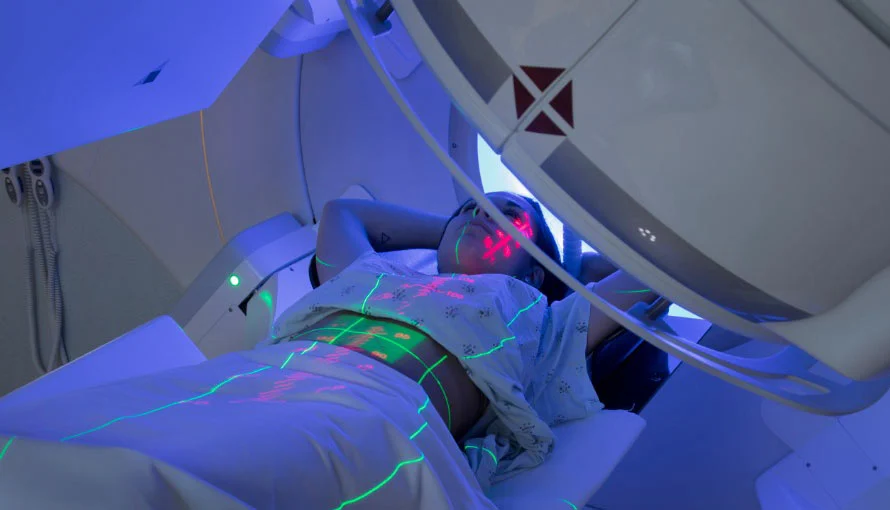
Radiation therapy is a treatment method that uses carefully directed radiation to target specific areas of the body; it is commonly used in cancer care. Rather than occurring as a single event, it typically follows a planned series of steps that include evaluation, mapping, delivery, and follow-up review. Treatment teams rely on detailed imaging and precise measurements to guide each stage of the process. Here’s information about this treatment method and how it works:
Defining Radiation Therapy
During radiation treatments, a trained provider uses high-energy beams or particles to treat a targeted area. The radiation is delivered in a controlled way, and it is shaped around the size, location, and outline of the treatment site. This process relies on equipment and imaging systems that help guide each session.
Radiation therapy often takes place over multiple sessions rather than one visit; this schedule is called a course of treatment. The number of sessions, timing, and duration depend on the treatment plan created in advance. There are also different forms of this therapy, including external beam and internal radiation therapy. Some treatment plans use one form; others follow a different setup based on the clinical situation.
Explaining the Planning Process
Before treatment begins, the care team completes a planning stage that may include imaging studies, measurements, and a simulation appointment. During simulation, the team identifies the exact area to be treated and records the patient’s body position; this allows each session to be reproduced consistently. The planning process also involves mapping nearby tissues and defining the treatment field with precision. Specialists can then use specialized software to calculate radiation angles, dose patterns, and beam paths. This step is key because radiation therapy relies on precision rather than estimation.
Reviewing Imaging and Positioning
Imaging provides the care team with a visual guide for treatment design, and scans help define the shape and depth of the target area. Positioning tools are also used to keep the body in the same position during each session, though the specific tools may vary depending on the treatment site. Some patients use custom molds, masks, or supports; these devices are designed to create a consistent, repeatable setup for each visit.
Describing the Delivery Methods
Once planning is complete, treatment begins according to a schedule. In external beam radiation therapy, a machine directs radiation toward the planned area. The machine may move around the body during treatment, but the patient remains in a set position.
Each session usually follows a step-by-step process. Staff members position the patient, confirm alignment, and review treatment settings before delivery starts. The machine then delivers radiation based on the approved plan.
Outlining External Beam Techniques
External beam therapy includes several delivery methods; some approaches use beams shaped to match the treatment area, while others adjust beam intensity across different angles. These methods are designed to follow the treatment plan as closely as possible. Image-guided techniques may also be used during treatment. In those cases, imaging taken near the time of the session helps confirm alignment before radiation is delivered.
Describing Internal Radiation Methods
Internal radiation therapy works differently. Instead of directing radiation from outside the body, the radiation source is placed inside the body or next to the treatment area. The placement method, timing, and duration depend on the type of treatment being used. This method may be temporary or longer-term, depending on the approach. The process still relies on planning, placement, and controlled delivery.
Learn More About Radiation Therapy
Radiation therapy is a precise and carefully planned treatment, and it’s designed to target specific areas effectively while protecting surrounding healthy tissues. From planning to delivery, each step is carried out with attention to detail to promote optimal outcomes. Regular reviews during treatment help maintain accuracy and adapt as needed. To learn more or discuss your specific needs, connect with your healthcare provider today.
