


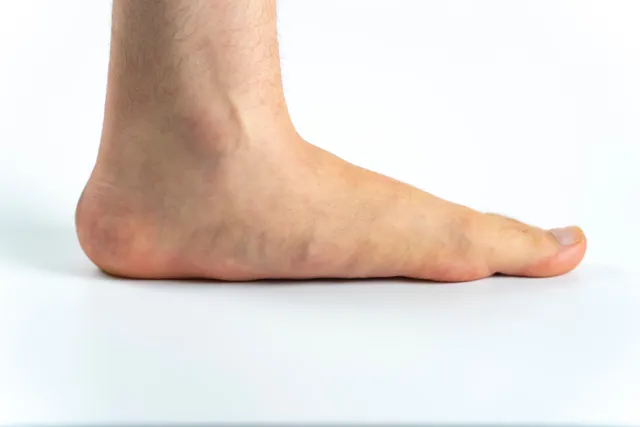
Flat feet describe arches that sit low or touch the ground while standing. Some people are born with this foot shape, and others develop it over time. Since the arch helps distribute body weight, changes in that structure may affect foot mechanics. Here are some of the main causes to help you understand why flat feet develop and when medical care may be needed:
Loose Ligaments
Ligaments hold joints in place, and loose ligaments may allow the arch to drop more than usual. This trait appears in some children and adults. When the tissues stretch too easily, the foot may flatten under body weight. Joint flexibility in other areas may also appear at the same time.
Some people have flexible flat feet, and the arch returns when they sit or rise on their toes. This pattern typically reflects ligament laxity. Since the ligaments do not hold the joints as firmly, the foot changes shape during standing and walking. Pain does not occur in every case.
Signs linked with loose ligaments may include:
- Joints that are flexible
- Feet that flatten during standing
- Arches that reappear off weight
Inherited Genetics
Genes can shape the structure of the feet, and they may influence arch height from birth. Flat feet sometimes occur in families. If a parent has low arches, a child may inherit similar bone alignment or tendon function. In many cases, this pattern appears early and stays stable through life.
A child’s arch may look absent at first, but normal development still occurs in many cases. Growth changes the foot over several years. As bones, tendons, and muscles mature at different rates, a flat appearance in early childhood does not always mean a lasting problem. A clinician tracks symptoms, gait, and flexibility during this stage.
Family history offers useful context, and it may explain why this condition appears without injury. Doctors may ask about relatives with foot pain. When several family members share low arches, inherited structure becomes a likely factor. This cause does not depend on poor habits or weak effort.
Connective Tissue Disorders
Some medical conditions affect connective tissue, and those disorders may change how the arch is supported. Connective tissue includes ligaments, tendons, and other structural fibers. Since connective tissue exists throughout the body, symptoms may include joint laxity, fatigue, or skeletal changes. A full medical evaluation is typically needed.
Doctors look at several clues, and they do not rely on the arch alone; they may review:
- Family history
- Joint mobility
- Skin features
- Gait pattern
Foot-related Conditions
Injury may weaken arch support, and tendon damage is one known cause of acquired flat feet. Adults may develop flat feet later in life. When the posterior tibial tendon loses strength, it may no longer support the arch well. Pain along the inside of the ankle is typically reported.
Get Treated for Flat Feet
Treatment depends on the cause, and proper assessment guides the next step. Some cases need only monitoring. If pain, stiffness, or walking problems develop, a podiatrist or orthopedic specialist can examine the foot and ankle. Early review helps identify inherited traits, tissue disorders, or tendon problems. If you have pain or changes in walking, schedule an appointment for a flat foot evaluation.
