


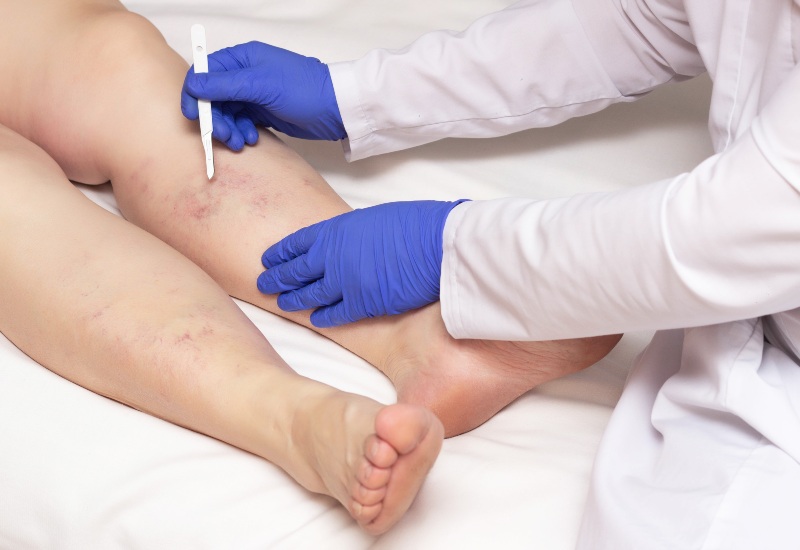
Vascular surgeons diagnose and treat problems that affect arteries, veins, and lymphatic vessels, and they manage complex circulation disorders. They treat conditions such as varicose veins, peripheral artery disease, aneurysms, and carotid artery disease. When you attend a consultation, the visit usually focuses on symptoms, risk factors, testing, and next steps. Here is more information about what to expect during that appointment:
Physical Exam
The visit typically starts with a physical exam, and the vascular surgeon looks for visible and measurable signs of vascular disease. They may check your pulse in several areas. As blood flow problems affect different parts of the body, the surgeon often examines your legs, feet, abdomen, neck, or arms. They can also look for swelling, skin color changes, wounds, or bulging veins.
In many visits, the exam includes a few basic checks:
- Pulse points
- Blood pressure
- Skin temperature
- Leg swelling
The surgeon can compare one side of your body to the other, and that comparison helps identify circulation differences. You may need to stand, sit, or lie down. If you have leg pain while walking, the surgeon may ask when it starts and where it occurs. These details help connect your symptoms to possible blood vessel problems.
Medical History Review
After the exam, the surgeon reviews your medical history, and this part of the visit often guides the rest of the consultation. They ask about past illnesses, surgeries, and current symptoms. Since vascular disease typically develops alongside other health issues, they may ask about diabetes, high blood pressure, high cholesterol, or smoking history. They can also review your family history for stroke, aneurysm, or artery disease.
Diagnostic Imaging
If the surgeon needs more detail, they can order imaging tests, and those tests show how blood moves through your vessels. Ultrasound is a standard tool. Since it does not require surgery, it is typically used early in the process. It helps identify narrowed arteries, blood clots, or venous valve problems.
Other tests may include CT angiography, MR angiography, or ankle-brachial index testing, and each one serves a different purpose. The surgeon can select testing based on your symptoms. If you have leg pain, they can look for blocked arteries. If you have swelling or vein symptoms, they may check for reflux or clotting.
Sometimes imaging happens on the same day, and in other cases it is scheduled later. Results guide the next discussion. When the surgeon reviews the images, they explain what the findings show and how those findings relate to your symptoms. That explanation helps you understand the reason for the next step.
Personalized Treatment Discussion
After the exam and testing review, the surgeon discusses treatment options, and the plan depends on your diagnosis and overall health. Some patients need monitoring. Others need medicine, lifestyle changes, office procedures, or surgery. As vascular conditions vary widely, treatment plans differ from person to person.
The discussion includes timing, risks, and follow-up needs, and you may also hear how quickly a condition needs attention. Ask direct questions. If more than one approach is possible, the surgeon may outline the pros and cons of each option.
Visit a Vascular Surgeon
A vascular surgery consultation typically includes an exam, a review of your history, imaging plans or results, and a treatment discussion. The visit is structured, and each step helps the surgeon define the problem. Since circulation disorders affect health in different ways, specific details matter during the appointment. If you have symptoms such as leg pain, swelling, nonhealing wounds, or visible vein changes, schedule a visit with a vascular surgeon for an evaluation.
