


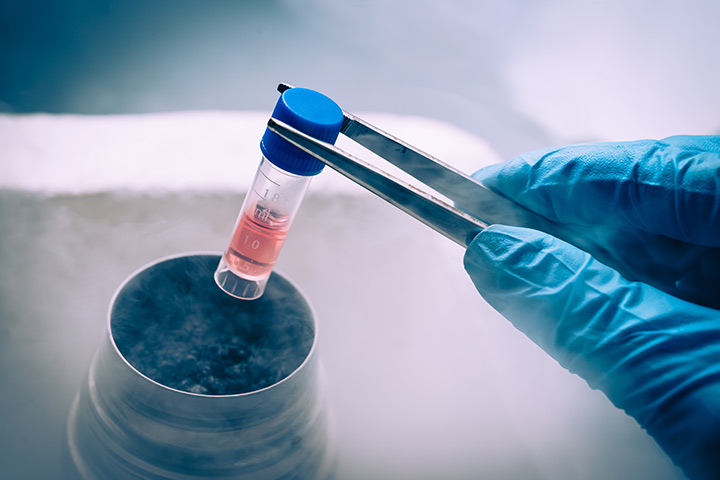
In vitro fertilization (IVF) is a multi-step fertility treatment where eggs are fertilized in a lab, and the resulting embryos are monitored for development. A frozen embryo transfer (FET) is an IVF treatment where a frozen embryo is thawed and placed into the uterus. Many patients reach this stage after completing an egg retrieval cycle, and the transfer itself is carefully timed. Understanding each phase helps patients be prepared before their appointment.
Hormone Preparation
A patient’s care team begins by placing the individual on a hormone protocol several weeks before the IVF transfer date. Estrogen is usually introduced first to thicken the uterine lining, and progesterone is added later to prepare the lining for an embryo. Monitoring appointments, which include bloodwork and ultrasounds, track how the body responds throughout this phase. These tests also track the hormone levels to determine if the body is reaching the intended level.
The timing of the progesterone start date affects when the transfer will be scheduled. A doctor reviews results and adjusts the protocol if a patient’s lining measurements are not where they need to be. Each person’s response to hormones can vary, so the preparation timeline is not always the same length. For this reason, monitoring and altering hormone medication may occur.
Transfer Procedure
The transfer procedure itself is straightforward and typically takes less than 30 minutes in the clinic. A thin, flexible tube called a catheter is used to place the embryo into the uterus through the cervix, and most patients report only mild discomfort, similar to a routine pelvic exam. No anesthesia is required, so patients can eat and drink normally beforehand. Individuals may be asked to drink water beforehand to help fill the bladder for an ultrasound.
An ultrasound is used during the procedure to guide catheter placement, and the embryo is released once positioning is confirmed. Patients often rest briefly in the clinic, and normal daily activity is usually fine afterward, unless a doctor specifies otherwise. The transfer experience is less involved than the egg retrieval stage of IVF.
Some clinics transfer a single embryo while others may transfer two, depending on the specific situation and medical history. The doctor usually explains why they recommend one or two embryos at the pre-transfer appointment. The number of embryos transferred is often based on age, embryo quality, and prior treatment history.
Recovery Period
After the transfer, a physician will often recommend continuing to take progesterone and possibly estrogen until results are confirmed. A pregnancy test, typically a blood test measuring a hormone called hCG, is scheduled about 10 to 14 days after the transfer. This waiting period allows the embryo to attach to the uterine lining, and the maintained hormones help the body stay at proper levels for the embryo to take.
If the first pregnancy test is positive, hormone supplementation generally continues for several more weeks until the pregnancy is stable enough to transition to standard prenatal care. If the result is negative, your doctor will review what happened and discuss next steps with you. Some clinics may recommend taking two pregnancy tests, a few days apart, in case the first one was faulty.
Schedule an IVF Consultation
If you are experiencing infertility, a specialist can provide a plan to help with conception. An IVF consultation is often scheduled when other less invasive treatments haven’t worked, so this method may be recommended later than others. Schedule a consultation to begin planning your IVF treatment and transfer.
