


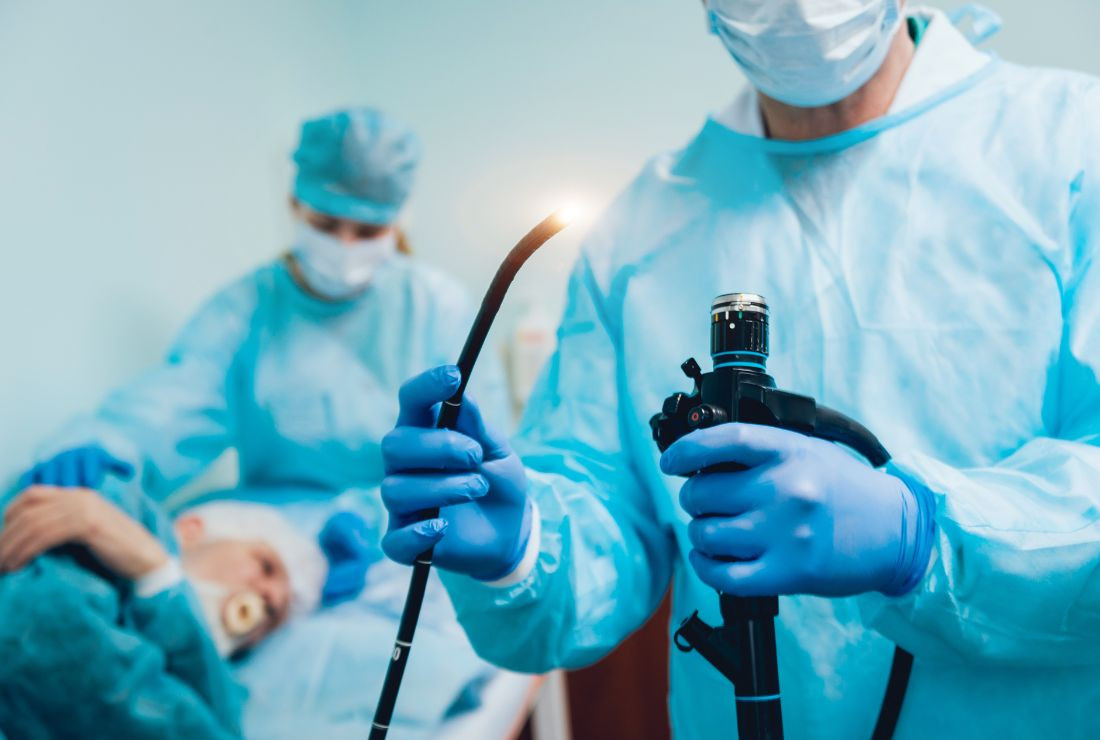
An endoscopic screening is a medical procedure used to examine parts of the digestive tract and detect potential concerns such as inflammation, ulcers, polyps, or early signs of disease. It is often recommended for individuals with ongoing digestive symptoms, certain risk factors, or a family history of gastrointestinal conditions. Here is more information on who may need endoscopic screening:
Persistent Digestive Symptoms
Medical professionals often look for specific signs that indicate underlying digestive issues. Several chronic symptoms indicate the need for a visual evaluation, and patients should undergo endoscopic screening if these issues persist. Here are some of them:
- Unexplained swallowing difficulties: A doctor will examine the esophagus if food frequently gets stuck as it goes down.
- Persistent abdominal pain: Providers use scopes to look for ulcers or inflammation when stomach pain continues unabated.
- Chronic acid reflux: Frequent heartburn requires investigation, as it can damage the esophageal lining over time.
- Unintended weight loss: Sudden drops in body weight may indicate underlying digestive dysfunction and require thorough assessment.
- Changes in bowel habits: A provider will look for blockages if you experience lasting changes in your daily routine.
Patients must carefully track their physical changes and promptly report these symptoms to a doctor so they can evaluate their condition.
Age-Appropriate Screening
Age plays a fundamental role in monitoring digestive health. As people grow older, the risk of developing gastrointestinal issues increases significantly, making regular monitoring necessary. Routine checks establish a medical baseline, and they become a key part of a general health regimen for older individuals. Medical guidelines provide specific timelines for these evaluations. Patients should follow these age-based recommendations closely, as they help providers identify problems before symptoms appear.
Higher-Risk Patients
Aside from age, specific risk factors increase the need for medical observation. A person with certain genetic or lifestyle markers has a higher chance of developing gastrointestinal diseases, and a doctor will monitor them closely. An endoscopic screening helps providers detect abnormalities in these higher-risk groups that require targeted care. Here are risk factors specialists evaluate:
- Family history: Having relatives with colon cancer or gastrointestinal diseases increases your personal risk profile.
- Personal medical history: Prior occurrences of polyps or inflammatory bowel disease necessitate regular internal examinations.
- Tobacco use: Smoking introduces harmful chemicals into the body, which affects the digestive tract negatively.
- Specific genetic syndromes: Inherited conditions often require early and frequent evaluation by a specialist.
A detailed background provides doctors with the necessary facts, and it allows them to schedule preventive procedures.
Necessary Follow-Up Care
An endoscopic screening sometimes reveals issues that require ongoing surveillance. Follow-up care is a fundamental component of effective medical treatment. If a doctor removes a polyp or finds abnormal cells, they will schedule another procedure, and this secondary check monitors the healing process. Without these secondary checks, abnormal tissue can return unnoticed, posing a significant health risk. Medical professionals establish follow-up intervals based on the initial findings. These varying schedules make sure the digestive tract remains healthy over time, and they provide necessary data.
Learn More About Endoscopic Screening
An endoscopic screening is a key diagnostic tool that medical providers use to evaluate the digestive tract. These clinical evaluations provide clear internal data. Regular monitoring helps doctors detect structural issues early, and it allows for prompt medical intervention. Contact a qualified gastroenterologist near you to schedule your appointment and learn more about endoscopic screening today.
