


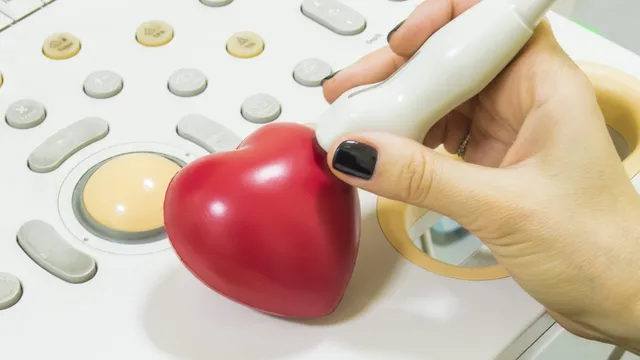
Medical professionals utilize various diagnostic tools to evaluate the body’s internal systems. When a patient presents with symptoms like chest pain, unexplained fatigue, or shortness of breath, a physician might recommend specific tests to assess the cardiovascular system. Among these diagnostic methods is the echocardiogram.
What Is an Echocardiogram?
An echocardiogram utilizes high-frequency sound waves, or ultrasound technology, to create a moving picture of the heart. During the procedure, a device sends sound waves into the chest. These sound waves bounce off the various parts of the heart, producing echoes. A computer then interprets these echoes and translates them into detailed video images on a monitor. This allows the cardiologist to observe the heart in real time. Medical providers use these visual records to evaluate the overall pumping strength of the heart and to look for any structural abnormalities that might require medical intervention.
What Can It Detect?
Cardiologists rely on the visual data generated by an echocardiogram to identify a wide range of cardiovascular conditions. By observing the heart as it functions, a physician can spot irregularities that might explain a patient’s physical symptoms. The test may reveal signs of congestive heart failure by showing how effectively the heart pumps blood with each beat.
It also highlights problems with the heart valves, such as narrowing or leaking, which fall under the category of valvular heart disease. The images can show areas of the heart muscle that are thickened, enlarged, or abnormally stiff, pointing to a condition known as cardiomyopathy. A physician may also detect evidence of a previous silent heart attack. The test also assists in diagnosing coronary artery disease and irregular heartbeats known as arrhythmias.
What Does the Process Involve?
The standard approach is a transthoracic echocardiogram. During this brief procedure, an ultrasound technician places small adhesive electrodes on the chest to monitor the patient’s heart rate and rhythm. The technician then moves a handheld transducer firmly across the chest and upper abdomen. This device transmits the sound waves through the skin and records the echoes that return. The patient simply lies still on an examination table while the computer processes the data into images.
A physician may require a more detailed view of the heart than a standard test can provide. In these cases, they might recommend a transesophageal echocardiogram. This method involves passing a specialized, much smaller transducer down the patient’s throat and into the esophagus. The esophagus sits directly behind the heart, so this positioning bypasses the skin, muscle, and bone of the chest wall, resulting in much clearer images.
Seek Professional Heart Care
Maintaining a healthy cardiovascular system requires proactive attention and regular medical evaluations. While an echocardiogram serves as a highly effective diagnostic tool, it is just one component of comprehensive heart care. Catching cardiovascular issues early often leads to more effective management strategies and facilitates better long-term outcomes. Medical guidelines recommend establishing a baseline for your heart health, particularly if you have a family history of cardiac disease. By working closely with a qualified cardiologist, patients can receive tailored advice regarding lifestyle modifications, necessary screenings, and individualized treatment plans.
