


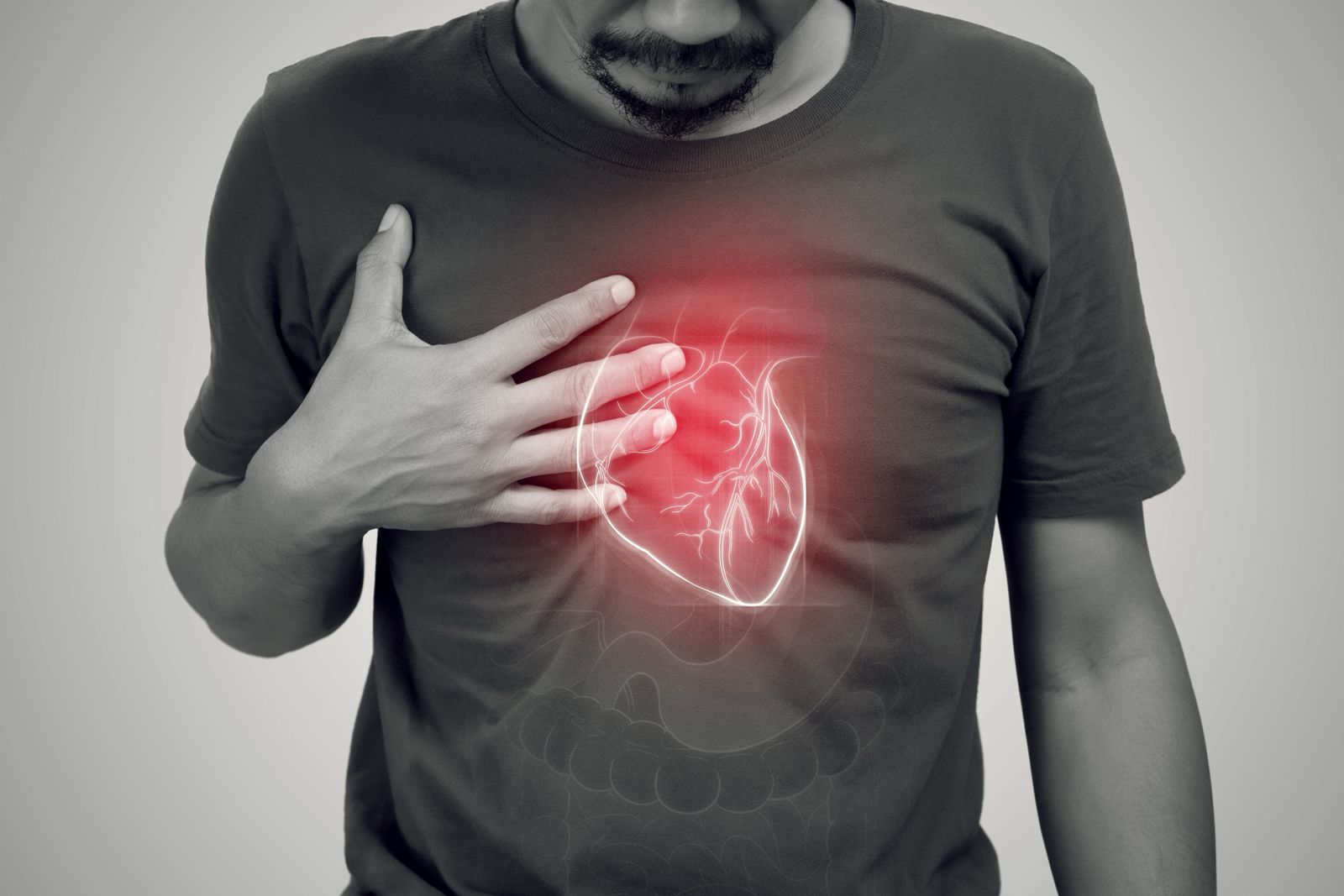
Heart disease remains one of the most serious health concerns worldwide. Despite medical advancements, many people still fail to recognize its early warning signs. The danger lies in the fact that these symptoms often appear mild or unrelated at first. As a result, individuals ignore them until the condition becomes severe.
Understanding the early signs of heart disease is crucial. It allows you to seek timely medical care, reduce complications, and potentially save your life. This comprehensive guide explains the symptoms, causes, risk factors, and prevention strategies you need to know.
What is Heart Disease?
Heart disease is a broad term used to describe various conditions that affect the heart. These include coronary artery disease, heart rhythm disorders (arrhythmias), heart valve problems, and heart failure.
Most heart conditions develop gradually. Over time, plaque builds up in the arteries, reducing blood flow to the heart. This can eventually lead to heart attacks or other serious complications.
Why Early Detection is Important
Early detection of heart disease significantly increases the chances of successful treatment. When diagnosed in the initial stages, lifestyle changes and medications can effectively manage the condition.
Ignoring symptoms, however, can lead to:
- Heart attacks
- Stroke
- Chronic heart failure
- Reduced quality of life
Common Early Signs of Heart Disease
1. Chest Pain or Discomfort
Chest pain is the most well-known symptom of heart disease. It may feel like:
- Pressure or tightness
- Burning sensation
- A squeezing feeling
This discomfort may come and go, especially during physical activity or emotional stress.
2. Shortness of Breath
Shortness of breath can occur even without exertion. It indicates that the heart is struggling to pump blood efficiently, causing fluid to build up in the lungs.
3. Unusual Fatigue
Feeling extremely tired after minimal effort is a warning sign. This is particularly common in women and is often ignored.
4. Irregular Heartbeat (Arrhythmia)
An irregular heartbeat may feel like fluttering, pounding, or skipping beats. Occasional irregularity is normal, but frequent episodes require medical attention.
5. Swelling in Lower Body
Swelling in the legs, ankles, or feet occurs due to fluid retention. This is often a sign of heart failure or poor circulation.
6. Dizziness or Fainting
Reduced blood flow to the brain can cause dizziness or fainting. This can be a serious symptom that requires immediate evaluation.
7. Pain in Other Areas
Heart-related pain is not always limited to the chest. It may spread to:
- Arms
- Neck
- Jaw
- Back
Less Common Symptoms
Some people experience unusual symptoms such as:
- Nausea
- Cold sweats
- Indigestion-like discomfort
- Anxiety
These are more common in women and older adults.
Risk Factors for Heart Disease
Understanding risk factors helps you take preventive steps.
Modifiable Risk Factors
- Smoking
- Poor diet
- Lack of exercise
- Obesity
- High blood pressure
- High cholesterol
Non-Modifiable Risk Factors
- Age
- Family history
- Genetic predisposition
When Should You Seek Medical Help?
You should immediately consult a doctor if you experience:
- Persistent chest pain
- Severe shortness of breath
- Sudden dizziness
- Pain radiating to arms or jaw
Early intervention can prevent life-threatening complications.
How Heart Disease is Diagnosed
Doctors may use several tests, including:
- Electrocardiogram (ECG)
- Blood tests
- Stress tests
- Echocardiogram
- Angiography
These tests help identify the severity and type of heart condition.
Prevention Tips for a Healthy Heart
1. Eat a Balanced Diet
Include fruits, vegetables, lean proteins, and whole grains. Limit salt, sugar, and unhealthy fats.
2. Exercise Regularly
Aim for at least 30 minutes of moderate exercise daily. Activities like walking, jogging, or cycling are beneficial.
3. Quit Smoking
Smoking damages blood vessels and increases heart disease risk significantly.
4. Manage Stress
Chronic stress can affect heart health. Practice meditation, yoga, or deep breathing exercises.
5. Monitor Your Health
Regular checkups help detect issues early. Keep track of blood pressure, cholesterol, and blood sugar levels.
Lifestyle Changes That Make a Difference
Small changes can have a big impact:
- Take the stairs instead of elevators
- Reduce processed food intake
- Sleep 7–8 hours daily
- Stay hydrated
Final Thoughts
Heart disease often develops silently, making early detection crucial. Paying attention to your body and recognizing warning signs can save your life.
Adopting a healthy lifestyle and seeking medical advice when needed can significantly reduce your risk.
FAQs
1. Can heart disease be reversed?
In some cases, lifestyle changes can slow or even reverse certain conditions.
2. Are heart symptoms different in women?
Yes, women often experience less typical symptoms like fatigue and nausea.
3. How often should I get a heart checkup?
At least once a year, especially if you have risk factors.
4. Is chest pain always related to the heart?
No, but it should always be evaluated by a doctor.
5. Can stress cause heart disease?
Yes, chronic stress increases the risk significantly.
